
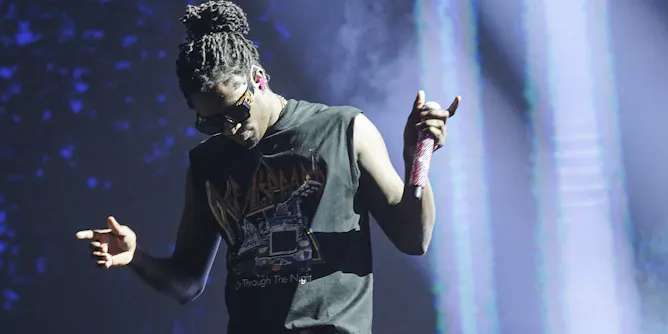
Since rap music emerged in mainstream culture in the late 1980s, conservatives have derided its lyrics and imagery as violent. But hip-hop artists argue those images reflect urban realities.
Articles on Free speech
Displaying 141 - 160 of 393 articles
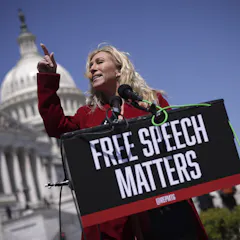
The 14th Amendment banned Confederates from public office. But the rebels later received an amnesty that now might save GOP members from prosecution for their roles in the Jan. 6 insurrection.

Elon Musk has an idea of what ails Twitter and what needs to be done to fix it. The problem is his assumptions are wrong.
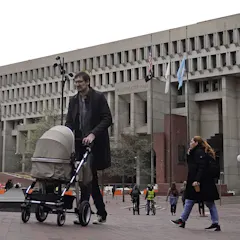
The Supreme Court ruled May 2, 2022, in Shurtleff v. Boston, a free speech case.
The digital public sphere is constantly evolving, so we need a regulatory framework that helps to structure public discussion, and in turn guide our own public contributions as citizens.
The age of the free speech free-for-all is over – but public online spaces are possible.
We may be besieged by private companies in online spaces, but only up to a point.

Twitter, more than other social media platforms, fosters real-time discussion about events as they unfold. That could change now that Musk has gained control of the company.
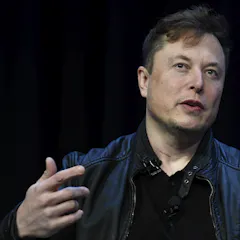
Elon Musk’s attempt to take over Twitter uses free speech as the motivation, but research shows that unregulated online spaces result in increased harassment for marginalized users.
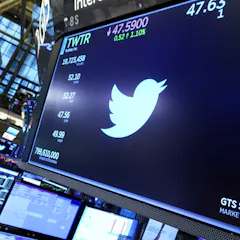
Twitter, more than other social media platforms, fosters real-time discussion about events as they unfold. That could change if Musk gains control of the company.

Public companies have many governance safeguards that private ones lack, such as independent oversight and transparency.

When speakers seek to responsibly disseminate knowledge they must be aware of their audience and how what they are saying may resonate.
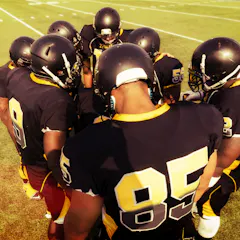
The Supreme Court will hear oral arguments in Kennedy v. Bremerton School District, a case stemming from a football coach’s prayers on the field, on April 25, 2022.
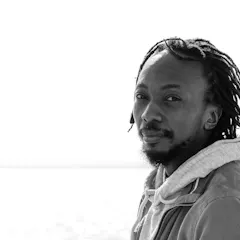
Synik’s new album continues to shape identity and consciousness in a country with limited freedom of speech.
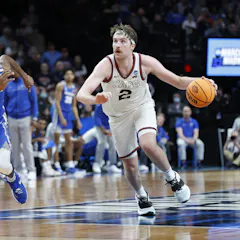
States and universities have passed many rules governing what types of name, image and likeness deals athletes can sign. Most are innocuous, but three may violate their First Amendment rights.

The best of the last week’s coverage of the war in Ukraine.
Criminal libel and seditious libel laws have existed under both military and constitutional rule in Ghana.
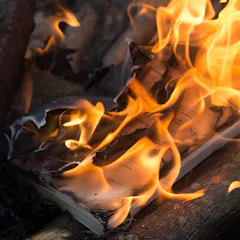
Struggles to uphold free speech throughout the centuries teach us that we should never take it for granted.

Legitimate political discourse is based on persuasion, not coercion or violence. Two scholars of communication and democracy explain the difference.

Stewart Rhodes of the Oath Keepers, has been charged with seditious conspiracy over the attempted insurrection. A constitutional law scholar outlines why that may set a bad precedent.
Top contributors
-

Senior Research Fellow, Centre for Advancing Journalism, The University of Melbourne
-
Deputy Executive Dean and Associate Dean (Academic), Faculty of Humanities, Arts and Social Sciences, The University of Queensland
-
Deputy Director, Institute for Ethics, Governance & Law, Griffith University
-
Professor Emeritus of Communication and Rhetorical Studies, Syracuse University
-
Associate Professor of Philosophy and Law, Wayne State University; Institute for Humane Studies
-
Professor of Law and Humanities, Queen Mary University of London
-
Brechner Eminent Scholar in Mass Communication, University of Florida
-
Professorial Fellow, University of Canberra
-
Professor of Law; Kim Santow Chair of Law and Social Justice, University of Sydney
-
Programmes Manager and Research Fellow, the Bonavero Institute of Human Rights, Faculty of Law, University of Oxford
-
Professor of Law, University of Dayton
-
Stephanie A. (Sam) Martin is a Friend of The Conversation.
Frank and Bethine Church Endowed Chair of Public Affairs, Boise State University
-
Senior Lecturer in Political Theory and Philosophy, Queen's University Belfast
-
Emeritus Professor of Sociology, University of Technology Sydney
-
University Research Professor of Education, University of Kentucky