
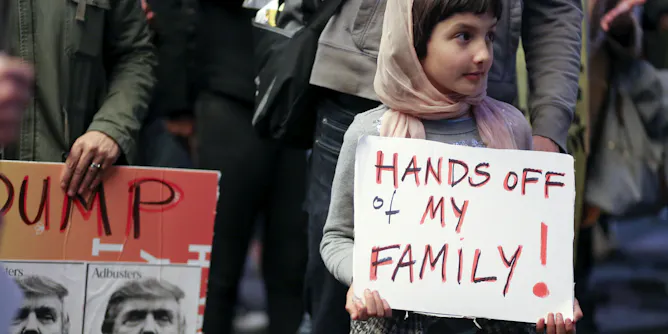
Children end up caught in the political crossfire.
Articles on Franklin Delano Roosevelt
Displaying 81 - 97 of 97 articles
The Japanese attack on a US naval base on Dec. 7, 1941 set in motion a series of events that transformed the United States into a global superpower. Will Donald Trump bring that era to an end?
On the 20th anniversary of Bill Clinton’s promise to “end welfare as we know it,” a social work scholar asks why child poverty is still such a problem in the U.S. and what race has to do with it.
Hillary Clinton’s candidacy has revived an old controversy in a new way: presidential third terms. It is, as one historian explains, a controversy as old as the nation itself.
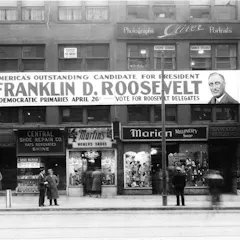
Lucky Luciano, Al Capone and FDR walk into a Democratic convention…
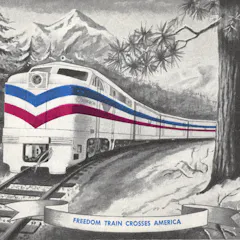
Previous efforts to cement national cohesion offer a model but also, says a historian, a warning.
For many contemporary observers, the Spanish Civil War was seen as very much of a piece with the war against Hitler and Mussolini. But then things changed. Why?
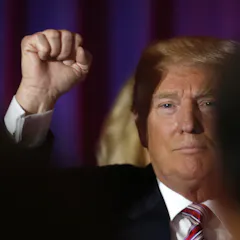
Seventy-five years after it was discredited by an FDR victory and U.S. entry into World War II, the GOP’s candidate revives a controversial slogan.
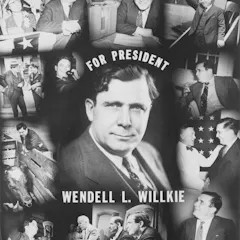
He was a former Democrat, a business tycoon and a media star. The story of Wendell Willkie, the Republicans’ surprise candidate in the 1940 election and how he disrupted the GOP.
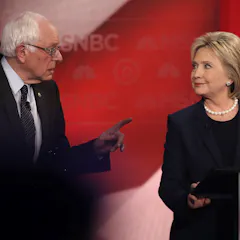
When Clinton and Sanders first came of age politically, neither was a natural fit for the Democrats. How they and the party have changed helps explain their philosophical divide today.
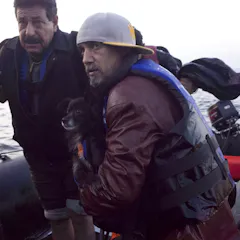
Afghan, Syrian and Eritrean refugees keep arriving on Europe’s shores, reputedly at an increasing rate. They attempt to traverse the Mediterranean by land and sea, presumably hastened by Putin’s bombing…
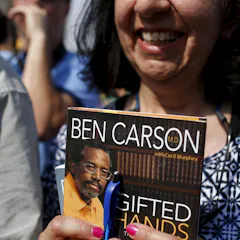
Candidates beware! History suggests that book writing presidents are not necessarily the best presidents.
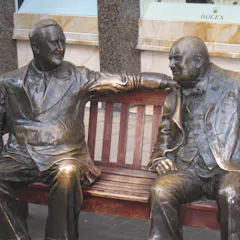
Every culture needs heroes. So when our political system becomes incapable of giving us any, where does that leave us?
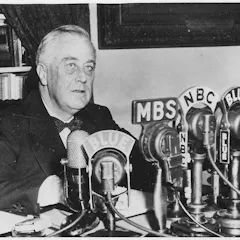
As Jeb Bush, the 11th declared Republican candidate enters the race for president, a look back at a secretive survey in 1935 that foreshadowed today’s ubiquitous horserace polls.
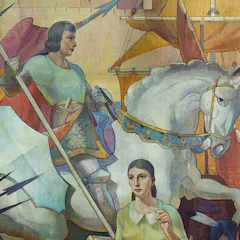
Why do we need the humanities? A scholar of arts revisits a moment in the 1930s to emphasize the importance of creative work and its value in our education.
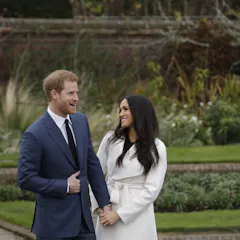
It might seem strange, especially given the nation’s decision to sever ties with George III in 1776.
Most broadcasters – especially those who work at the BBC – must produce their programmes to conform to strict guidelines. They must be within five seconds of the required length, they must comply with…
Top contributors
-

Professor of Sociology, University of California, Irvine
-
Adjunct Professor of History and Affiliated Faculty, USC Shinso Ito Center for Japanese Religions and Cultures, USC Dornsife College of Letters, Arts and Sciences
-
Professor of History and Law Faculty, The Ohio State University
-
Professor of Communication and Journalism, University of Maine
-
Professor of History & American Culture Studies, Washington University in St. Louis
-
Associate Professor of Political Science, Westminster College
-
Assistant Professor of Media, Communications and Journalism, California State University, Fresno
-
Professor of Philosophy, Public Policy and Governance, University of Washington
-
Professor of History, Penn State
-
Professor of International Politics, University of Manchester
-
Associate Professor of 20th Century American History, Binghamton University, State University of New York
-
Professor of Global Politics and Anti-Slavery, University of Nottingham
-
Reader in US History, Northumbria University, Newcastle
-
Professor of History, McGill University
-
Dean, USC Dornsife College of Letters, Arts and Sciences