
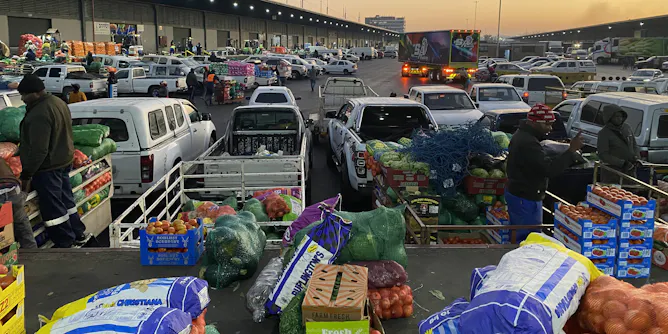
The Johannesburg Market has many challenges, including poor governance and infrastructure decay. Its story underscores the need to protect such markets nationwide.
Articles on Food security
Displaying 41 - 60 of 550 articles

It’s a missed opportunity to think differently about how we can ensure all Australians have access to enough healthy and sustainably produced food.
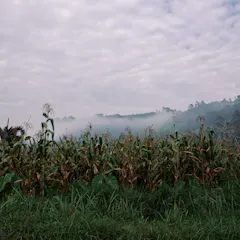
The optimal and safe use of agricultural inputs to increase food production is key to achieving global food security.
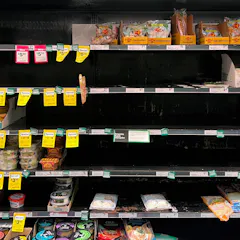
An analysis of 420 million supermarket transactions shows that understanding what people buy – not just where they live – is key to creating healthier communities.

Without market data, countries can’t address hunger and food insecurity.
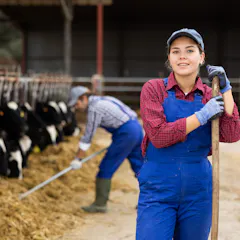
Modelling shows that we will need to change not just how we farm, but what farming produces and what we eat.

Good data is essential for mapping trade networks
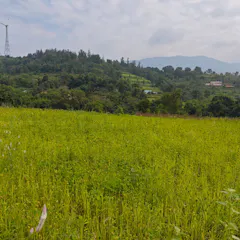
Defending land and seed sovereignty could be a clear form of reparation for India’s Indigenous farmers.
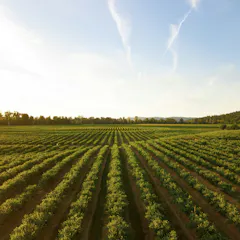
A government inquiry has made 35 recommendations to improve Australia’s food security, but there are some key gaps.
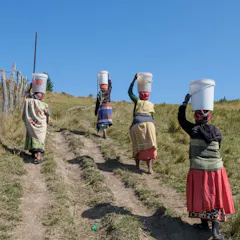
Water interruptions, absence of toilets and a lack of clean energy can reduce food security.
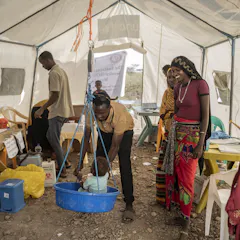
There are lessons for other African countries in how Ethiopia built its health emergency response teams.

Starvation causes both physiological and psychological stress.
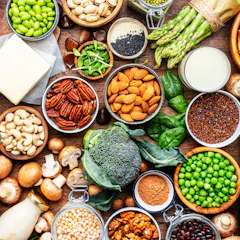
By choosing to transform how we grow food and what we eat – rather than letting climate change dictate the pace of change – we have so much to gain.

A research team at Simon Fraser University has developed an AI-powered robot that can autonomously water plants and monitor plant health.
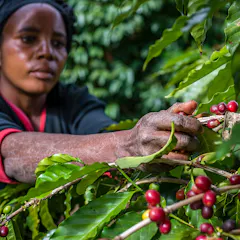
Land systems shape how foreign investment happens and what impact it has.

Indoor farming helps northern Manitoba communities access fresh, healthy food and address rising rates of diabetes, cardiovascular disease and hypertension.
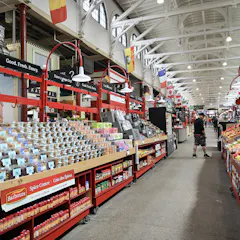
Parents and teachers in a southern Ontario survey conducted in the city of Hamilton and Peel Region spoke about their desires for an equitable and inclusive school food program.
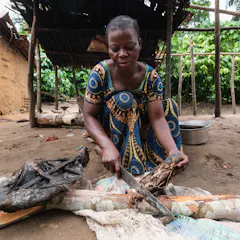
As many as three-quarters of emerging infectious diseases originate from wildlife.

We considered many different explanations for why some dialogue processes were more successful than others.
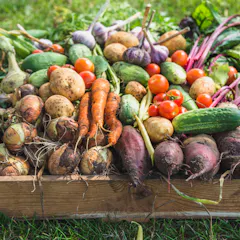
Food co-ops are local groups where people join together to buy food in bulk, usually straight from farmers or wholesalers.
Top contributors
-

Senior Fellow, Department of Agricultural Economics, Stellenbosch University
-
Associate Professor in Food Systems, The University of Melbourne
-
Research Fellow, Tegemeo Institute, Egerton University
-
Associate Professor, Department of Entomology; African-American Studies, University of Illinois Urbana-Champaign
-
PhD, Political Economy, Macquarie University
-
Professor of Food Policy, City St George's, University of London
-
Researcher in sustainable food systems, The University of Melbourne
-
Director of the Arrell Food Institute and Professor in the Dept. of Geography, Environment and Geomatics, University of Guelph
-
Network and Research Manager: ARUA – UKRI GCRF FSNet Africa, University of Pretoria
-
Professor in Food Security; Head of the Department of Agricultural Economics, Extension and Rural Development, University of Pretoria
-
Emeritus Fellow in Plant Biochemistry, University of Westminster
-
Professor of Social Development Studies, University of Johannesburg
-
Food Systems Research and Partnerships, The University of Melbourne
-
Adjunct Professor, Curtin Business School, Curtin University
-
Climate Scientist and Researcher, University of Cape Town