
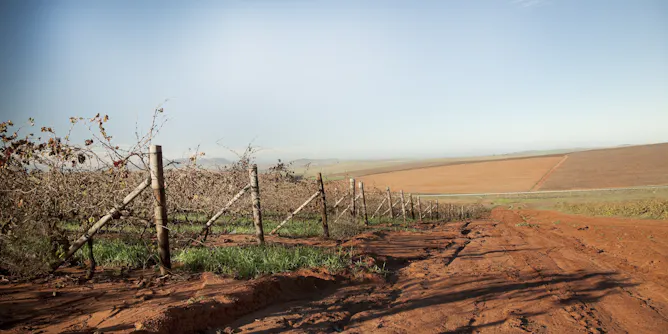
Not all droughts are the same and South Africa needs to have a targeted approach to each type.
Articles on Food production
Displaying 61 - 80 of 104 articles
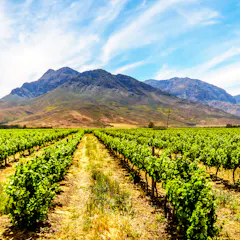
The impact of climate change on agriculture and food production is clear: the sector will suffer. Here’s what needs to be done.
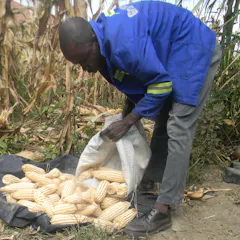
Zimbabwe’s food insecurity is not just about food production, but access too. It is affected by, among others, the value of assets when sold and social and cultural dimensions that go into exchange.
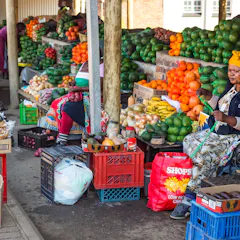
South Africa’s recently introduced carbon tax may lead to financial losses in the short term, but it’s necessary and will be beneficial in the long term.
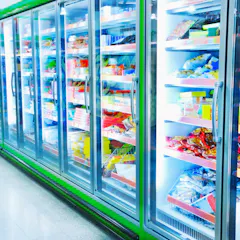
Processed foods can be nutritious as well as economical and convenient. So let’s stop demonizing processed foods, and ease up on those who turn to them for convenience and price.

Combining and fermenting readily available indigenous African crops can help counter malnutrition on the continent.
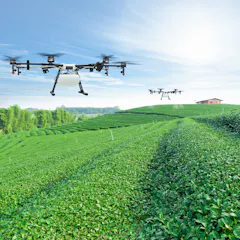
With each industrial revolution, food production and distribution has been revolutionized. With the current Fourth Industrial Revolution, can we address inequalities in food distribution?
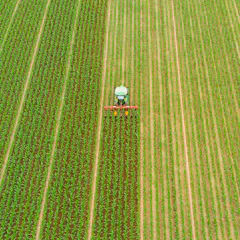
Governments need to think about global ways agricultural policies may affect the stability of the food system as a whole, beyond locally focused efforts to increase resilience in production.

The global population will top 9.5 billion by 2050 – but cities could play a major role in making sure everyone has enough to eat.
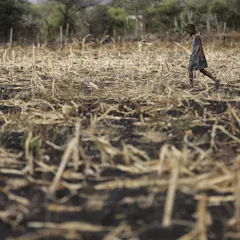
The availability of data and evidence in the agricultural sector is critical for decision making

Ethiopia’s teff plant is gluten-free and demand is growing. The country needs to upgrade its harvesting to reap the rewards.
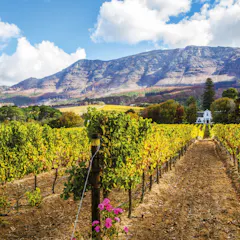
If the pattern of drought continues in South Africa it’s likely to affect the country’s financial standing too.
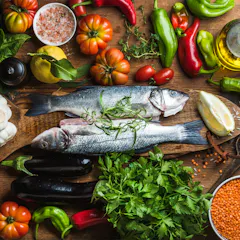
A Lancet commission has come up with a new sustainable diet that’s supposed to be the way forward.
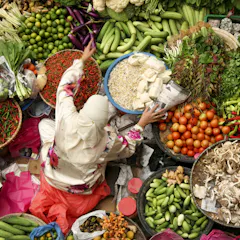
We need to change how we produce, ship, eat and waste food to improve our health and that of the planet.
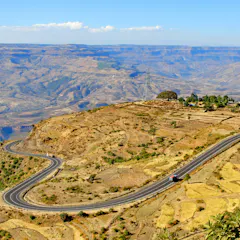
Smart roads in Africa could help reduce the impact of flooding and other disasters that affect rural communities.
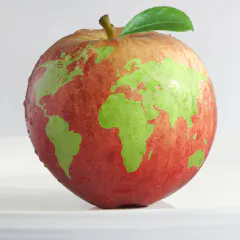
New research finds a sustainable food system is possible but will require huge global changes.
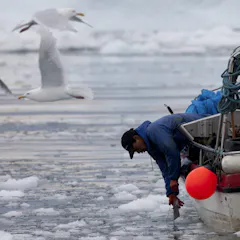
A recent summit in Ottawa on what’s known as agroecology has shown that more equitable and sustainable methods of producing food are not only possible, they’re beginning to spread around the world.
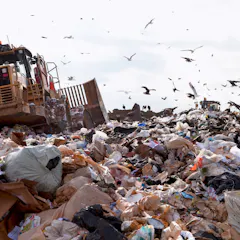
Food is not waste until it’s wasted.
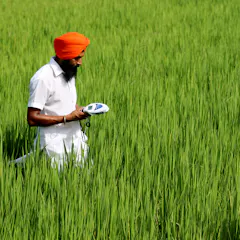
Food systems must be transformed to produce more nutritious food with a lower environmental footprint.
The University of Melbourne is the first institution in Australia to have its nitrogen footprint calculated – it’s 139 tonnes per year, mainly because of food production, energy use and transport.
Top contributors
-

Director of the Arrell Food Institute and Professor in the Dept. of Geography, Environment and Geomatics, University of Guelph
-
Research Director, Institute for Sustainable Futures, University of Technology Sydney
-
Senior Analyst, University of Pretoria
-
Director, Food and Agriculture Institute, University of The Fraser Valley
-
Emeritus Fellow in Plant Biochemistry, University of Westminster
-
Executive Director, Swette Center for Sustainable Food Systems, Arizona State University
-
Chief Research Scientist, Food Systems and the Environment, CSIRO
-
PhD Candidate, School of Social Sciences, University of Tasmania, and Senior Research Consultant, Institute for Sustainable Futures, University of Technology Sydney
-
Associate Professor in Food Systems, The University of Melbourne
-
Senior Researcher on Environment and Health, University of Oxford
-
Research Fellow, Tegemeo Institute, Egerton University
-
Director, Agri-Food Analytics Lab, Professor in Food Distribution and Policy, Dalhousie University
-
Associate Professor, Institute for Sustainable Futures, University of Technology Sydney
-
Professor of Food Policy, City St George's, University of London
-
Professor of Agricultural Development, The University of Queensland