
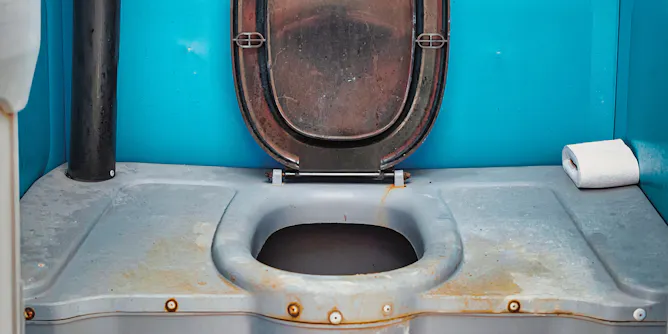
A new survey also found women were more likely than men to wash their hands before touching food – and after using the toilet.
Articles on Food hygiene
Displaying all articles

You’ll never look at bagged lettuce the same way again.

A microbiologist on the deadly germs lurking in your kitchen and why you need to wash tea towels and dishcloths more often.
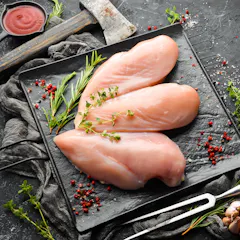
Washing raw chicken can splash bacteria around the kitchen. It’s best just to properly cook the chicken without washing it. So why do people still wash? Time to bust some chicken-washing myths.
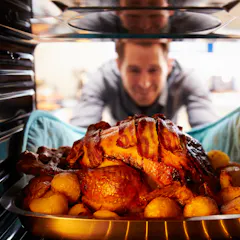
Follow these food safety tips to keep everyone happy and healthy this festive season.

Yes, bacteria can accumulate on tea towels. But most of the bacteria the researchers found are not responsible for food poisoning or other gastrointestinal symptoms.

As incidents of food-borne illnesses increase, virtual reality could help better train food hygiene

Tracking contamination routes showed where the trouble can start.
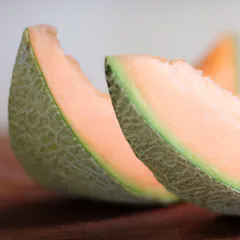
Two people have died after eating rockmelon contaminated with listeria. A total of ten cases have been confirmed in NSW, Queensland and Victoria between Jan 17 and Feb 9, and more are expected.

Why kitchen hygiene is just as important for athletes as what is on their plate.
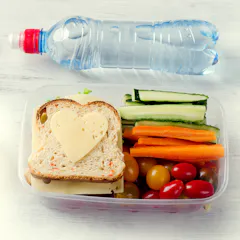
The good news is that the bacteria that cause food to spoil are quite different to the bacteria that typically cause food poisoning, and generally don’t make you sick.
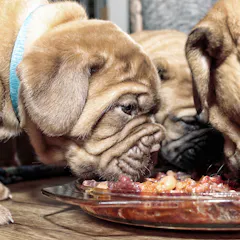
A new study raises concerns about raw meat based dog food, but not for the reasons you think.
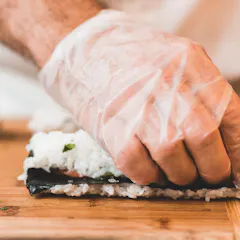
No, it’s extremely rare to contract a parasitic infection from eating sushi or sashimi in Australia.
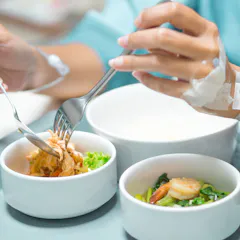
Already suffering debilitating side effects, chemotherapy patients could be made seriously ill by the food they eat.

Bacteria are everywhere, even on your drink garnishes and ice. While most are not going to harm you, some can make you very sick. Here are some things to consider at public drink stations.

Slaughterhouses are an essential step in meat production. Hygiene standards need to be maintained to prevent the spread of diseases.
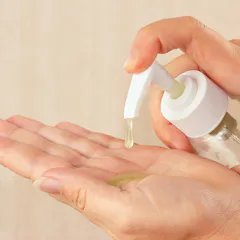
They’re everywhere in hospitals, travellers’ backpacks and the aisles of pharmacies in winter, but do we really need to use alcohol-based hand sanitisers?
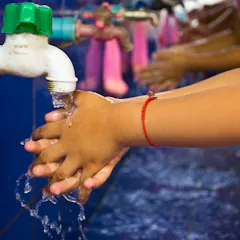
Children don’t learn much about how illnesses spread if they are just taught a list of dos and don’ts. They need to know why an action is useful.

What are some of those food safety myths we’ve long come to believe that aren’t actually true?
Top contributors
-

Associate Professor and Clinical Academic Gastroenterologist, Western Sydney University
-
Research Fellow, ZERO2FIVE Food Industry Centre, Cardiff Metropolitan University
-
Senior Lecturer in Clinical Microbiology, University of Leicester
-
Professor of Psychology, Rutgers University - Newark
-
Professor of Infectious Diseases, Monash University
-
Food Technologist, Cardiff Metropolitan University
-
Food microbiologist and Food safety specialist, CSIRO
-
Professor of Epidemiology Healthcare Infection and Infectious Diseases Control, UNSW
-
Veterinary epidemiologist, International Livestock Research Institute
-
Associate Professor in Law, Faculty of Social Sciences, University of Nottingham
-
Professor of Microbiology, Swinburne University of Technology
-
Food Technologist, Cardiff Metropolitan University
-
Professor of Food Science, Clemson University
-
Senior Research Fellow, School of Medicine, The University of Western Australia
-
Senior Lecturer in Animal Science, Nottingham Trent University