

Not all flowers smell good, to people at least, but their scents are a way to attract pollinators.
Articles on Flies
Displaying 21 - 40 of 45 articles

Entomologists wonder if the insects currently pollinating farmed cacao are the right ones for the task.
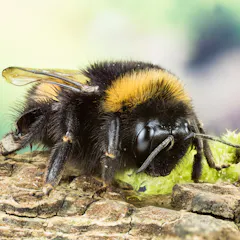
Chemicals banned in the EU were recently granted an exemption for limited use in the UK.

Summer can bring out the bugs. Here’s what to do if you miss a spot when applying insect repellent.

Flies have long held symbolic meaning in the history of art. In portraits made in Renaissance Europe, the presence of a fly symbolizes the transience of human life.
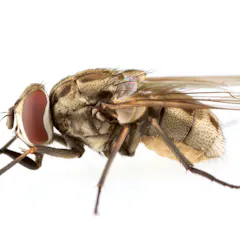
Savvy female stable flies prefer to lay their eggs on donkey and sheep dung. Knowing where they choose to do this will help us manage disease.
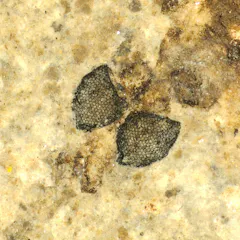
Fossil flies from what is now Denmark reveal some striking similarities between insect eyes 54 million years ago, and our own vision today.

How the zebra got its stripes is not only a just-so story, but an object of scientific inquiry. New research suggests that stripes help zebras evade biting flies and the deadly diseases they carry.
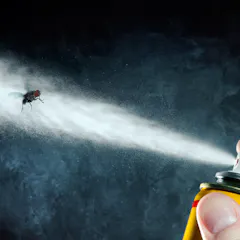
It’s easy to whip out the fly spray, but our fondness for pesticides can bring knock-on effects such as increased resistance, and harming beneficial insects in and around our homes.
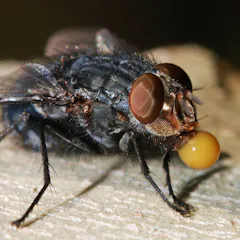
Bush flies and blowflies all vomit on their food, but other flies are a little more polite at the dinner table and don’t vomit at all.

Footballers came under attack from a swarm of flies on the Volgograd pitch. But there’s more to midges and gnats than meets the eye.
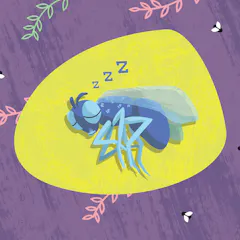
Flies need good grip because they often sleep upside down.
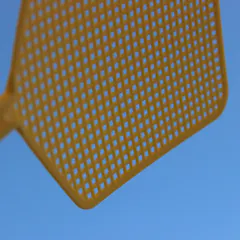
Why are flies so easily able to evade our attempts to swat them?
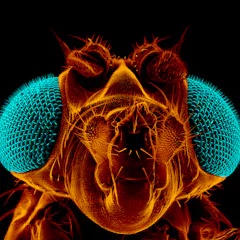
How do you rid your kitchen of pesky
fruit flies? A scientist who researches them explains.

While the Bureau of Meteorology is predicting an increase in the average temperature this summer, entomologists are forecasting an increase in insect activity.
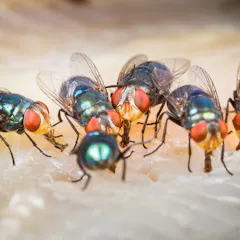
A good summer picnic, bushwalk or barbecue with friends and family can all be ruined by those annoying flies that never leave you alone. So what are they after?
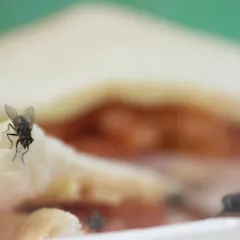
It only takes a single fly to alight on your picnic lunch to make you uneasy about what germs may have landed with it. But what harm can come from a fly landing on your food? Should you throw it away?

Without insects the food chain would diminish and we would have very little fruit and vegetables to eat.
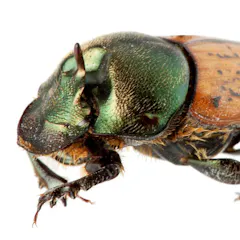
The average cow drops between 10 and 12 dung pads (also known as “pats”) every day and just one of those cow pads can produce up to 3,000 flies in a fortnight. With more than 28 million cattle in Australia…
The evolutionary driver for zebras’ black-and-white stripes has been identified as biting flies, including horseflies and…
Top contributors
-

Clinical Associate Professor, School of Medical Science & Sydney Infectious Diseases Institute; Principal Hospital Scientist, University of Sydney
-
Adjunct associate, CSIRO
-
Associate Professor in Entomology, University of Sydney
-
Director of the Australian National Insect Collection, CSIRO
-
Insect Migration Researcher, College of Life and Environmental Science, University of Exeter
-
Postdoctoral Research Associate, Florida International University
-
Professor and Department Head, Entomology and Plant Pathology, University of Tennessee
-
Professor of Biological Sciences, Florida International University
-
Professor, School of BioSciences and Bio21 Institute, The University of Melbourne
-
Executive Officer, National Collections & Marine Infrastructure, CSIRO
-
Honorary Fellow, Biosecurity Flagship, CSIRO
-
Senior Lecturer in Insect Diversity, Stellenbosch University
-
Vice Chancellor's Research Fellow in Ecology and Entomology, Edith Cowan University
-
Lecturer in Zoology, Aberystwyth University
-
Professor of Bioscience Education, University of Hull