

Many insects in Africa are likely to face dangerous levels of heat stress, with serious consequences for ecosystems.
Articles on Beetles
Displaying 1 - 20 of 51 articles
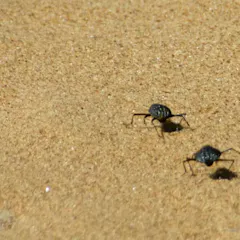
A Namibian desert beetle cools down by running in the sun.
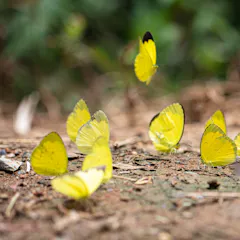
The research suggests the life-support system underpinning the tropics is at serious risk in a warmer world.

Varroa mites and small hive beetles are threatening Australian honey producers. Here’s how backyard beekeepers, and everyday honey lovers, can help.
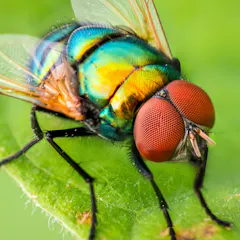
The number of insect species is mind-boggling – and they are a critical part of the environment.
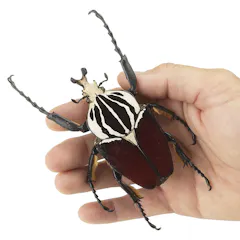
Two Goliath beetle species are in grave danger because cocoa farming has wiped out their forests and they’re being sold on the international dry insect market.
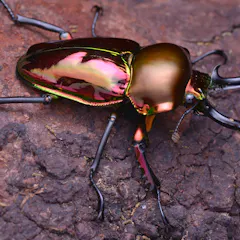
Summer is a great time to go beetle-watching in Australia. By protecting these dazzling insects, we can ensure they survive for future generations to enjoy.
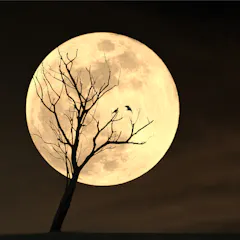
New technology is allowing scientists to discover unexpected behaviour linked to the Moon’s cycle.

You’ll never look at spiders the same way.
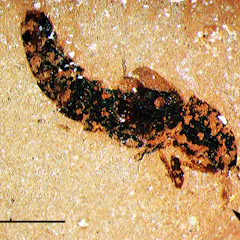
This is one of the first fossil rove beetles ever discovered on the continent and in the southern hemisphere more broadly.

It’s a horror story unfolding in the west that could sweep across the country. Beware the shot-hole borer, an exotic pest that threatens our tree crops, plantations, urban forests and wild places.
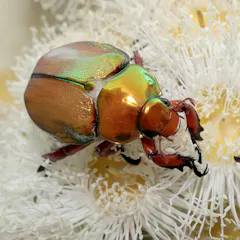
Each year insect scientists like us field questions from the press and public about Christmas beetle populations: where have they gone?
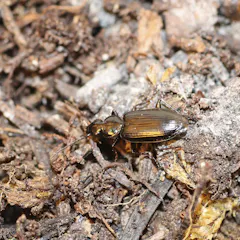
If the spring fire season in Canada is any indication, fire-loving pyrophilic insects will continue to thrive well into summer.
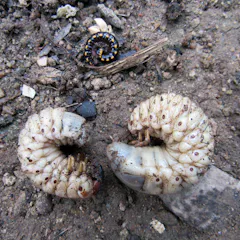
Many gardeners worry these large larvae might damage plants. But before you squish them, read this.
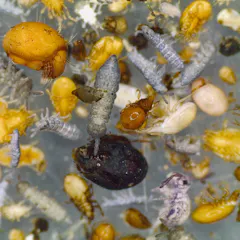
New research shows rewilding with invertebrates – insects, worms, spiders and the like – can go a long way in bringing our degraded landscapes back to life.
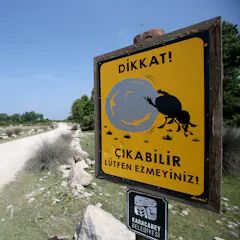
Everyone is feeling the heat these days – even species that develop underground.

Small hive beetles are the only species known to trick worker bees into feeding them essential food for the bee colony’s own survival and reproduction.
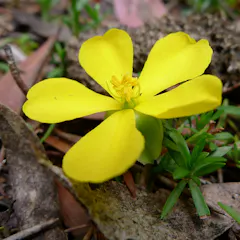
One of Australia’s largest groups of flower species is named after a wealthy British slave-trader. And Nazi memorabilia collectors have almost sent “Hitler’s beetle” extinct. It’s time for a change.
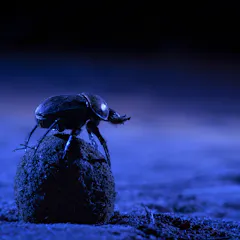
On starlit nights, the Milky Way acts as these beetles’ primary reference. But light pollution gets in the way.
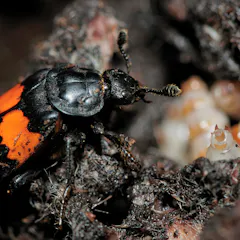
Carrion beetles help stabilise the biology of the soil they live in.
Top contributors
-

Associate Professor in Entomology, University of Sydney
-
Professor of Zoology and Entomology, University of the Witwatersrand
-
Adjunct Associate Professor in Zoology, UNSW
-
Principal Lecturer in Wildlife Conservation, Nottingham Trent University
-
Senior Lecturer in Environmental Earth Science, Deakin University
-
Professor, School of BioSciences and Bio21 Institute, The University of Melbourne
-
Research scientist, University of Hohenheim
-
Environmental Biologist, Institute of Environmental Sciences, Jagiellonian University
-
Associate Professor in Animal Ecology, University of Gothenburg
-
Impact Fellow, Biological and Environmental Sciences, University of Stirling
-
PhD Researcher in Ecology, Anglia Ruskin University
-
Postdoctoral Fellow of Biology, Indiana University
-
Professor, Palaeobiology, University College Cork
-
PhD Researcher in Forest Ecology, University of Stirling
-
Lecturer, Chemistry and Forensic Science, Nottingham Trent University