
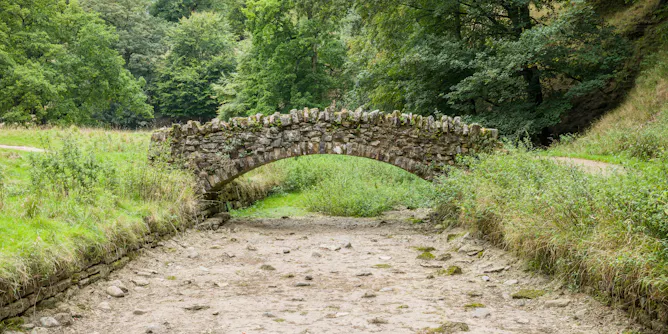
An expert explains the different types of drought and what happens when they combine with heatwaves.
Articles on Flash drought
Displaying all articles
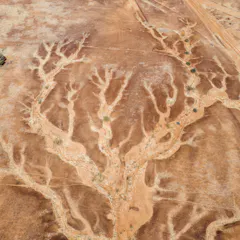
We have to stop thinking of droughts simply as a static state of low moisture. Rapid drought changes can send fire risk soaring.
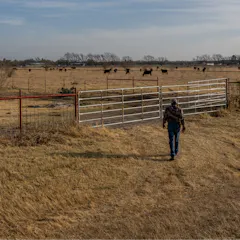
The Southern Plains states get a severe drought about once a decade, but long-lasting droughts lately have been leaving farms, rangeland and water sources with too little time to recover.
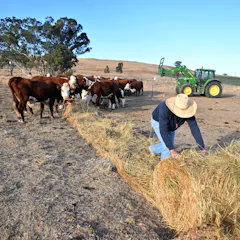
When climate scientists look at the unfolding drought in southern Australia, they see three phases: flash drought, leading to green drought and then fodder drought.
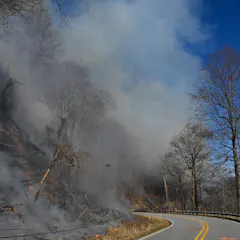
Fires are a natural part of the landscape and essential for many species. But scores of fires at once were more than anyone bargained for.
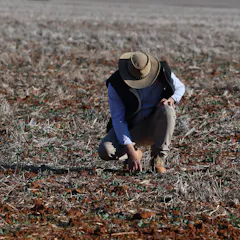
Recent flash droughts in parts of NSW and Victoria appeared quickly and can be followed by intense flooding rains. It’s part of a global trend driven by global warming.
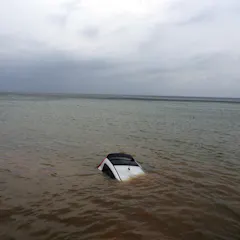
We all know climate change makes extreme weather more likely. But it’s also loading the dice for quick-forming drought, sudden and intense rainfall and fast-forming tropical storms.

If greenhouse gas emissions continue at a high rate, breadbaskets of Europe and North America will see a 50% chance of a flash drought each year by the end of this century.
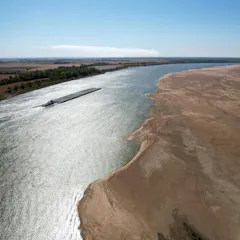
Record low water levels on the Mississippi and other major rivers, as seen in 2022, could become more common, threatening transportation of many key goods and raising prices.
‘Thirsty air’ can create rapid and devastating drought – new research offers hope we might be able to see it coming in advance.
Top contributors
-

Associate Professor, ARC Centre of Excellence for Weather of the 21st Century, Monash University
-
Principal Research Scientist in Extreme Weather, The University of Melbourne
-
Research Scientist in Climate Variability and Hazards, CSIRO
-
Professor, School of Mathematical And Physical Sciences, University of Technology Sydney
-
Professor of Meteorology, UMass Lowell
-
Postdoctoral Researcher in Meteorology, University of Oklahoma
-
Visiting Fellow, School of Mathematical and Physical Sciences, University of Technology Sydney
-
Assistant Professor of Earth Sciences, University of Memphis
-
Associate Professor of Earth Sciences, University of Memphis
-
Associate Professor of Atmospheric Science, University of Memphis
-
ARC Future Fellow and Associate Professor in Climate Science, ARC Centre of Excellence for 21st Century Weather, The University of Melbourne
-
Senior Associate Scientist, Cooperative Institute for Research in the Environmental Sciences, University of Colorado Boulder
-
Research Assistant Professor in Atmospheric Sciences, Texas A&M University
-
Ph.D. Candidate in Physics, Wake Forest University
-
Associate Professor of Civil and Environmental Engineering, Wake Forest University