
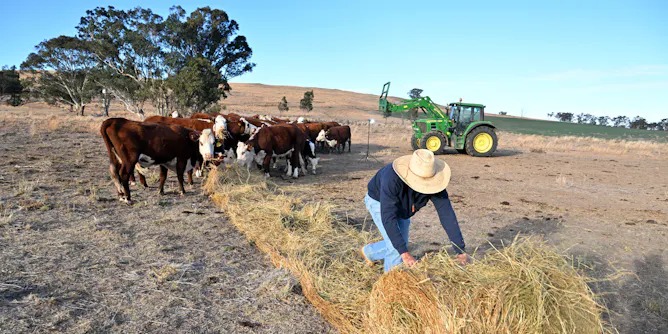
When climate scientists look at the unfolding drought in southern Australia, they see three phases: flash drought, leading to green drought and then fodder drought.
Articles on rainfall patterns
Displaying 1 - 20 of 21 articles
Although biologists have studied seasonal processes for centuries, we know surprisingly little about the impacts of shifting seasons. We are likely underestimating the repercussions.

From dried-up rivers to flooded crops and cities, rising temperatures in 2024 wreaked havoc with water, creating life-threatening challenges for people and nature alike. Explore this interactive map.
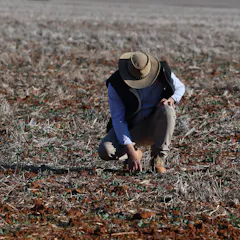
Recent flash droughts in parts of NSW and Victoria appeared quickly and can be followed by intense flooding rains. It’s part of a global trend driven by global warming.

To date, the effects of climate change on global rainfall has been uncertain. New research overcomes this uncertainty – with alarming results.
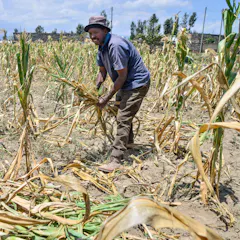
Smallholder farmers are bearing the brunt of climate change in sub-Saharan Africa. Deliberate steps are required to support them and boost agricultural output,

Not all La Niñas are wet, nor El Niños dry – especially if you live in Sydney. So here’s how to interpret what an El Niño forecast means for you.
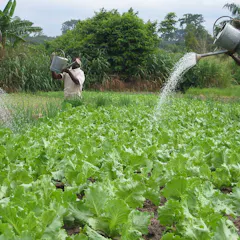
The effect of climate change on established lifestyles of farming communities are varied

The growing threat of flash flooding as a result of more intense rapid rain bursts means the city needs to update its flood defences.
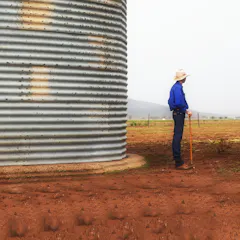
New ABARES research examines the climate change challenge facing Australian farmers
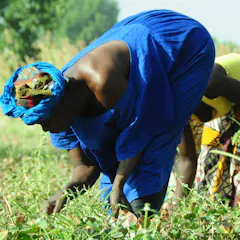
Rural migrant farmers are bearing the brunt of climate change in Ghana
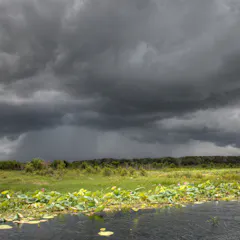
Mosquitoes love the wetter weather La Niña brings to some parts of Australia. But will we see more mosquito-borne disease?
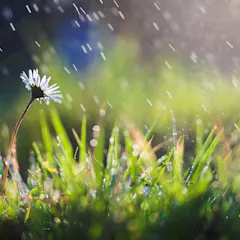
Examining old vegetation sediments to learn about shifting weather patterns and climate change.
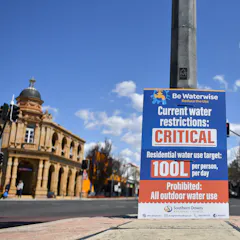
Five capital city water storages fell over summer, and some appear to be facing dramatic long-term declines. Late drenching rains fell on southeastern Australia, but some unlucky centres missed out.

Autumn may bring wetter-than-average conditions in parts of southern Australia, indicating a gradual easing of the drought in some areas.
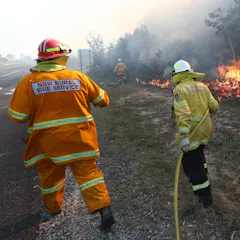
Bureau of Meteorology researchers painstakingly analysed more than 40 years of data to work out exactly what is causing Australia’s spring bushfire phenomenon.
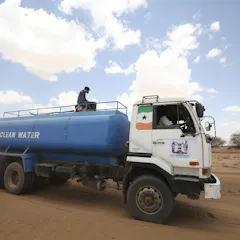
Changes in weather patterns have made life a great deal more precarious for pastoral communities.
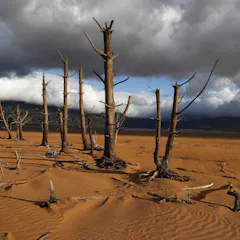
Australia’s subtropical regions are drying, but if we can slow the global temperature rise then rainfall should increase again.
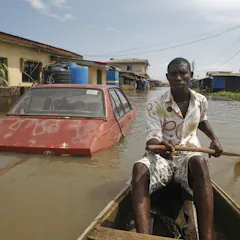
Heavy rains, poor and clogged drainage systems have made many towns and cities in Nigeria susceptible to massive flooding.
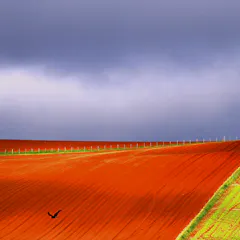
New research shows Australian farmers are adapting to climate change, offsetting at least part of a climate change-induced decline.
Top contributors
-

Adjunct Associate Professor, Centre for Regional and Rural Futures, Deakin University
-
ARC Future Fellow and Associate Professor in Climate Science, ARC Centre of Excellence for 21st Century Weather, The University of Melbourne
-
Visiting professor, University of Saskatchewan
-
Ass. Professor, University of Maryland Eastern Shore; North-West University
-
Honorary Research Fellow, The University of Melbourne
-
Professor and Director of the Institute for Water Research, Rhodes University
-
Professor emeritus, The University of Melbourne
-
Associate professor, The University of Melbourne
-
Senior Lecturer at Oyo State College of Agriculture and Technology, Igboora, Nigeria and Extraordinary Senior Lecturer at Indigenous Knowledge Systems Centre, North-West University, Mafikeng, South Africa, North-West University
-
Professor & Former Canada Research Chair in Health Geography, Western University
-
Adjunct Professor (Practice) in the School of Earth, Atmosphere and Environment, Monash University
-
Adjunct Associate Professor in Climate Change, The University of Queensland
-
Professor, Climate Change Research Centre, UNSW
-
PhD Candidate, Women's Studies and Feminist Research, Western University
-
Associate Professor, Queensland Alliance for Agriculture and Food Innovation, The University of Queensland; Centre Leader, Hermitage Research Facility; College of Experts, Global Change Institute, The University of Queensland