
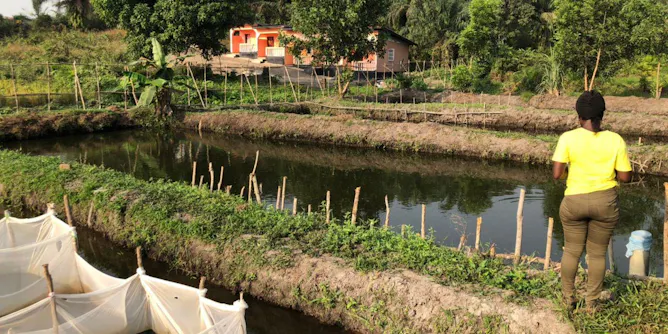
Wild fish sustain life in Sierra Leone’s fishing towns, but declining stocks mean fish farming is needed. However, fishing communities distrust farmed fish.
Articles on Fish stocks
Displaying all articles
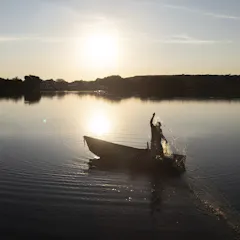
Nearly 30 per cent of the world’s population lives in coastal areas. A changing climate and biodiversity loss represent an unprecedented threat to these ecosystems.
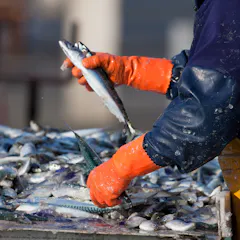
Overfishing affects food security, blue economy jobs and climate resilience.
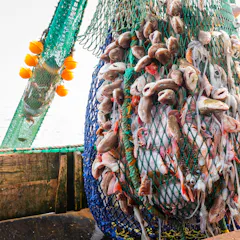
We studied 230 fisheries around the world, and found populations of many overfished species are in far worse condition than has been reported.

Coastal fishing communities in west Africa face increased poverty as fish stocks decline.
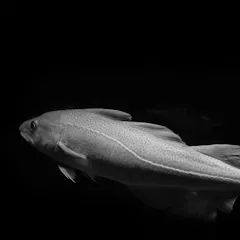
Having a flexible and adaptable management system is necessary to sustainably manage fisheries, especially in times of a rapidly changing climate.
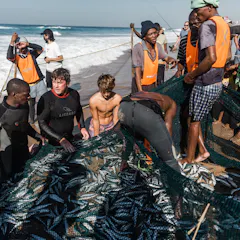
South Africa’s policies need to do more to protect vulnerable and marginalised small-scale fishers and fishing communities.
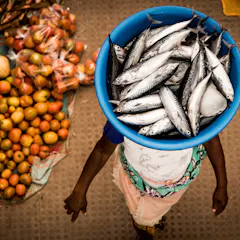
The ability of West Africa’s fisher women to cope or adapt in times of adversity should not let policymakers off the hook.
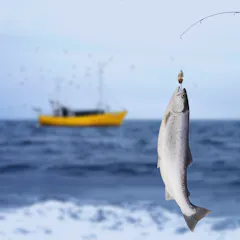
Successful management of shared fish stocks depends on countries’ collaborative efforts and adaptation to a changing world.
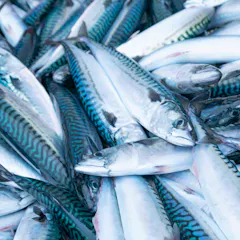
Suspending mackerel and spring herring fishing in the southern Gulf of St. Lawrence will impact the fishing industry on many levels.
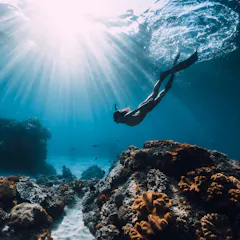
The Pacific Ocean produces oxygen, helps regulates the weather, provides food and livelihoods. It’s a place of fun, solace and spiritual connection. But its delicate ecology is under threat.
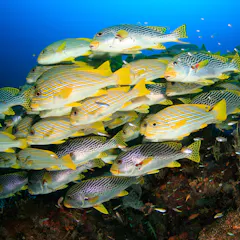
Most existing MPAs are in distant and largely empty waters. Expanding them where it counts will meet a lot of resistance.
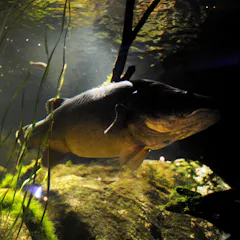
Fish must be released into good quality water, with suitable habitat and lots of food. These conditions have been quite rare in Murray Darling rivers in recent years.
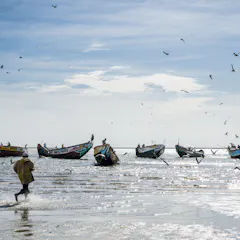
The EU continues to enter into fresh agreements with countries, despite evidence of serious population declines in the species of interest.
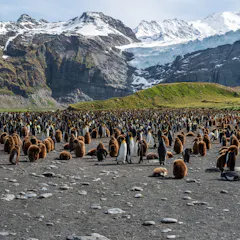
Polar regions may be becoming more profitable, but these “benefits” come with far more severe costs.

Our new invention tackles one of the greatest impediments to fish migration in Australia: culverts, those tunnels or drains often found under roads.
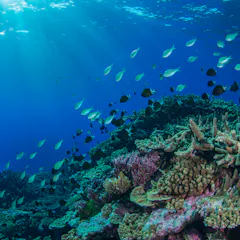
The 2016 heatwave that caused mass bleaching on the Great Barrier Reef didn’t just kill corals - it also significantly changed the makeup of fish communities that call these reefs home.
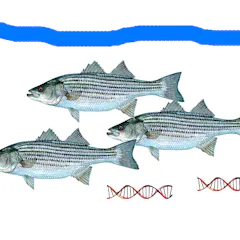
Animals shed bits of DNA as they go about their lives. A new study of the Hudson River estuary tracked spring migration of ocean fish by collecting water samples and seeing whose DNA was present when.
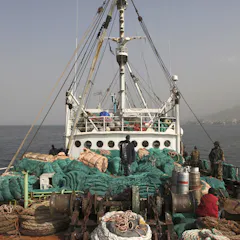
The fisheries sector in West Africa is beset with serious challenges including over-fishing and, in particular, illegal fishing.
Top contributors
-

Lecturer in Sustainable Futures, University of St Andrews
-
Senior Marine Ecologist, Institute for Marine and Antarctic Studies, University of Tasmania
-
Senior Research Associate in the Program for the Human Environment, The Rockefeller University
-
Postdoctoral researcher, The University of Queensland
-
Senior Lecturer, School of Environment and Science, Griffith University
-
University Fellow in Biodiversity, Charles Darwin University
-
Professor in Zoology, The University of Queensland
-
Senior Research Fellow, The University of Queensland
-
Adjunct Senior Research, ARC Centre of Excellence for Coral Reef Studies, James Cook University
-
Executive Director and Professor of Fisheries and River Management, Gulbali Institute (Agriculture, Water and Environment), Charles Sturt University, Charles Sturt University
-
Freshwater Ecologist, Charles Sturt University
-
Professor of Conservation Biology, University of Oxford
-
Research Scientist, Fisheries & Marine Institute, Memorial University of Newfoundland
-
Lecturer/researcher, University of Otago
-
PhD student, University of Exeter