
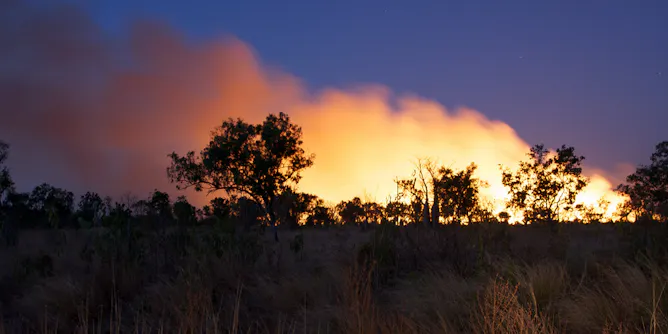
For thousands of years, Aboriginal Australians burned forests to promote grasslands for hunting and other purposes. Recent research suggests that these burning practices also affected the timing and intensity…
Articles on Fire
Displaying 221 - 240 of 241 articles
Aboriginal people worked hard to make plants and animals abundant, convenient and predictable. By distributing plants and associating them in mosaics, then using these to lure and locate animals, Aborigines…
By analysing nearly a decade of satellite data, a team of scientists has created a model that can successfully predict the…
The “reasonable person” would agree that disaster risk is best avoided. Under a changing climate, how exposed people are to risk and how socially and physically vulnerable they are affects how often disasters…
Bushfires are part of the Australian landscape and the psyche of its human inhabitants. This is particularly true as months of hot, dry weather approach. Recent warnings have predicted a dire summer ahead…
Climate change, land use and other human-driven factors could pit savannas and forests against each other. Without this harmony…
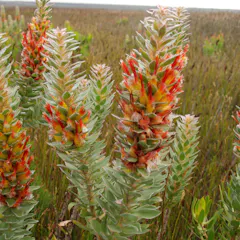
It’s true: many species will go extinct due to the direct and indirect impacts of climate change. We will have to make some hard decisions about where to invest conservation dollars for the best effect…
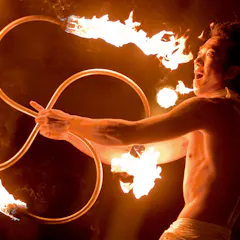
We have been fascinated and repelled by fire for millennia. It’s the defining feature of humanity and it has powered all cultures. But our relationship with this fundamental element, whether wild or contained…
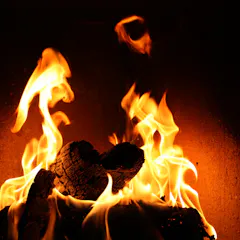
The issue of firewood management has recently attracted renewed attention in Victoria, where the State Government has changed the regulations on collecting firewood from State Forests. Firewood is cheap…
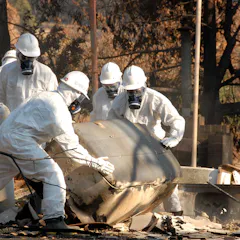
Last summer, the Victorian government allowed cattle to graze in the Alpine National Park. They claimed it was part of a scientific trial to assess grazing as a tool to reduce fire risk. Now it seems there…
Lizard populations have been brought back in America’s Ozark glades through the burning of entire mountains and valleys…
Fire – one of nature’s primary carbon-cycling mechanisms – will become an increasingly important driver of atmospheric change…
Native Banksias have lived in the presence of fire for 61 million years and have developed many coping capabilities as a…
It has been found that cyanide plays a crucial role in promoting the germination of the seeds of red and green kangaroo paw…
Academics are investigating whether creating “hotspots” in controlled burn offs in tuart forests will effectively stimulate…
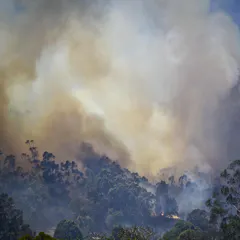
Bushfires are, together with cyclones and flooding, among the most important natural hazards affecting Australian communities. They also make a significant contribution to Australia’s greenhouse gas emissions…
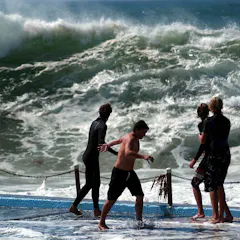
Governments and communities must take urgent action to reduce greenhouse gas emissions this decade or face enormous social and economic costs in future, according a report by the Australian government’s…
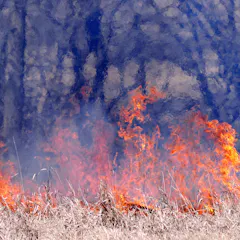
The world’s top climate scientists have warned that the heat waves that have killed thousands of people during recent summers are to become more common and more deadly. The Intergovernmental Panel on Climate…
Researchers have confirmed that smoke from bushfires not only signals destruction. It also stimulates new vigorous plant…
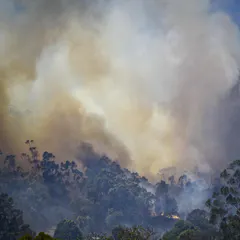
Australian science institutions and scientists must retain the confidence of the public and Australian governments. By blurring facts, disrespecting other institutions’ research processes and turning their…
Top contributors
-

Professor of Pyrogeography and Fire Science, University of Tasmania
-
Research Fellow in Environmental Science, University of Tasmania
-
Adjunct professor, UNSW
-
Associate Professor of Geography, University of Colorado Boulder
-
Professor of Geography and Director of the Centre for Wildfire Research, Swansea University
-
Professor of Science Communication and Chemistry, University of Hull
-
Associate Professor in Quantitative Ecology, The University of Melbourne
-
Emeritus professor, University of Wollongong
-
Senior research fellow, Charles Darwin University
-
Postdoctoral researcher, University of Tasmania
-
Professor, Hawkesbury Institute for the Environment, Western Sydney University
-
Professor in Digital Construction and Fire Engineering, Te Kunenga ki Pūrehuroa – Massey University
-
Professor of Law, Deakin University
-
Distinguished Research Professor and Australian Laureate, James Cook University
-
Associate Professor, Hawkesbury Institute for the Environment, Western Sydney University