
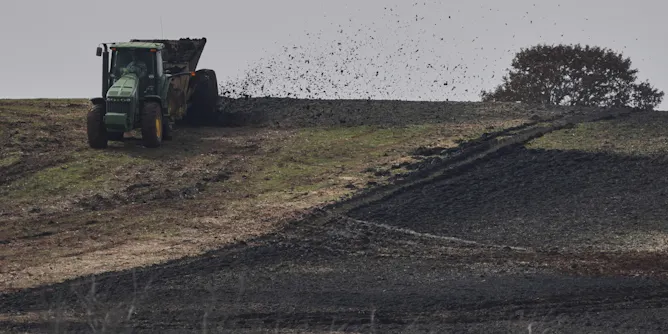
Plants need phosphorus, and other nutrients, to grow. But soil tests can’t tell if there’s too much.
Articles on Fertilizer runoff
Displaying all articles
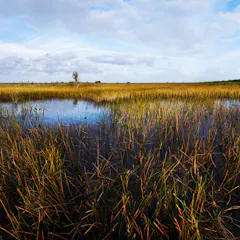
Changes to the landscape and pollution have harmed this vital ecosystem known as the ‘river of grass.’

Manatees along Florida’s coast are eating less seagrass and more algae than they did a few decades ago. This dietary shift could pose a new threat to the survival of the beloved species.

The spectacular landscapes and pristine waters of the north shore of Lake Superior, which once provided inspiration for the Group of Seven, are now vulnerable to algal blooms.
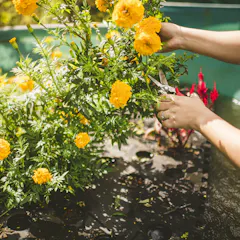
Phosphorus and nitrogen contribute to water pollution and cause harmful algal blooms. New research shows how mats of floating flower beds can take advantage of these nutrients while cleaning the water.

Harmful algae blooms are an increasing problem in Florida. Once nutrients are in the water to fuel them, little can be done to stop the growth, and the results can be devastating for marine life.

New research shows that one-third of yearly nitrogen runoff from Midwest farms to the Gulf of Mexico occurs during a few heavy rainstorms. New fertilizing schedules could reduce nitrogen pollution.
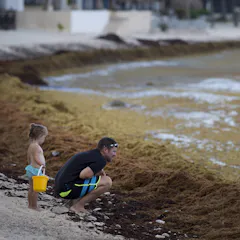
The consequences of a massively connected globe are real — and not limited to disease pandemics.
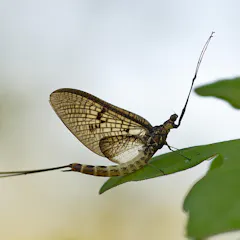
Mayflies and stone flies are extremely vulnerable to water pollution, which has implications for the larger food chain.
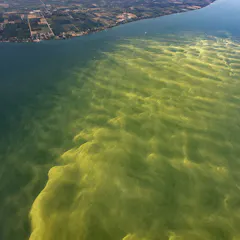
The Great Lakes contain reservoirs of legacy contaminants, mostly in their sediments, that are vulnerable to resuspension.
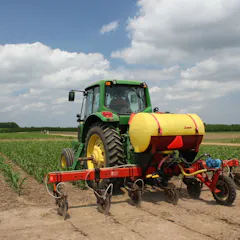
Fertilizer is a key source of nitrogen pollution which fouls air and water worldwide. Current regulations target farmers, but focusing on producers could spur them to develop greener products.
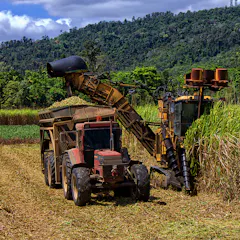
You’ve heard of cap-and-trade schemes for greenhouse gases. Perhaps we also need one to limit the amount of fertiliser runoff onto the Great Barrier Reef.

A combination of factors – pollution, disease and overfishing – is harming corals but scientists have found clues to effective treatment by studying corals’ microbiome.
Top contributors
-

Associate Professor of Environmental Studies, New York University
-
Adjunct Professor, Griffith University
-
Senior Lecturer, Griffith School of Environment, Griffith University
-
Associate Professor of Ecology, University of California, Santa Barbara
-
Associate Professor, Griffith University
-
Griffith University
-
Research fellow, Griffith University
-
Assistant Professor of Ecology, Evolution and Organismal Biology, Iowa State University
-
Director and Professor, Great Lakes Institute for Environmental Research, University of Windsor
-
Visiting Scholar, Great Lakes Institute for Environmental Research, University of Windsor
-
Professor of Agroecology, Florida International University
-
Professor of Marine Biology and Ecology, University of Miami
-
Professor, Great Lakes Institute for Environmental Research and Director of the School of the Environment, University of Windsor
-
Professor of Chemistry and Biochemistry, University of Windsor, University of Windsor
-
Postdoctoral Associate in Soil, Water and Ecosystem Sciences, University of Florida