

Thousands of Australian men have vasectomies each year. These surgeries are successful in more than 99% of cases.
Articles on Fertility
Displaying 121 - 140 of 244 articles

Zebrafish study could have implications for human fertilisation technology.

The ‘egg timer’ blood test reveals the quantity of eggs women have, not the quality, which declines with age. It’s also expensive and can give false low readings.
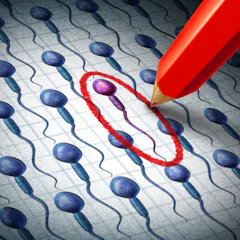
Traditional belief has held that the underlying cause of miscarriage can be found in mothers, but half of recurrent miscarriages have another cause.

How do women decide how many children to have and when to have them? The data reveal a few major patterns.

Climate change threatens to cause mass extinctions – but how, exactly? New research suggests male fertility may be the weakest link.

Older. More suburban. Less fertile. More diverse. This year, Americans grappled with some major shifts in the demographic landscape.

Did you ever consider that human beings might have a breeding season? Birth seasonality exists – and has interesting implications for childhood disease outbreaks.

Fertility apps aim to help women understand their bodies. But while some find tracking their data a positive experience, others may feel burdened or trapped.
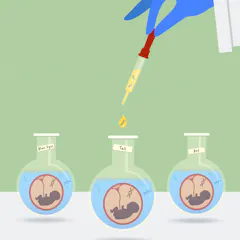
Forecasts of designer babies followed the announcement of the gene-edited twins, just as they have for any reproductive technology since 1978. This signals the public must learn more about genetics.

There are many things to consider when choosing when to have a child.

Adenomyosis is a different condition to endometriosis, though many women who have one will have the other.
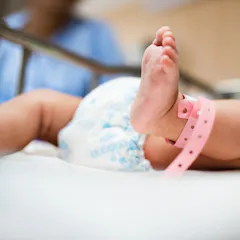
A new study shows that as the father’s age increases, so too the chances of the baby being born prematurely, having a low birth weight, or requiring medical intervention after delivery.
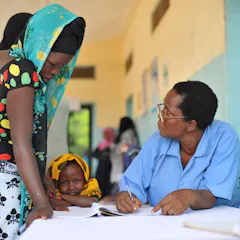
Tanzania was an early, ardent believer in family planning. Now it joins a growing number of developing nations that see potential advantage in having a huge and growing workforce.

There are signs China could drop its two-child policy in an attempt to boost population growth.

Why some women choose to freeze their eggs.

One in 4 US women receives an abortion sometime in her life. Who are the women who choose to end their pregnancies?

The debate about the pros and cons of genetically screening embryos is deeply entrenched. Perhaps we should let couples decide.

Conversations about reproduction should be a routine part of medical care for transgender people – but assumptions and non-inclusive language can act as barriers to informed consent.

Cliched comments like “it wasn’t meant to be” or “don’t worry, you’ll get pregnant” are hurtful and dismissive. Instead, acknowledge their loss, listen and let them grieve.
Top contributors
-

Adjunct Senior Research Fellow, Global and Women's Health, School of Public Health & Preventive Medicine, Monash University
-
Senior Lecturer, School of Social Sciences and Humanities, Loughborough University
-
Senior lecturer in reproductive Biology, University of Sheffield
-
Monash University
-
Adjunct clinical professor, Monash University
-
Assistant Professor of Sociology, University of South Carolina
-
NHMRC Emerging Leader Research Fellow in Reproductive Health, School of Public Health, University of Sydney
-
Professor and Director, Robinson Research Institute, Adelaide University
-
Emeritus Professor of Reproductive and Periconceptual Medicine, The Robinson Research Institute, Adelaide University
-
Professor of Social Science and Public Policy, Hong Kong University of Science and Technology
-
Professor of Reproductive Medicine, University of Dundee
-
Adjunct Professor, La Trobe University
-
Assistant Professor of Obstetrics and Gynecology, UMass Chan Medical School
-
Associate Professor,, The University of Melbourne
-
Associate Professor in Contraception, Reproductive and Sexual Health, Anglia Ruskin University