
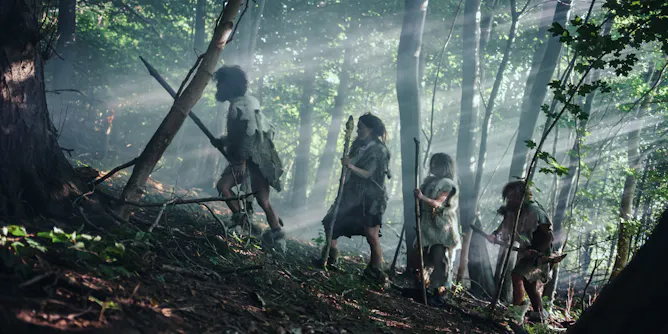
How we’re linking together genetic material from thousands of people - modern and ancient - to trace our ancestors and the history of our evolution.
Articles on Evolutionary biology
Displaying 61 - 80 of 187 articles
If COVID symptoms are less severe, people with the Omicron variant may be less likely to test and isolate.
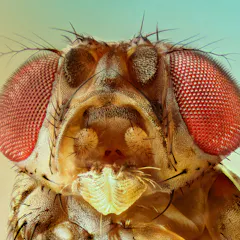
Hox genes make sure all your body parts grow in the right place. Understanding how they work can reveal the process of evolution and lead to potential treatments for congenital birth defects.
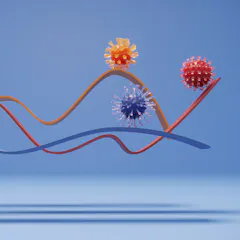
When the coronavirus copies itself, there is a chance its RNA will mutate. But new variants must jump from one host to another, and the more infections there are, the better chance this will happen.
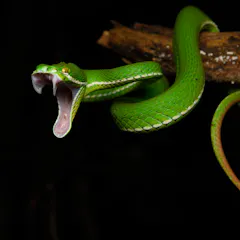
How have snakes evolved venom fangs so many times in their evolutionary history? Research suggests it’s due to a structure called ‘plicidentine’ in their teeth that can evolve into venom grooves.

Australia’s invasive cane toads may be out-evolving their lungworm parasites.

Evolutionary medicine uses our ancestral history to explain disease prevalence and inform care for conditions like Type 2 diabetes. It also challenges the bio-ethnocentrism of western medicine.
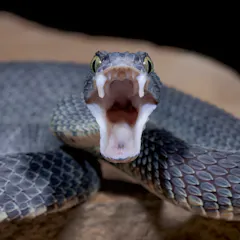
Some snakes have tough, blunt fangs for cracking crabs. Others have sharp needles for getting a grip on mice.
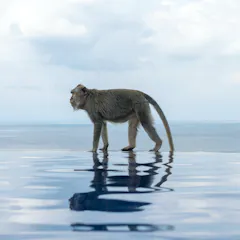
Given tens of millions of years, wildly improbable events – like primates crossing oceans – are almost a given.
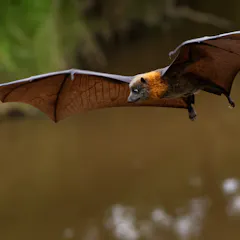
Echolocation evolved multiple times in bats over millions of year. Yet the earliest bat ancestors probably didn’t have this skill — or if they did, it was likely very primitive.

For some sand-dwelling plants, stickiness is a defense tactic that keeps predators at bay.

Early humans called Denisovans lived in a remote mountain cave between 100,000 and 60,000 years ago, and possibly longer still, raising intriguing questions about their relationship to modern humans.

Genetic studies show mingling between populations has been the norm throughout human history.
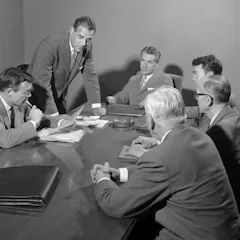
Recognizing the influence of evolution on behavior and gender norms suggests ways to reduce gender inequality in leadership in the real world.

A bereavement counsellor on grief, loss and longing.
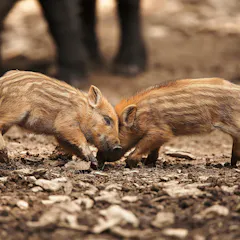
Female piglets with more play fighting experience did better in adult contests – but for males the opposite was true.

The arrangement of bones in our specimen’s fins are the same as those of ‘fingers’ in tetrapods. The only difference is the digits are locked within the fin, and not free moving.

When it comes to love, science has not yet got it right. And there’s a wonderful reason why.
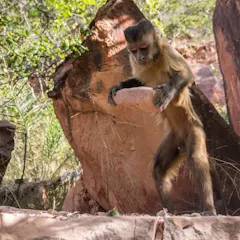
Capuchin monkeys in Brazil use big stones to crush the shells of nuts they want to eat. An experiment in the field investigated how these monkeys prepare to use new, unfamiliar tools.
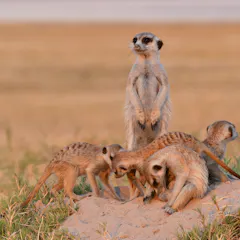
A thought experiment from Richard Dawkins’ book The Selfish Gene turned out to be a more realistic explanation for altruism than he expected.
Top contributors
-

Emeritus Strategic Professor in Palaeontology, Flinders University
-
Honorary Associate Professor, UNSW
-
Senior Lecturer, Centre for Behaviour and Evolution, Newcastle University
-
Mark Elgar is a Friend of The Conversation.
Emeritus Professor of Evolutionary and Behavioural Ecology, The University of Melbourne
-
Jenny Graves is a Friend of The Conversation.
Distinguished Professor of Genetics and Vice Chancellor's Fellow, La Trobe University
-
Postdoctoral Researcher , The University of Melbourne
-
Senior lecturer, School of Biological Sciences, University of Bristol, University of Bristol
-
Professor of Avian Behavioural Ecology, Macquarie University
-
PhD Researcher, Nature and Function of Human Nonverbal Vocalisations, University of Sussex
-
Lecturer, Macquarie University
-
Postdoctoral Researcher of Evolutionary Biology, University of Pennsylvania
-
Research fellow, University of Sydney
-
Sexual health researcher, The University of Melbourne
-
Professor of Evolutionary Biology, Université du Québec à Rimouski (UQAR)
-
Associate Professor, School of Psychology, The University of Queensland