

A new nanomaterial ‘blanket’ could reduce evaporation from dams by blocking heat while letting sunlight through, helping save scarce water in hot parts of Africa.
Articles on Evaporation
Displaying all articles
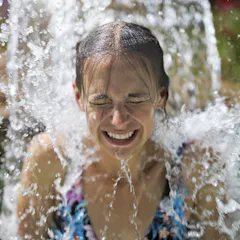
You can feel wet when you can see water and when you can’t see water. You can also feel dry even when there’s a lot of water vapor in the air – like during a fire.
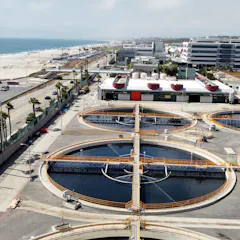
Desalination of seawater and sewage treatment plants leave behind water that contains high concentrations of salt, metals and other contaminants. What if that water could be separated from the rest?

Calling the Amazon “the lungs of the world” overlooks the forest’s vital role in the water cycle.
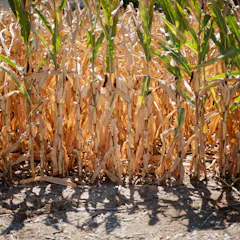
Flash droughts can develop within a few weeks, causing water shortages, damaging crops and worsening fire risks.
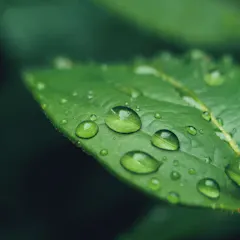
Plants lose huge amounts of water to catch the carbon dioxide they need for photosynthesis – but a new discovery may make them more efficient.
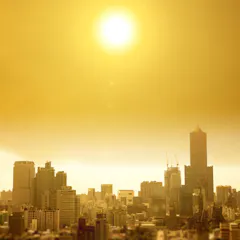
North America’s 2021 extreme heat event should compel governments to scale innovations from leading cities and countries to advance resilient, restorative and renewable cities.
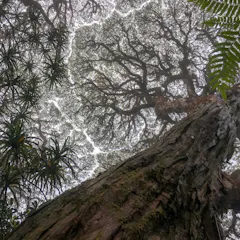
A 50-year experiment shows warmer, ‘thirstier’ air may have cut the lifespan of Queensland’s tropical trees in half since the 1980s.
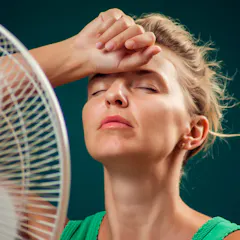
On a hot and humid day, the fan is your friend. But ice cream won’t make the difference you think it will.
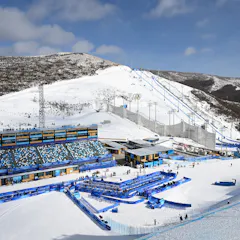
In Beijing’s climate, you could coat a Sydney apartment in a few inches of snow with the same energy the air conditioning would use in an hour.
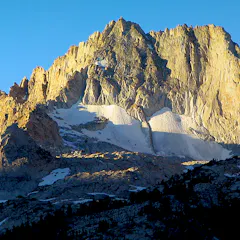
As rivers run dry in the Rocky Mountains and the West, it’s easy to wonder where all the snow you see on mountain peaks goes. Some of it ends up in the air, but researchers aren’t sure how much.
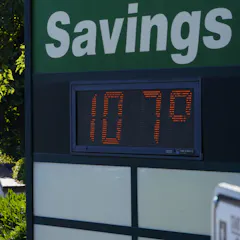
Which is worse, dry heat or wet heat? Both, says an exercise physiologist.

Freezers use a evaporation and condensation to pump heat out of the fridge and into the kitchen.
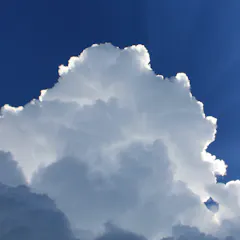
You might have already felt what it would be like inside a cloud made of condensed water vapor.
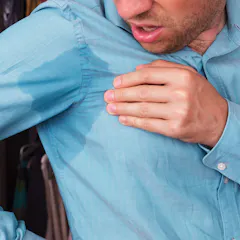
Sweating is usually our body’s way of stopping us from overheating. But if excess sweating is a problem for you, there’s help.

Microscopically engineering surfaces could stop water leaving behind rings of residue as it dries.
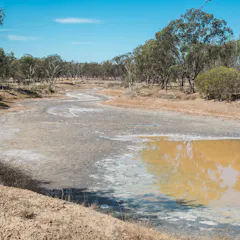
High temperatures make droughts worse, right? Wrong: it’s the other way around. Ahead of an El Niño summer that looks set to bring drought to much of Australia, here’s a quick primer on how they form.
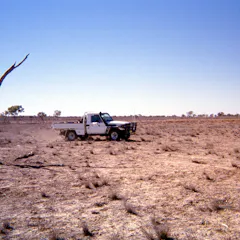
The cycle of evaporation and rainfall over the past 50 years has intensified at twice the rate predicted by climate change models, according to a report by US and Australian scientists of ocean salt levels…
Top contributors
-

Professor, Plant Physiology, James Cook University
-
Professor, Research School of Earth Sciences and Chief Investigator in the ARC Centre of Excellence for Climate Extremes, Australian National University
-
Research Fellow, Thermal Ergonomics Laboratory, University of Sydney
-
Professor of Physical Chemistry and Australian Research Council Future Fellow, University of Sydney
-
Professor of Biosphere-Atmosphere Interactions, University of Leeds
-
Senior Lecturer in Physics, University of New England
-
Professor of Heat & Health; Director of Heat & Health Research Incubator; Director of Thermal Ergonomics Laboratory, University of Sydney
-
Assistant Professor of Geosciences, Penn State
-
Visiting Fellow, Plant Sciences, Australian National University
-
Fellow, MJ Wosk Centre for Dialogue; Executive Director, Renewable Cities, Simon Fraser University
-
Associate Professor, Northumbria University, Newcastle
-
Postdoctral Research Fellow, University of Sydney
-
Associate Professor of Atmospheric and Oceanic Sciences, University of Colorado Boulder
-
Professor of Snow Hydrology, Colorado State University
-
Research Fellow, The University of Queensland