
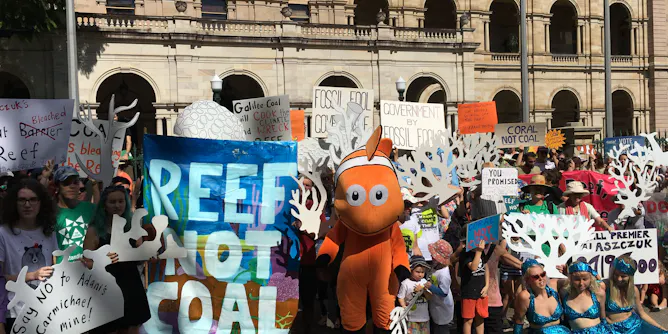
Queensland’s Supreme Court has backed the state government’s decision to approve the proposed Carmichael coal mine. But environmental groups have scored some key legal points on climate considerations.
Articles on Environmental law
Displaying 121 - 140 of 211 articles
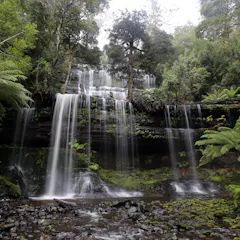
Prime Minister Malcolm Turnbull’s proposed changes to Australia’s national environment act will significantly reduce judicial oversight on environmental decisions. Here’s why that matters.
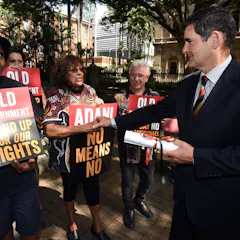
Can Australia achieve fair and open decision-making and a just and sustainable energy transition when big coal players are involved?
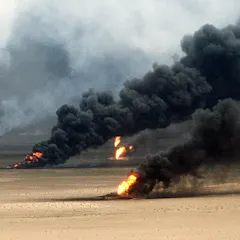
But criminal sanctions alone aren’t enough. We also have to make individuals and firms financially liable for their actions.
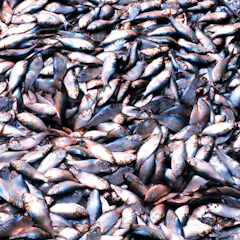
The world has global authorities for trade and security, but not for threats to the environment. It’s time the natural world got its own version of the World Trade Organisation or UN Security Council.
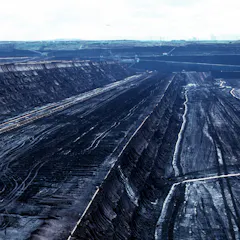
Rehabilitating old mines is a crucial responsibility for the industry. But many Australian mine sites have been simply left alone or left for the taxpayer to fix.
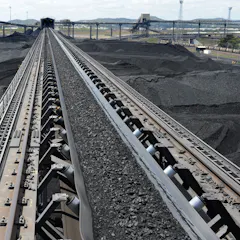
The granting of a mining lease to the Carmichael coal project, despite the huge potential greenhouse emissions, shows that ministers need to consider the wider consequences of their approvals.
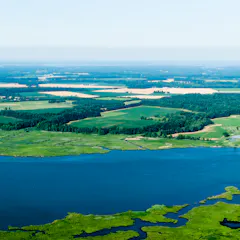
In its first environmental case post-Scalia, the Supreme Court rebuffs farm and ranching interests that opposed the EPA’s multistate plan to restore Chesapeake Bay using the Clean Water Act.
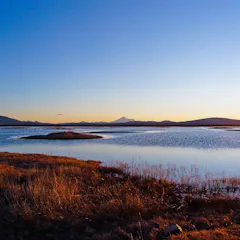
A look at Scalia’s decidedly negative legacy on environment reveals how important the next Supreme Court will be on environmental questions, including the EPA Clean Power Plan.

Many observers have called for criminal prosecutions in Flint, Michigan’s water crisis. A law professor with experience in federal and state government reviews the laws that may have been broken.
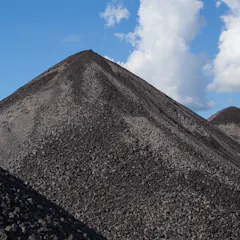
Activists want the Carmichael mine stopped. But what does the law say?
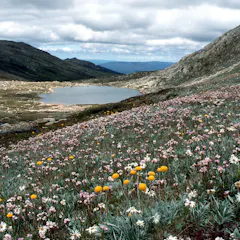
The government is set to restrict green groups’ right to challenge environmental approvals in court. But the law isn’t doing its job in protecting Australia’s plants and animals anyway.
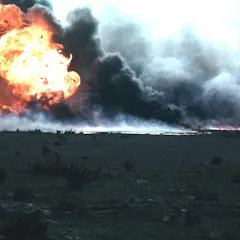
Acts perpetrated during the course of warfare have, through the ages, led to significant environmental destruction.
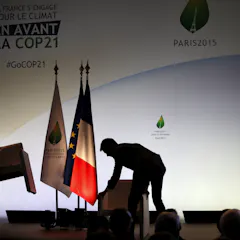
Probably not, but that might be for the best if it encourages countries to be more ambitious in their commitments, rather than playing it safe to avoid falling foul of legal obligations.
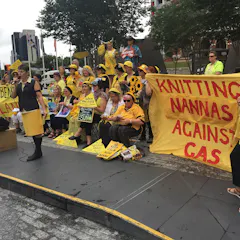
As a landowner, can you veto a coal seam gas development? And does the environment minister have the power to say no to coal mines?
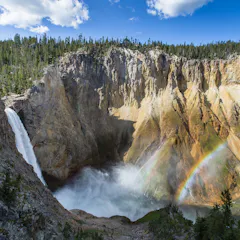
You can’t simply ‘value’ nature as though it were a commodity able to be bought and sold.

The government plans to change the law so green groups don’t automatically qualify to mount legal challenges against environmental approvals. That would make it much harder for green watchdogs to act.
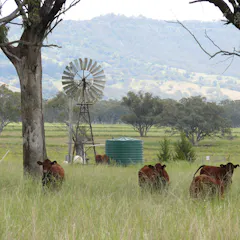
Federal environment minister Greg Hunt has claimed that he had no choice but to approve Shenhua’s controversial Watermark Coal Mine near Gunnedah in New South Wales. But the legislation suggests otherwise.
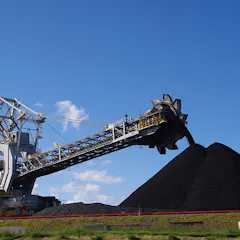
Experts respond to the recently-approved Shenhua Watermark coal mine.

It is important that co-operative approaches are found to conservation as the natural environment knows no political boundaries.
Top contributors
-

Adjunct Associate Professor in the School of the Environment, The University of Queensland
-
Professor of Law, Deakin University
-
Professor of Law Emeritus, Vermont Law & Graduate School
-
Professor of Environmental Law, University of Maryland
-
Professor of Environmental Management, The University of Queensland
-
Professor of Law, University of Kansas
-
Deputy Director, Australian Centre for Climate and Environmental Law and Lecturer in Law, University of Sydney
-
Professor of Law, University of California, Davis
-
Lecturer, The University of Melbourne
-
Senior Research Fellow, Deakin University
-
Professor, TC Beirne School of Law, The University of Queensland
-
Professor of Law, University of California, Berkeley
-
PhD Candidate, GPEM, The University of Queensland
-
Professor of Law, Director, Program on Law and Innovation, and Co-director, Energy, Environment and Land Use Program, Vanderbilt University
-
Professorial Fellow, University of Canberra