
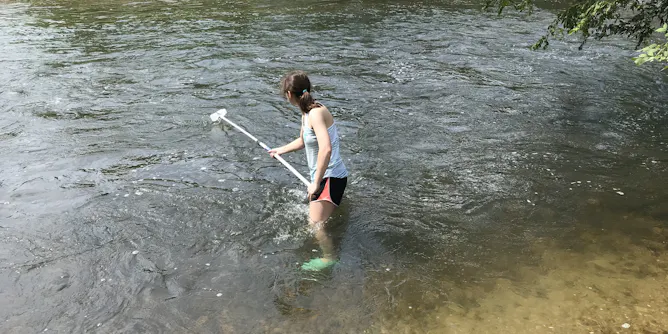
A fish-finding expedition not only detects unexpected species but also uncovers a living link to Missouri’s geological past.
Articles on eDNA
Displaying 1 - 20 of 27 articles
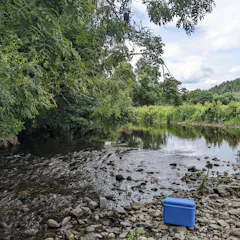
Environmental DNA contained in a small sample of water, sand or even air can reveal the presence of people, wildlife and pathogens, helping researchers track where they’ve migrated.

New EU legislation supporting healthier soils was adopted in December 2025 incorporating environmental DNA analysis which is proving useful but not totally efficient.

Natural spiderwebs are good at capturing DNA from the environment, but artificial webs are cheap and provide better control – without harm to spiders.
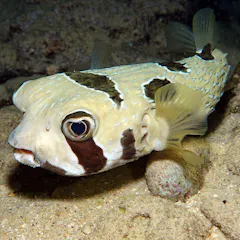
Tracking these shifts is crucial for understanding how climate change is transforming our oceans.

Recent studies have demonstrated that eRNA, previously considered too unstable for field use, can be reliably detected in freshwater ecosystems.
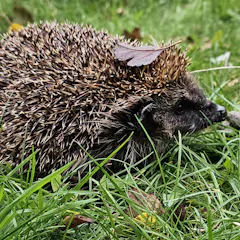
The spiny mammals are on the decline, but they hold the secrets to biodiversity in their local areas.
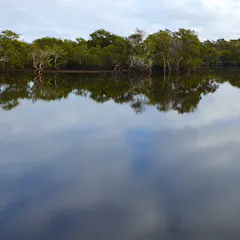
Researchers worked with Indigenous Rangers to map life in 34 estuaries across NSW using environmental DNA - and made a host of unexpected discoveries.

New ancient DNA research on Adélie penguin poo in Antarctica shows how several species respond to environmental change over time, including southern elephant seals.
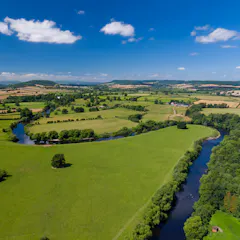
Our research suggests environmental DNA analysis could transform traditional ways of monitoring freshwater ecosystems.

Monitoring methods based on environmental DNA are faster, more comprehensive and cheaper than traditional ecological surveys. They help fill gaps in New Zealand’s data on river health.
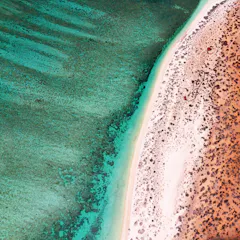
Every living thing leaves traces in its environment. By sampling water or even air for this environmental DNA, we can know which species live where.

We sampled 118 rivers and creeks before and after the Black Summer bushfires, searching for platypus DNA. Here’s what we found.

And other ways to enjoy open water safely this summer.
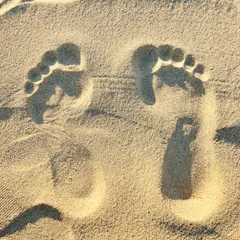
Environmental DNA provides a wealth of information for conservationists, archaeologists and forensic scientists. But the unintentional pickup of human genetic information raises ethical questions.
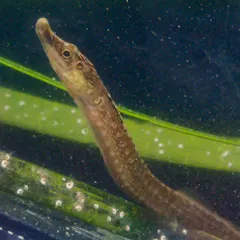
Environmental DNA like skin cells, blood and faeces can be extracted from water, soil, ice or air to provide a good snapshot of an ecosystem.

Rivers are among the most embattled ecosystems on Earth. Researchers are testing a new, inexpensive way to study river health by using eDNA to count the species that rivers harbor.

Determining the age of fish has been historically difficult, primarily involving lethal methods. A new DNA test solves this problem.

Technology that can identify stray bits of genetic material in the environment can help scientists monitor human and animal health.
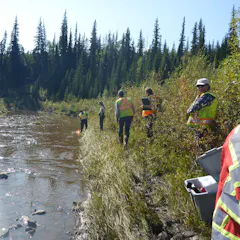
In Canada, watersheds are vast and often inaccessible, making it difficult to monitor the health of these ecosystems. A new tool helps communities collect data to assess the state of Canada’s rivers.
Top contributors
-

Leader, Environomics Future Science Platform, CSIRO
-
Postdoctoral associate, University of Florida
-
Honarary Professor in Environmental Genomics, University of Otago
-
Professor of Environmental Genomics, Curtin University
-
Adjunct Research Scientist in Marine Bioscience, University of Florida
-
Senior Research Scientist in Marine and Estuarine Ecology, Southern Cross University
-
CSIRO
-
Adjunct Senior Research Scientist, The University of Melbourne
-
Senior Research Associate in the Program for the Human Environment, The Rockefeller University
-
Visiting Postdoctoral Researcher in Philosophy, USC Dornsife College of Letters, Arts and Sciences
-
Research Fellow, Environment & Life Sciences, University of Salford
-
Professor in Molecular Ecology, Bangor University
-
Professor of Marine Biodiversity, Liverpool John Moores University
-
Postdoctoral Research Associate at the School of Biosciences, Cardiff University
-
Senior Lecturer in Evolutionary Biology, University of Hull