

Examining Austen as a radical genius misunderstands her art and misrepresents the imperial culture that she was part of.
Articles on English literature
Displaying 21 - 40 of 156 articles
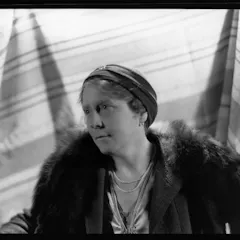
Set in a fictionalised Bristol, William explores the pressures of class, gender and modernity.
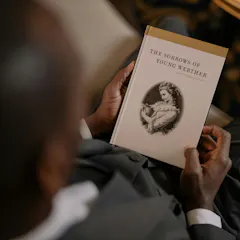
School can turn classic books into a chore. Rereading Eliot or Austen or Shakespeare as we grow older, we can see how we have grown as imaginative, moral beings.
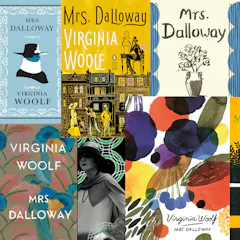
Virginia Woolf’s classic Mrs Dalloway was revolutionary for its challenge to the novel form and its representation of time.

Analysing over 25 years of VCE lists revealed a rising proportion of works addressing social justice, identity, postcolonial perspectives and environmental themes.

Our Evenings is concerned with people who try to fit in, but whose experience of British life is marginal, whether on account of class, race or sexuality.
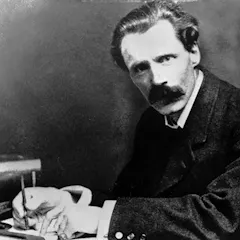
Amid the rise of vegetarianism in late 19th-century London, George Gissing used meat-free characters to probe themes of poverty, morality and social contradiction.
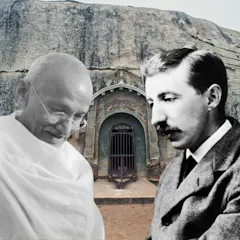
E.M. Forster’s motto was “only connect”. But what if the colonised and the coloniser cannot understand each other in any way?

The advantages of being a part of a family are so obvious that losing that affiliation, intentionally or not, is tragic.

Considered the greatest writer in English literature, William Shakespeare illustrates views on race and whiteness throughout all of his dramatic works.
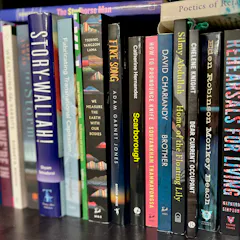
When teachers are self-aware of how their identities impact their values, beliefs and experiences, they are better prepared to help students build bridges between their lives and literature.
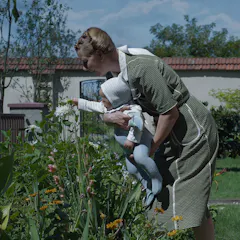
In The Zone of Interest, Martin Amis represents our familiar world from a radically unfamiliar angle.

Encouraging men to take the risk of expressing tender feelings for others is part of relying on love as a tool of anti-racist and decolonial education.

Miss Americana has been discussed in English literature classes for some years now – sometimes alongside Shakespeare.

In Byatt’s fiction, northern locations become emblems of the climate crisis and of how human actions have detrimental effects on the whole planet.
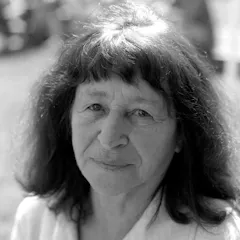
Bernice Rubens won the 1970 Booker prize for her novel, The Elected Member, and is the only Welsh person to have ever won the prize.
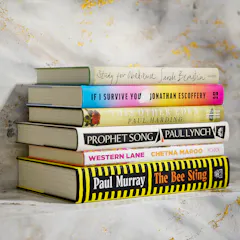
From a longlist of 12, six novels have been shortlisted for the 2023 Booker prize.
These five works of Welsh gothic literature will not only help you explore Wales through the macabre but are likely to give you a good scare too.
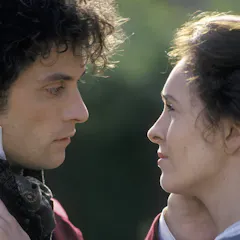
In George Eliot’s masterpiece of 19th century realism, characters are confronted with the limits of their individual capacities and visions.

Martin Amis’s writing style was instantly recognisable: caustic and savagely funny with a sense of pathos. His death at 73 marks the end of an era.
Top contributors
-

Senior Lecturer (English and Drama), Australian National University
-
Professor in Politics and Journalism, University of Notre Dame Australia
-
Lecturer in English Literature, University of Oxford
-
Research Fellow at the Faculty of Business and Creative Industries, University of South Wales
-
Associate Professor, Literature, Western Civilisation Program, Australian Catholic University
-
Professor of Contemporary Literature, University of Reading
-
Professor of Fantasy and Children's Literature, Co-Director, Centre for Fantasy and the Fantastic, University of Glasgow
-
Professor of Print and Digital Cultures, Cardiff University
-
Professor of English and University Orator, Birmingham City University
-
Senior Lecturer School of Arts and Humanities, Edith Cowan University
-
Senior Lecturer in English, University of Tasmania
-
Lecturer in English Literature, University of Glasgow
-
Adjunct Associate in English, Flinders University
-
Lecturer in English Literature, 1350-1660, University of Sussex
-
Senior Lecturer in Film Studies, University of Sheffield