

Keeping aging coal plants open, building new gas plants and choices about pollution controls affect electricity bills. Pollution adds health costs and climate damage that may not appear on those bills.
Articles on Energy bill
Displaying 1 - 20 of 34 articles

The problem of high energy prices and rising numbers of people unable to afford them isn’t lost on the Trump administration.
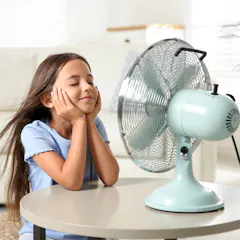
Use electric fans as your first cooling strategy, and only turn on the aircon when the indoor temperature exceeds 27°C.
In states with competition between retailers, the energy regulator is promising savings for most customers on the default plan. But it’s small change compared to price hikes. Here’s what to expect.

Thinking about getting your home off gas, but don’t know where to begin? Here’s a few handy tips to get you on your way.

A new report from the Grattan Institute shows most households can save thousands of dollars by getting off gas and switching to electric appliances.

Reducing gas use in our homes will help avoid energy price hikes. But where is the best place to start?

Cutting a home’s energy waste starts with stopping the leaks. Energy-efficient appliances and windows can make a difference, too.

Millions of people will risk their health to afford heating and electricity in the months ahead.
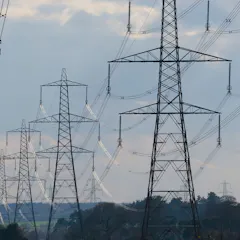
Failure to make the most of Britain’s abundant renewables will mean a costly and unreliable energy supply.
A home energy efficiency drive can shield households from mounting gas and electricity bills.
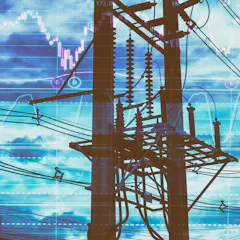
The cost of decarbonising the UK’s energy system is falling disproportionately on the poorest.
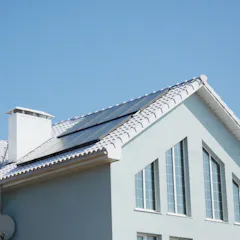
Housing currently accounts for almost one-fifth of the UK’s annual carbon emissions.
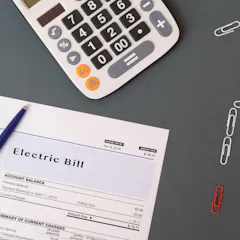
With electricity bills becoming more complicated, it’s increasingly difficult for customers to know if they are getting a good deal.
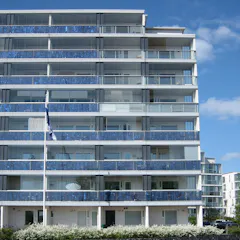
Not everyone can afford to pay for solar panels up front, but local planners can help disadvantaged households overcome energy poverty in several ways.
Price caps don’t cut it – but community ownership can help solve the energy problem and make people more resilient.

Energy firms should compete over the ‘stickiest’ customers, who won’t switch suppliers.

As the weather heats up, Australian households won’t just be cranking up the air conditioning for themselves. Some households will also be turning it on for their dogs or cats.
It’s not just about finding money for things like solar panels – poorer households can also find it harder to gain access to reliable information about the green energy options they do have.
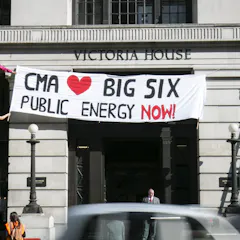
A major report on why energy bills are so expensive was published the day after the vote for Brexit.
Top contributors
-

Associate Professor of Strategy and Sustainability, Warwick Business School, University of Warwick
-
Senior Industry Fellow, Environment and Planning, RMIT University
-
PhD Researcher, University of Exeter
-
Energy Advisor, formerly, The University of Melbourne
-
Emeritus Professor, Norwich Business School, University of East Anglia
-
PhD Student, London School of Economics and Political Science (LSE), London School of Economics and Political Science
-
Professor, Emerging Technologies Research Lab, Monash University, Monash University
-
Professor and Director, Australian School of Architecture and Design, UNSW
-
Professor of Economic Development, University of Hertfordshire
-
Professor of Resources and Environmental Policy, UCL
-
Senior lecturer, University of Manchester
-
Professor and Director, Victoria Energy Policy Centre, Victoria University
-
Head, Warwick Business School Global Energy Research Network, Warwick Business School, University of Warwick
-
Research Fellow, Centre for Urban Research, RMIT University
-
Senior Research Fellow, City Futures Research Centre, UNSW Sydney, UNSW