
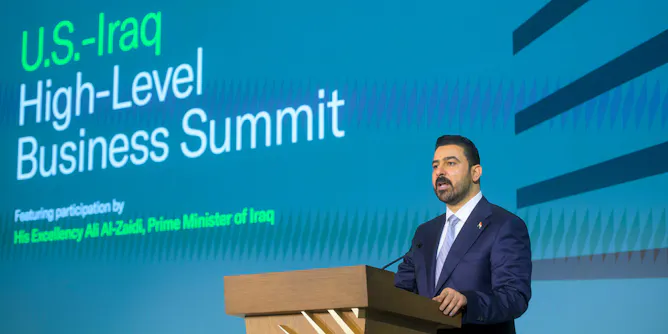
Iraq has pursued friendly relations with many countries who are themselves at odds. The strategy has lots of upside for war-torn Iraq – but holds key risks as well.
Articles on Energy
Displaying 21 - 40 of 234 articles
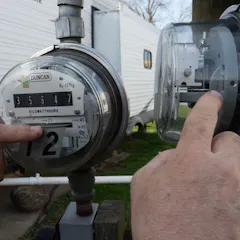
Setting a price for power might seem straightforward, but in reality it’s extremely complicated – and residential customers have very little influence in the decision.
There are opportunities at every level of the US energy market to save consumers money – if governments, companies, communities and individuals choose to act.

Electric utilities don’t make money from selling power to customers, but instead profit from investments in power plants, wires, substations and other equipment.
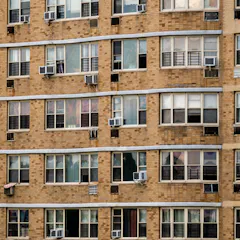
Permanently installing a heat pump system in a building is expensive. But new window units can deliver many of the benefits with far less cost and go with renters when they move.
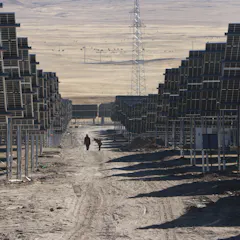
China’s national government policies on energy and economic development are changing pastoral life on the Tibetan Plateau.
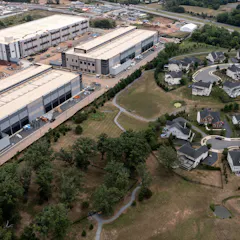
Even as they create and enable expansive virtual worlds, data centers are physical buildings in real communities around the nation and the globe.
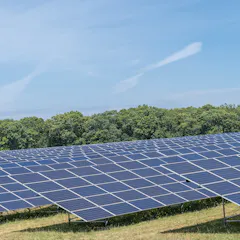
Generating solar power requires a lot of land – but which land should it be? And what else can be done on that land?
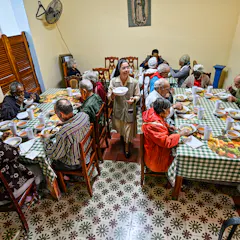
The timing of the offer was thorny because it coincided with the US indictment of former Cuban President Raúl Castro.

Short-term humanitarian aid won’t go far in alleviating Cuba’s long-term energy crisis.

Suspending the federal gas tax, which would require Congress to agree, would drop gas prices only about 4% – less in high-cost states like California.
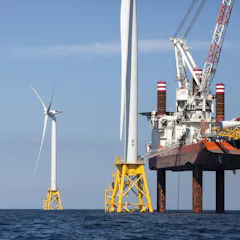
Communities have been laying the groundwork for offshore energy projects for years and counting on the jobs and energy supply.

The Supreme Court limited the ability of people to sue government contractors in state courts.
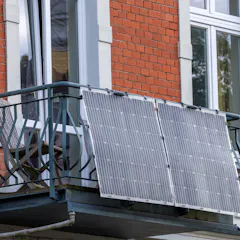
Small-scale solar panels usable by renters and without rooftop installation can boost renewable energy use and reduce the effects of high electricity prices.

As US gas prices climb, politicians are looking at ways to lower them. An economist breaks down what does − and doesn’t − move the number on the sign at the gas station.
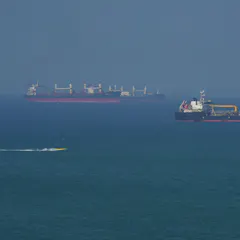
US sanctions on foreign nations have lost some of their power to influence the behavior of other nations – with increasing costs for the US to boot.
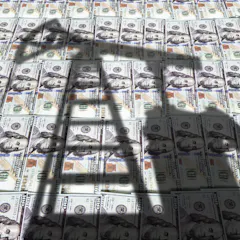
Who gets all that cash, and what do they do with it?

Households once confident they could afford energy costs are at risk of falling behind on their bills and are making hard trade-offs to keep the lights on.
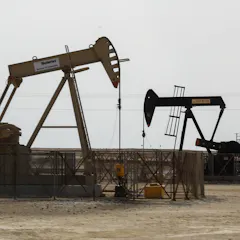
For sheer abundance and ease of production of oil and natural gas, it simply doesn’t get any better than the Persian Gulf region.

Fertilizer is more expensive and in shorter supply. Without the right amounts of fertilizer at specific times, yields drop, food prices increase and food shortages result.
Top contributors
-

Professorial Fellow, University of Canberra
-
Senior Fellow in Energy and Climate Change, Grattan Institute
-
Professor and Director, Victoria Energy Policy Centre, Victoria University
-
Professor of Transport Technology and Sustainability, Swinburne University of Technology
-
Professor of Law, Deakin University
-
Professor, School of Economics, The University of Queensland
-
Senior Industry Fellow, Environment and Planning, RMIT University
-
Senior Research Associate, Renewable Energy & Energy Systems Analyst, UNSW
-
Research Associate, Institute for Climate Risk and Response, UNSW
-
Lecturer in International Studies, University of Washington
-
Professor of Sustainability, Curtin University
-
Professor of Engineering, Australian National University
-
Adjunct Professor in Sustainability, The University of Western Australia
-
Professor of Public Policy and Director of the Payne Institute, Colorado School of Mines
-
Climateworks Centre Country Lead, Australia, Monash University