

We must know people as they would like to be known, not as some dominant power has decided we shall know them.
Articles on Empathy
Displaying 161 - 180 of 194 articles

With more demand on doctors and nurses and a push for quicker consultations, clinical empathy is being dwarfed by the need for efficiency.

For over two decades, psychologists and communication scholars have been seriously studying the degree a person is able to correctly understand another’s unsaid thoughts or feelings.
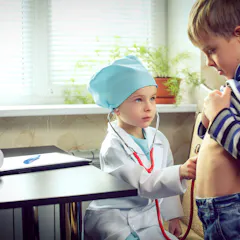
Some people are good at understanding the emotions of others but not at feeling them or commenting on them. So can we teach people the parts they lack?

Empathy is associated with being drawn to the arts, but do they actively promote it or merely appeal to already sensitive souls?
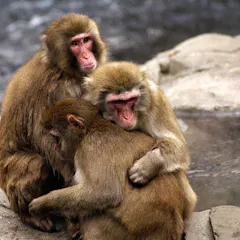
While we need empathic skills to relate to others sometimes, too much empathy can be a bad thing.
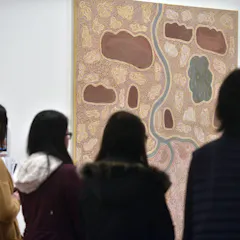
Can empathy be taught to students in the healthcare professions? A groundbreaking project is using visual art to ensure they pay attention to the whole person, not just the disease.
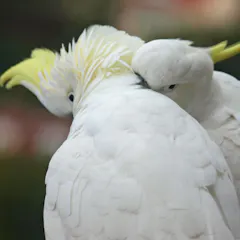
For a long time it was not believed that animals were even capable of feeling pain, let alone complex emotions. We now know that is far from the truth.
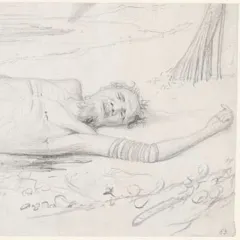
The English navigator had a habit of fair-mindedness. But did it affect the way he related to local Aboriginal people as he circumnavigated Australia?

If police officers are sent to museums to train observational skills, shouldn’t literary texts be used to teach empathy?

After such a difficult political experience, empathy is the key not only to feeling connected, but feeling understood – and understanding others.

Universities are so busy trying to make ends meet that there’s no time to listen to their communities’ stories. It’s crucial to develop safe spaces where tough conversations can happen.
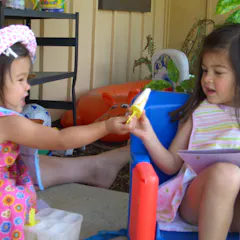
Children feel sympathy for others from an early age. Two development psychologists explain how children can learn, based on feelings of sympathy, how to act more thoughtfully.

People who are compassionate may be ‘rewarded’ by experiencing pleasure from sad music.

A different approach to children’s behaviour could improve relationships and resilience.

People who experience trauma often don’t discuss it until long after the incident has occurred. A lack of empathy is part of the reason.
Why we can’t help feeling affection for babies, puppies, dolls, teddies and even miniature products.
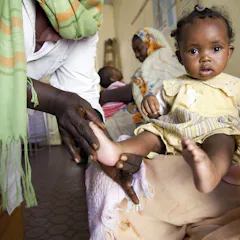
Many medical disciplines have started encouraging their students to embrace lessons from the arts and humanities. Physiotherapy is lagging behind.

With vast numbers of people migrating around the world, understanding how racial tolerance is created – and encouraging more of it – is more important than ever.
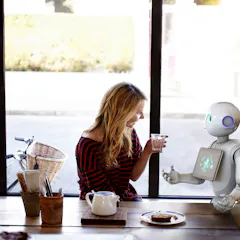
Building genuine empathy into artificial intelligence is harder than it looks. It might be a while before we see the genuine article in robots.
Top contributors
-

Professor and Director of the Stoneygate Centre for Excellence in Empathic Healthcare, University of Leicester
-
Professor, Canada Research Chair in Determinants of Child Development, Owerko Centre at the Alberta Children’s Hospital Research Institute, University of Calgary
-
Lecturer in Psychology, King's College London
-
Senior Lecturer in Psychology, Leeds Beckett University
-
Associate Professor of Psychology, University of Bath
-
Associate lecturer, University of Sussex
-
Reader in Leadership, School of Business and Creative Industries, University of the West of Scotland
-
Assistant Professor of Psychology, Pomona College
-
Honarary Research Fellow in Psychology, Australian Catholic University
-
Associate Professor of Psychology, University at Albany, State University of New York
-
Atkinson Chair of Early Child Development and Education and Director of the Atkinson Centre, University of Toronto
-
Associate Professor at the Institute for Social Neuroscience in Melbourne, Australia, The University of Melbourne
-
Professor of Developmental Psychopathology, University of Cambridge
-
Associate Professor of Psychology and Senior Research Associate in the Rock Ethics Institute, Penn State
-
Adjuct Faculty University of Guelph, Former Chair, Early Childhood Studies and Founder of The Love Model Inc.