
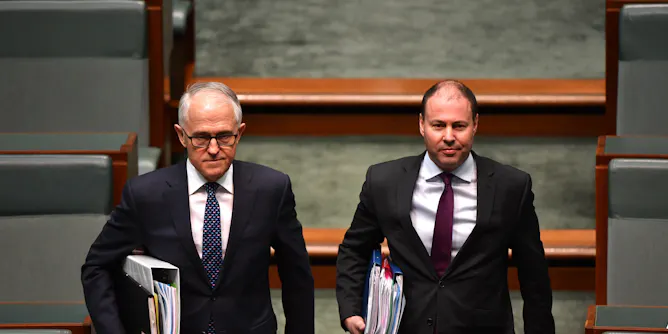
Prime Minister Malcolm Turnbull has abandoned the emissions-reduction component of his signature energy policy, in the latest chapter of a brutal decade-long saga for Australian climate policy.
Articles on Emissions trading
Displaying 21 - 40 of 65 articles
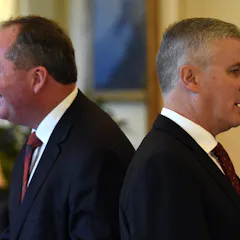
Barnaby Joyce had a long history of opposing climate action. His successor Michael McCormack seems to think the same way, despite climate being a growing threat to the Nationals’ rural voters.
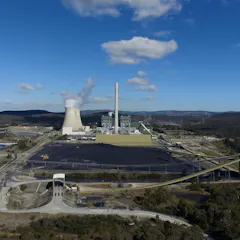
The National Energy Guarantee proposal seems geared towards locking in the status quo rather than driving the much-needed energy transition.
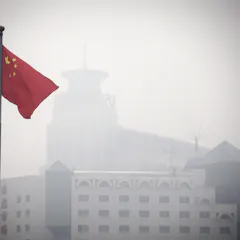
While China launches its new energy market, Australia is still lagging behind in implementing a mechanism to control carbon emissions

Liberal MP Craig Kelly said businesses and households in Australia are paying twice as much as Americans for their electricity. Is that true?
Why is everyone talking about ‘emissions intensity’ schemes this week?
The University of Canberra’s Nicholas Klomp and Michelle Grattan discuss the week in politics.
Ten years ago on Saturday Prime Minister John Howard announced the Coalition government would investigate an emissions trading scheme to reduce greenhouse gas emissions.
The Turnbull government has slammed the door shut on an emissions intensity scheme for the electricity sector, in a demonstration of the power of the conservative forces in the Coalition.
Labor has said it would introduce an emissions trading scheme for large emitters. PolicyCheck unpacks the detail and provenance of this proposed plan.
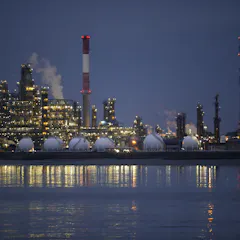
Even oil companies have started asking for a price on carbon, not least because it could help them avoid other, stricter forms of regulation.
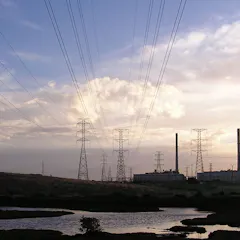
Australia used to have state-based emissions trading schemes, before they were ditched in favour of the now-abandoned national one. State premiers might say there’s no way to resurrect them, but there is.
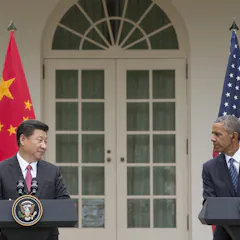
Chinese President Xi Jinping has made a landmark commitment on climate change, pledging to launch what will become the world’s largest and most important emissions trading scheme when it begins in 2017.
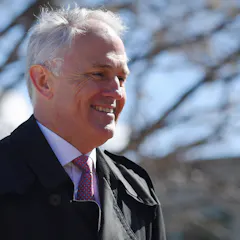
Malcolm Turnbull, it seems, cannot escape the emissions trading scheme (ETS) bogey. This time, it comes in the form of China’s plan – which had been foreshadowed but is now confirmed – to introduce a national…
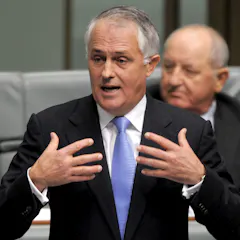
In backing Abbott’s existing climate policy, Malcolm Turnbull looks like appeasing his party. But his prospects would be better served by appealing to voters who are anxious for strong climate action.
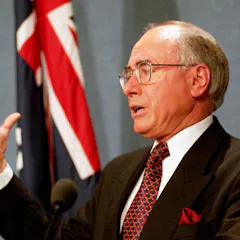
Australia’s government boasts of being one of the few nations to hit its Kyoto emissions target. But is it any wonder, when the Howard government successfully lobbied to make it almost unmissably easy?
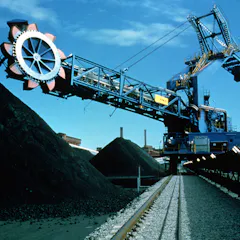
The Climate Change Authority has recommended Australia cut greenhouse gas emissions 30% below 2000 levels by 2025. While sensible, the government is unlikely to accept, and the target misses bigger opportunities to cut emissions.
A report from Australia’s Climate Change Authority recommends cutting greenhouse emissions by 30% by 2025 if the country is to be seen as a good global citizen in this year’s climate negotiations.

Climate change, now belatedly added to the agenda for this month’s G20 meeting in Brisbane, is a perennial topic whenever leaders gather for international summits. That’s understandable, given that countries…
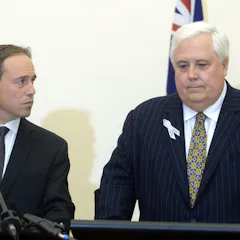
There’s little point in getting too excited just yet about the details of Direct Action and its merits (or otherwise) as compared with emissions trading. Why? Because all of the current debate about Australia’s…
Top contributors
-

Senior Fellow in Energy and Climate Change, Grattan Institute
-
Professor, Crawford School of Public Policy and Director, Centre for Climate and Energy Policy, Australian National University
-
Professorial Fellow, University of Canberra
-
Senior Industry Fellow, Environment and Planning, RMIT University
-
Professor, Climate | Policy | Sustainability, York St John University
-
Senior Research Fellow and Associate Professor, Melbourne Climate Futures initiative, The University of Melbourne
-
Former Visiting Fellow, SPRU, University of Sussex Business School, University of Sussex
-
Climateworks Centre CEO, Monash University
-
Professor of Public Ethics, Charles Sturt University
-
Director of the Climate Change Institute, Australian National University
-
Co-Director, Wellbeing Program, London School of Economics and Political Science
-
Honorary Professorial Fellow in Telecommunications, The University of Melbourne
-
Academic position - Research Associate at the Centre for Resources, Energy and Environmental Law, The University of Melbourne
-
Professorial Research Fellow in Economics, The University of Melbourne
-
Deputy Vice-Chancellor, Academic, University of Canberra