
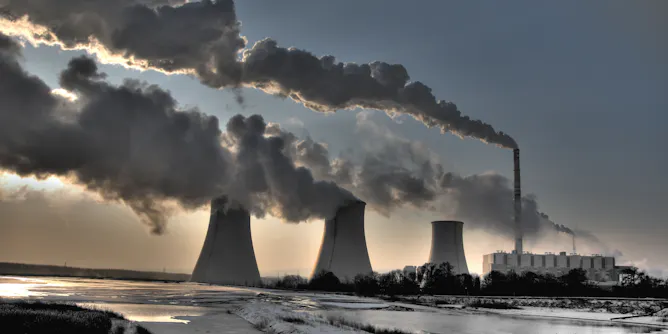
58 countries have submitted their climate targets ahead of international talks in Paris. We know the numbers, but not all efforts to combat climate change are equal.
Articles on Emissions targets
Displaying 81 - 100 of 115 articles
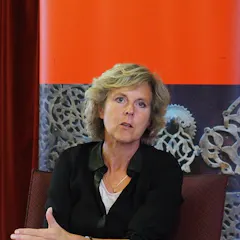
Connie Hedegaard, who chaired the 2009 Copenhagen climate summit, says the stakes are high for this year’s crunch talks in Paris, and that without a solid result, the process could begin to fragment.
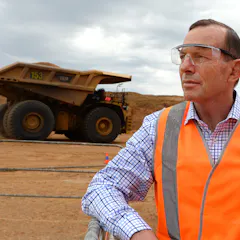
Australia’s failure to lead on climate action marks a stark shift in political priorities in the past decade. The government is all about immediate economic returns whatever the long-term costs.
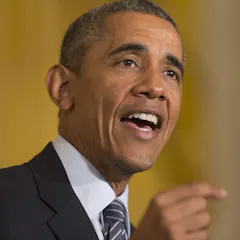
Much has been made of the domestic political roadblocks between US President Barack Obama and climate action. But by using existing treaties he can get around the hostile Congress and help cut global emissions.
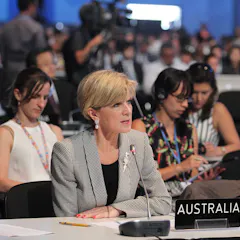
Countries that drag their feet on climate action have fewer places to hide these days. Rules brought in at the 2014 Lima talks require them not just to set targets, but to publicly justify them too.
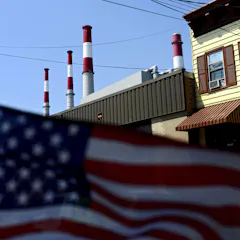
President Obama’s new targets for emissions from electricity are a crucial step towards a credible US climate policy. And where the United States leads, others are more likely to follow.
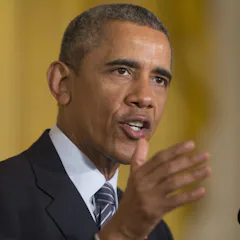
US President Barack Obama’s new climate plan aims to cut greenhouse emissions from the nation’s coal-dominated power sector by 32% by 2030. Will it get through, and how will it affect this year’s climate talks?
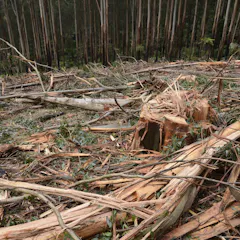
The Renewable Energy Target now includes wood waste from forestry. But a more sustainable use of Australia’s native forests would be to leave them alone and earn carbon credits from the avoided emissions.
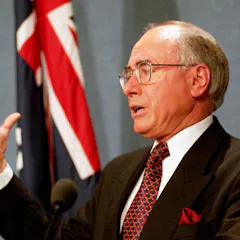
Australia’s government boasts of being one of the few nations to hit its Kyoto emissions target. But is it any wonder, when the Howard government successfully lobbied to make it almost unmissably easy?
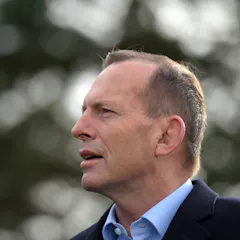
Prime Minister Tony Abbott has described other countries’ emissions reduction targets as “airy-fairy promises that never come to anything.” How does that statement stack up against the evidence?
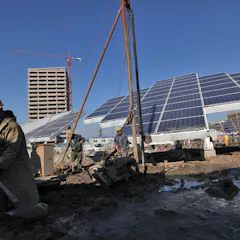
China’s formal climate target shows that the world’s largest greenhouse emitter is determined to green its economy on an unprecedented scale - and that it can bring the rest of the world along for the ride.
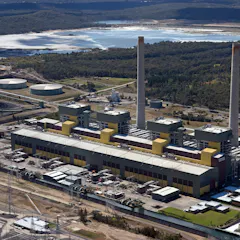
The Australian Climate Roundtable unites business, environmental and social groups in calling for a strong climate policy. This unprecedented show of unity might even break down Canberra’s climate stalemate.

For the first time, a court has ordered a government to strengthen its climate targets. It’s a watershed, not just for the Netherlands but potentially for countries such as Australia whose targets have been criticised.

Greenhouse emissions from the aviation industry are still largely unregulated. The prospect of regulations for US flights sounds like progress, but it won’t happen without an elusive international consensus.
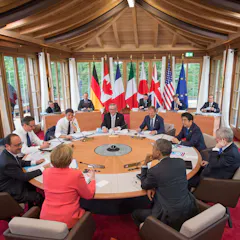
Advocates of climate action have been saying it for years - we need to wean ourselves off fossil fuels completely. And now, the leaders of the world’s richest countries have started saying the same.
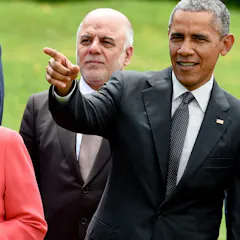
G7 leaders have pledged to help end the world’s fossil fuel use by the end of the century. It’s a laudable aim, but decarbonisation can and should be done by the middle, not the end, of this century.
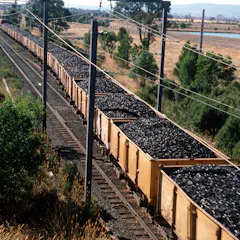
Australia’s grilling by other major nations at this week’s climate talks in Bonn show that it still has serious questions to answer over the scope of its greenhouse emissions-reduction targets.
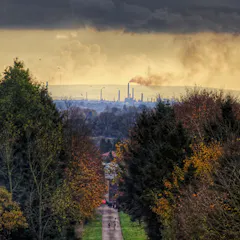
Why we should look at emissions based on consumption rather than geography.
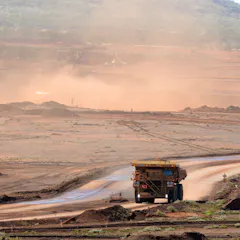
Amid talk of paths to surplus and investing in infrastructure, both sides of politics seem to have forgotten Australia’s longstanding responsibility to govern sustainably, and not just for the economy.
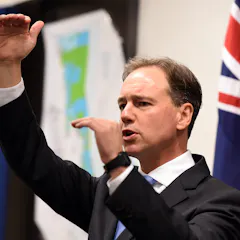
Environment minister Greg Hunt hasn’t asked for any more money for the Emissions Reduction Fund. So what is actually in the budget, as far as climate change is concerned?
Top contributors
-

Professor, Crawford School of Public Policy and Director, Centre for Climate and Energy Policy, Australian National University
-
Senior Research Fellow and Associate Professor, Melbourne Climate Futures initiative, The University of Melbourne
-
Former Visiting Fellow, SPRU, University of Sussex Business School, University of Sussex
-
Professor of International Relations, The University of Queensland
-
Professor of Public Ethics, Charles Sturt University
-
Senior Fellow in Energy and Climate Change, Grattan Institute
-
A/Prof., School of Earth Sciences, The University of Melbourne
-
Honorary Associate Professor, The Crawford School of Public Policy, Australian National University
-
Postdoctoral Research Associate in Existential Risk, University of Cambridge
-
Professor Emeritus, Macquarie Business School, Macquarie University
-
Honorary Fellow, The University of Melbourne
-
Associate Professor, The University of Western Australia
-
Senior Research Fellow, School of Geography, Earth and Atmospheric Sciences, The University of Melbourne
-
Faculty of Law, The University of Western Australia
-
Academic position - Research Associate at the Centre for Resources, Energy and Environmental Law, The University of Melbourne