

Fish bones are among the most common reasons people end up in the emergency room.
Articles on Emergency rooms
Displaying all articles

The rate of suicide attempts in children and adolescents increased by 22 per cent during the pandemic compared to before the pandemic.
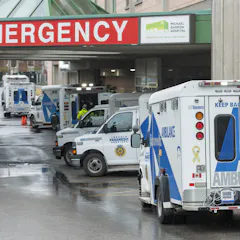
Ambulance response times have not always met targets, but the alarming new pinch point in our health-care system is that there are no ambulances at all available to respond to calls.
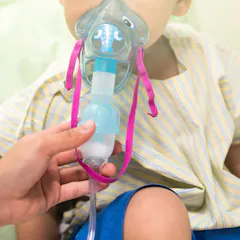
As visits to emergency departments surge — and in some cases overwhelm hospitals — here are answers to frequently asked questions about Respiratory syncytial virus (RSV).

Family physicians are on the frontline of health care, and their observations and support can help us get through the upcoming winter season.

The future of our health system depends on recruiting and retaining passionate and highly skilled health-care workers. It’s essential to build work environments where they feel supported and safe.

Delirium doesn’t just harm vulnerable seniors. It prolongs hospital stays, ties up beds and clogs emergency rooms. Mandating senior-friendly hospital care protects patients and the health-care system.
In a well-functioning health care system, the emergency room would be able to meet the needs of all of its patients in a timely manner.
Emergency rooms wait times are notoriously long, sometimes even for the sickest patients. A new study shows that the long wait times are driving up health care costs.

A doctor explains how he introduces mindfulness to self-harming youth in the emergency room.

A hospital’s trauma unit witnesses the extreme of physical injury and pain during the holiday season. Here’s a snapshot of what we see.

A new study exploring the number of alcohol-related injuries treated at Sydney emergency department has found the lockout seem to be having an impact.
Nearly half of the surveyed patients who had used after-hours doctor services reported they would have attended an emergency room had an after-hours GP been unavailable.
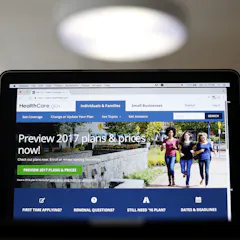
The Affordable Care Act gets blamed for many health care ills, but here’s one condition that it should not be blamed for.

One-third of outpatient care is for an immediate medical issue. Yet these services – known as acute care – are part of a fragmented, bewildering system. Here is how you change that.
Top contributors
-

Assistant Professor, Department of Emergency Medicine, University of Michigan
-
Professor of Anatomy, Lancaster University
-
Professor of Emergency Medicine and Internal Medicine, The Ohio State University
-
Associate Professor, Griffith University
-
Director, Institute for Healthcare Policy and Innovation, University of Michigan
-
Diana Egerton-Warburton is a Friend of The Conversation.
Professor, Monash University
-
Associate Professor (Operations & Healthcare), The Ohio State University
-
Adjunct Assistant Professor, Department of Family Medicine, Queen's University, Ontario
-
Associate Professor, Family Medicine, Queen's University, Ontario
-
Assistant Professor of Economics, University of South Carolina
-
Family Physician, Assistant Clinical Professor (Adjunct), Department of Family Medicine, McMaster University
-
Anaesthesiologist and trauma consultant, The National Trauma Research Institute
-
Professor, Canada Research Chair in Determinants of Child Development, Owerko Centre at the Alberta Children’s Hospital Research Institute, University of Calgary
-
Tier 1 Canada Research Chair in School-Based Mental Health and Violence Prevention, L’Université d’Ottawa/University of Ottawa
-
Trauma Fellow & Emergency Physician, The National Trauma Research Institute