

A recent case involving a patient harmed in an overcrowded ED highlights the need for a fresh look at how NZ investigates clinical errors.
Articles on Emergency departments
Displaying 1 - 20 of 56 articles
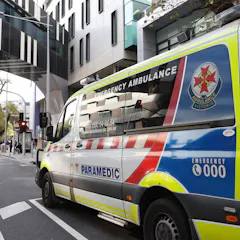
In an emergency, you can’t always use your private health insurance. And even if you do, you can face these out-of-pocket costs.
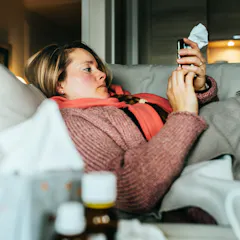
Sometimes you can’t wait wait until 9am or Monday morning to see a doctor or access health care. Here are your options.
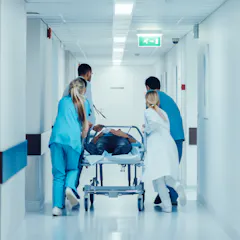
A new study shows AI beating doctors at triage. But is anyone ready to govern it safely?

The clinics have received millions of visits since they opened in 2023. But a recent report suggests not everyone can get the care they need, when they need it.
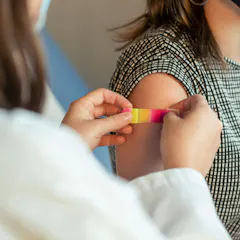
Despite overwhelming research showing that flu vaccines keep people out of hospital, fewer Canadians are getting vaccinated. Trust isn’t the only factor keeping people from getting the jab.
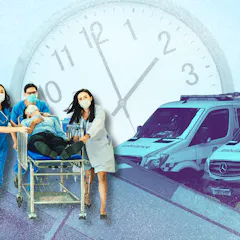
A decade ago, 74% of patients presenting to emergency patients were seen within the recommended time. Now it’s 67%. And the decline is similar for elective surgery.

Urgent Care Clinics are one of three options for people to get care without going to a hospital emergency department.
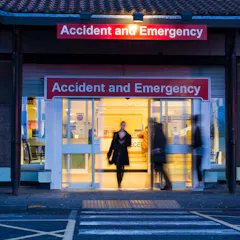
Health anxiety is real, common and costly – but healthcare has yet to catch up.
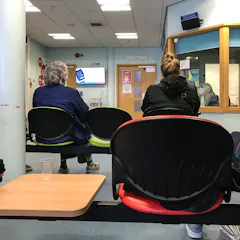
Hospitals are expensive and often traumatic places to provide mental health care.

People who are in distress and need support are often met with handcuffs, detention and are sent to hospital emergency departments.
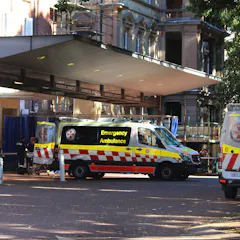
People with back pain are increasingly accessing emergency health care that isn’t required and may leave them worse off.

Medicare urgent care clinics were first set up in 2023. But are they meeting their objectives?

People with mental health conditions wait the longest in emergency out of any patient type. But psychiatrist shortages and a mass resignation in NSW may make people wonder where else to go.

Kids can be more vulnerable due to a combination of their behaviour and physiology.

Natural curiosity, developing motor skills, and a limited understanding of risk make for a dangerous combination.
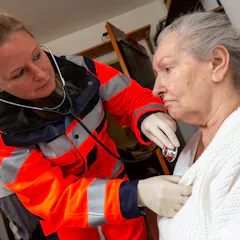
Training paramedics to provide home-based palliative care lets severely ill patients remain at home and takes pressure off emergency departments and the health system.
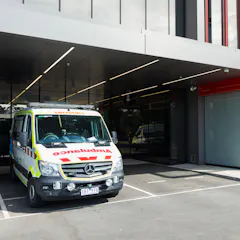
Governments must consider a range of short- and longer-term solutions to this problem.

Rural emergency departments can be busier than normal during school holidays. Plus they can be short-staffed. So please, save the ED for true emergencies.
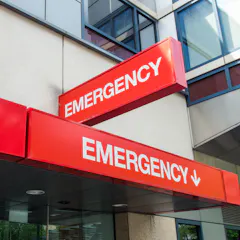
A virtual ED is typically staffed by emergency doctors, nurses and support staff who can assess patients’ symptoms, provide medical advice, and direct care to the right place.
Top contributors
-

Professor of Health Economics, Flinders University
-
Professor and Director, Macquarie University Centre for the Health Economy, Macquarie University
-
Emeritus Professor, School of Public Health, Queensland University of Technology
-
Professor, School of Epidemiology and Public Health, L’Université d’Ottawa/University of Ottawa
-
Head, Discipline of General Practice, University of Tasmania
-
Reader in Primary Health Care, University of Bristol
-
Associate Professor of Medicine, Professor of Health System Innovation, Division of Respiratory Medicine, Western University
-
SHARP Professor, Vitalities Lab, Centre for Social Research in Health and Social Policy Centre, and the ARC Centre of Excellence for Automated Decision-Making and Society, UNSW
-
PhD in Management (concentration in Health Systems), L’Université d’Ottawa/University of Ottawa
-
Professor of Health Sciences, RMIT University
-
Early Career Development Fellow in Addiction Medicine, University of Sydney
-
Adjunct Lecturer (Clinical), Medicine, James Cook University
-
Research Fellow, Health Economics, University of Tasmania
-
Associate Professor and Director, Psychological Services, College of Medicine,, University of Florida
-
Honorary Enterprise Professor, School of Population and Global Health, and Department of General Practice and Primary Care, The University of Melbourne