

The outlook for the tobacco industry is uncertain. This is unlikely to change.
Articles on Electronic cigarettes
Displaying all articles

Vaping is more common than cigarette smoking among young people but there are a variety of risks to users.

If the scheme isn’t successful, some people may continue using illicit vapes, or to switch to traditional cigarettes.

In the 1980s and 90s, legal action and awareness helped shift attitudes to tobacco smoking. We have laws against vaping in smoke-free places but the attitude shift is lagging.
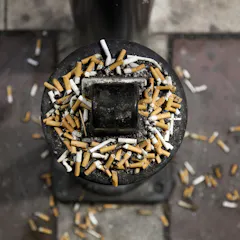
The proposed standard would lower the nicotine content in cigarettes and cigars by 95% – a public health proposal that could prevent millions from becoming smokers in the first place.

The health risks of e-cigarettes outweigh any benefits, a comprehensive review of the evidence shows.
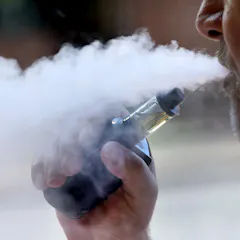
As vaping-related illnesses increase and deaths reported, an inhalation toxicologist explains why comparing the dangers of vaping to the dangers from cigarettes doesn’t make sense.

E-cigarettes are unsafe for children, but some e-cig companies are using cartoons, which have been shown to appeal to youth. Should restrictions be in place, as they are for traditional cigarettes?

E-cigarettes have proved a useful tool to stop many smoking, but they may have their own health problems too.
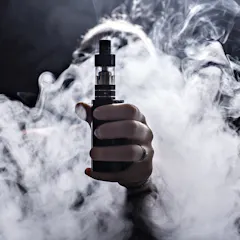
A chemist assesses the potential risks of electronic cigarettes.
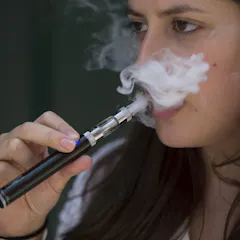
Looking for a gateway effect between e-cigarettes and smoking is understandable. But is it the best question to ask about e-cigarette use?

There are plenty of strategies to reduce tobacco use – especially in young people – that don’t go as far as a total sales ban.
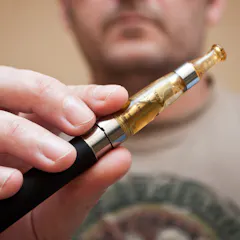
Australia’s ban on e-cigarettes is ethically murky. It’s a paternalistic policy that denies adult smokers the right to use a less harmful form of nicotine.
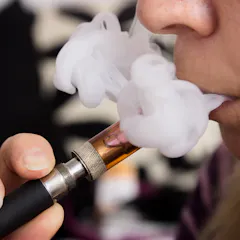
A study published today in the leading journal Addiction might just change everything for electronic cigarettes
Top contributors
-

Emeritus Professor, National Centre for Youth Substance Use Research, The University of Queensland
-
Professor, Biomedical Sciences, Swansea University
-
Senior Lecturer in Chemistry, University of Birmingham
-
Director, NHMRC Centre of Research Excellence on Achieving the Tobacco Endgame and ARC Future Fellow, The University of Queensland
-
Emeritus Professor in Public Health, University of Sydney
-
Professor of Community Health and Health Behavior, University at Buffalo
-
Senior lecturer, Deakin University
-
PhD Researcher, Swansea University
-
Professor of Genotoxicology and Cancer, Swansea University
-
Professor of Public Health Sciences and Psychiatry, Penn State
-
Research Affiliate, The University of Sydney, University of Sydney
-
Conjoint Professor of Nicotine Addiction, Avondale University and, University of Notre Dame Australia
-
Associate Professor of Social and Behavioral Sciences, Rutgers University
-
Professor of pediatrics, microbiology and immunology, and environmental sciences and engineering, University of North Carolina at Chapel Hill
-
Professor of Pharmacy, Swansea University