

Teen vaping offers a powerful lesson in how misinformation shapes behaviour.
Articles on Nicotine addiction
Displaying 1 - 20 of 23 articles

Introducing oral nicotine pouches risks exposing more young people to nicotine addiction and compounding the problems caused by vaping.

New Zealand seems unlikely to reach its stated goal of cutting smoking prevalence to 5% or less across all population groups.

Young New Zealanders, some who have never previously smoked, are now vaping at high rates. A new survey suggests many would back tighter nicotine-free policies.

Text message-based programming and the drug varenicline were the only 2 strategies that were shown to be effective for quitting vaping.
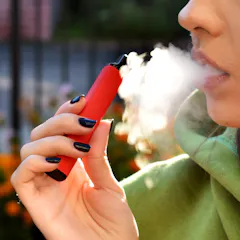
Many young vapers feel regret, guilt and intense self-blame for becoming addicted. A new study shows they feel stigmatised and hide their vaping to avoid judgement, increasing feelings of isolation.

Young people should be protected from taking up vaping but policies must be proportionate and reduce the appeal and addictiveness of both tobacco and vaping products.

Vaping is more common than cigarette smoking among young people but there are a variety of risks to users.

Here’s what to look for when you’re browsing for apps.

Vaping products are ubiquitous in New Zealand, sold through a growing number of stores. To reduce youth vaping rates, they need to be harder to access, less appealing and less addictive.

South Africa was once a leader in tobacco use control but has since fallen behind, and smoking prevalence has steadily increased.

In places around the world that lack restrictions to combat the problem, tobacco companies are using marketing strategies aimed at children, like displaying tobacco products at kids’ eye level.

The proposed standard would lower the nicotine content in cigarettes and cigars by 95% – a public health proposal that could prevent millions from becoming smokers in the first place.

From October 1, Australians will only be able to buy e-cigarettes containing nicotine if they have a prescription from a doctor. But there’s another evidence-based way to help more smokers quit.

Nearly a half-million Americans die every year from smoking and tobacco use. Might a little-used legal remedy save those lives?

Even as evidence of its adverse effects emerges, vaping is growing more popular among young people.

E-cigarettes are unsafe for children, but some e-cig companies are using cartoons, which have been shown to appeal to youth. Should restrictions be in place, as they are for traditional cigarettes?

A recent Cochrane review came to a surprising conclusion.

Vaping devices were designed as a clean way of delivering nicotine, to help people stop smoking tobacco. Now, with gummy bear flavours and celebrity endorsements, they are a serious public health problem.

E-cigarette usage among teens has surged. A tobacco control expert explains how flavors may be contributing.
Top contributors
-

Professor in Public Health, University of Otago
-
Associate Professor, Nuffield Department of Primary Care Health Sciences, University of Oxford
-
Assistant Professor of Health Promotion and Policy, UMass Amherst
-
Research Fellow in Public Health, University of Otago
-
Senior Research Fellow in Public Health, University of Otago
-
Director, NHMRC Centre of Research Excellence on Achieving the Tobacco Endgame and ARC Future Fellow, The University of Queensland
-
Research Associate, University of Calgary
-
Reader in Psychology, Edge Hill University
-
Professor, Department of Community Health and Epidemiology and Director, Saskatchewan Population Health and Evaluation Research Unit, University of Saskatchewan
-
Research Fellow, School of Public Health, The University of Queensland
-
Researcher in Public Health, Johns Hopkins University
-
PHD Student, Community Health and Epidemiology, University of Saskatchewan
-
Associate Professor of Health Equity, Deakin University
-
John M. Thompson Chair in Information Technology and Innovation and Professor, Western University
-
Specialist Scientist, Alcohol Tobacco and Other Drug Research Unit, South African Medical Research Council