

More teenagers are now smoking regularly than if pre-vaping smoking trends had continued, widening inequities for Māori and Pacific youth.
Articles on Teen vaping
Displaying 1 - 20 of 21 articles

Using vapes for more than two years and with nicotine concentrations above 3% is linked to higher dependence, making it more difficult to stop.

It’s a conundrum: While vaping can help some adults stop cigarette smoking, it also appeals to young people who may take up the habit.

New AI-based research suggests chemicals known for their negative health effects are produced in the most popular flavoured vapes. We need for tighter regulation on vapes – fast
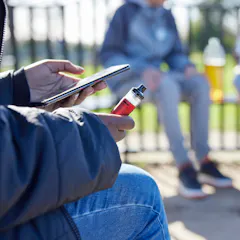
Vaping is more common than cigarette smoking among young people but there are a variety of risks to users.

THC concentrations in newly available products far exceed those of traditional smoked weed, which can have dangerous unintended consequences in adolescents.

South Africa’s vaping tax is not well-targeted to reduce consumption of vaping products by the youth.

How providing information on the health risks of vaping through expert advice and personal testimonies can help steer students away from using e-cigarettes.

Vaping products are ubiquitous in New Zealand, sold through a growing number of stores. To reduce youth vaping rates, they need to be harder to access, less appealing and less addictive.

Most teens got their vape from their friends. But of those who bought their own, one-third bought it at the servo, tobacconist or convenience store.

The nearly half-billion-dollar settlement orders Juul to tamp down its targeting of the teen market.
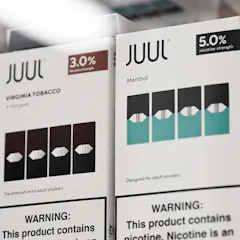
E-cigarettes are facing calls for complete bans on their sale. A tobacco addiction researcher explores the balance between vaping’s harm to teens and potential use as a tool for quitting smoking.

If the crisis worsens, more people will ask, how did this happen? The answer will be simple: governments made good laws, but they did not enforce them.

The health risks of e-cigarettes outweigh any benefits, a comprehensive review of the evidence shows.

Three tobacco-flavored cartridges and a vaping device have been approved by the FDA for sale in the US. It comes after a decadelong debate over e-cigarettes.
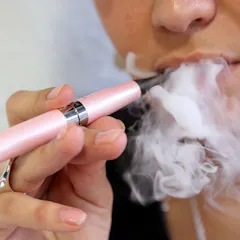
Despite being widely viewed as a safer alternative to tobacco, e-cigarettes aren’t harmless, especially to adolescents. But social media is rife with glossy content that makes vaping look fun and cool.

Even as evidence of its adverse effects emerges, vaping is growing more popular among young people.

The FDA has banned flavored e-cigarettes that appeal to kids. But new research shows that the danger of flavors could go beyond their appeal to kids. The flavorings themselves could cause damage.

Vaping devices cause deadly lung toxicity. Their marketing to children must be banned.

Vaping is under heavy scrutiny in the wake of six deaths and hundreds of illnesses. A product engineer who studies how people puff explains why the way users vape could be a clue.
Top contributors
-

Senior Biostatistician at the Daffodil Centre, Cancer Council NSW, University of Sydney
-
Associate Professor of Social and Behavioral Sciences, Rutgers University
-
Professor in Public Health, University of Sydney
-
Research Affiliate, The University of Sydney, University of Sydney
-
Assistant Professor of Health Promotion and Policy, UMass Amherst
-
Professor of pediatrics, microbiology and immunology, and environmental sciences and engineering, University of North Carolina at Chapel Hill
-
Research fellow, Curtin University
-
Professor in Public Health, University of Otago
-
Research Specialist, University of Michigan
-
Professor of Community Health and Health Behavior, University at Buffalo
-
PHD Student, Community Health and Epidemiology, University of Saskatchewan
-
Professor of Biological Sciences, University of Maryland, Baltimore County
-
Professor and Dean, School of Public Health, Georgia State University
-
Professor, Kinesiology, Western University
-
Professor of Pharmacy, Swansea University