

Two engineers explain how data center design, construction and operation can help the facilities support their communities.
Articles on Electricity usage
Displaying 1 - 20 of 29 articles
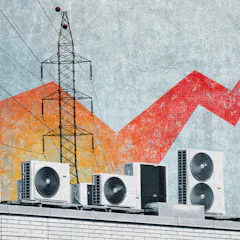
Energy projects are expensive and take a long time to build. Where to build them is often also a difficult, even controversial, question.
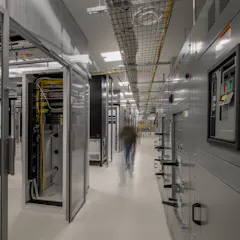
How many data centers will be built – and how much electricity they’ll need – is uncertain. Being prepared costs money, but so does being unprepared.
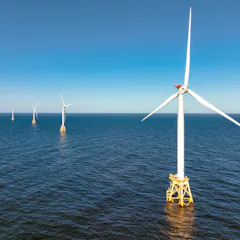
States take the lead on regulation of planning, site selection, leasing and other elements of offshore wind projects in the Great Lakes, though the federal government has a role as well.

If state regulators allow utilities to follow the standard approach of splitting the costs of new infrastructure among all consumers, the public will end up paying for data centers’ power.

Utilities have options for addressing surging power demand from AI data centers, but there’s no silver bullet.
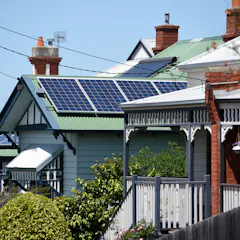
Think of single-phase power as a single-lane road. It’s enough to handle regular household appliances. Three-phase power is more like a three-lane highway. It’s designed to handle much heavier loads.
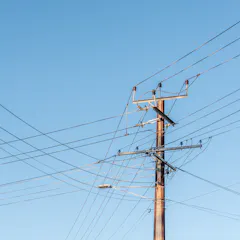
Increased investment in electricity generation, transmission and storage has led to a more positive outlook for the reliability of the system – if these projects are delivered on time.
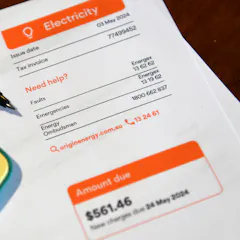
In theory, time-of-use pricing should nudge households to use electricity when it’s cheaper and more plentiful, saving on bills and grid costs. In practice, it isn’t working well for many households.

AI is everywhere these days, which means more data centers eating up more electricity. There’s no easy fix, but some combination of efficiency, flexibility and new technologies could ease the burden.
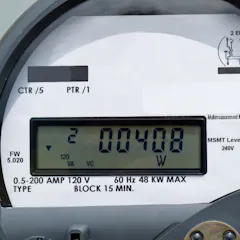
The amount of detailed real-time data a smart grid needs to manage the push for electrification and renewables presents challenges – but there’s an affordable solution.
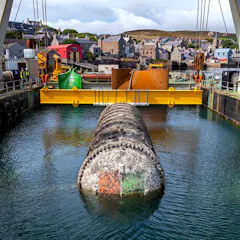
Could the data centres that power the internet be moved to the bottom of the ocean? It’s not as crazy as it sounds
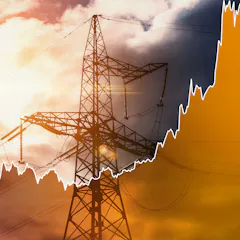
In some cases, adding a battery to your rooftop solar system will pay off. But to be sure of this, households need information about many factors – and there’s no single reliable place to find it.
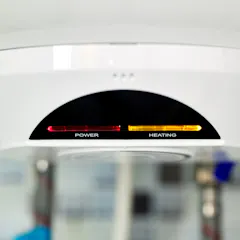
A heater with a 300-litre tank can store as much energy as a home battery at a fraction of the cost. Being able to store surplus solar energy at the right times helps grid stability and cuts emissions.

The ins and out of South Africa’s national power grid and why Eskom keeps tripping the switch.
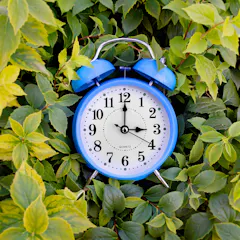
Spreading electricity demand throughout the day is much better for the environment.

As the UK heads into a recession, here are some simple - and cheap - tips to reduce utility bills and make less of an impact on the planet.
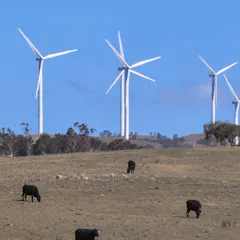
The transformation of the national electricity market has “progressed at a remarkable pace and scale” over the last year as it moves towards renewables, but security remains a critical issue.

Last year, it was estimated data centres around the world generated the same amount of carbon emissions as created by the global airline industry’s fuel usage.

You may already have a smart meter at home, which monitors your electricity use at 30-minute intervals. But until you can access that data yourself, you could be missing out on the best power deals.
Top contributors
-

Senior Industry Fellow, Environment and Planning, RMIT University
-
Senior Lecturer in Power Engineering, Edith Cowan University
-
Professor, Emerging Technologies Research Lab, Monash University, Monash University
-
Professor of Practice, Warwick Business School, University of Warwick
-
Industry PhD Candidate, School of Electrical and Mechanical Engineering, Adelaide University
-
Professor of Economics, University of Sussex Business School, University of Sussex
-
Senior Research Fellow, Australian Research Council Centre of Excellence for Children and Families over the Life Course, The University of Melbourne
-
Associate Professor of Law, University of Houston
-
Professor of Electrical and Computer Engineering, Boston University
-
Director of Energy Studies, University of Florida
-
Senior Research Associate, Renewable Energy & Energy Systems Analyst, UNSW
-
Professor of Practice in Energy Policy, The Fletcher School, Tufts University
-
Professor of Cyber Security Practice, Edith Cowan University
-
Deputy Director, Centre for Marine Ecosystems Research, and Associate Dean of Research, Edith Cowan University
-
Professor of Engineering, Australian National University