
Africa still needs millions of better-paying jobs and higher productivity to reduce poverty. What has changed is the route to achieving those goals.
Articles on Electricity supply
Displaying 1 - 20 of 34 articles
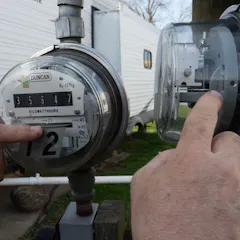
Setting a price for power might seem straightforward, but in reality it’s extremely complicated – and residential customers have very little influence in the decision.
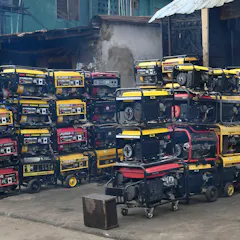
Nigeria’s electricity consumers are not simply paying for power, but for a system’s failure to deliver it.

A coalition of First Nations and organizations is advocating for changes to electricity regulations and laws in B.C. to give Indigenous communities more control over developing renewable electricity projects.
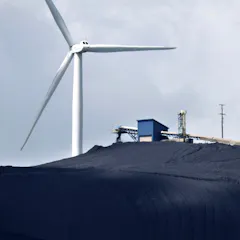
To really compare different electricity sources, you also have to look at the roles they play in keeping the lights on and their drawbacks.

Good roads, a reliable supply of electricity and proper water management are necessary for economic growth and job creation.
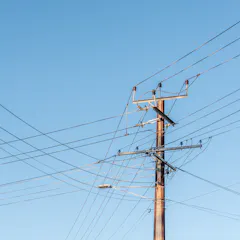
Increased investment in electricity generation, transmission and storage has led to a more positive outlook for the reliability of the system – if these projects are delivered on time.
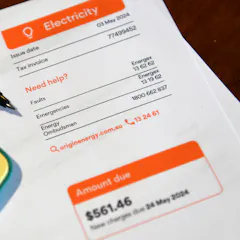
In theory, time-of-use pricing should nudge households to use electricity when it’s cheaper and more plentiful, saving on bills and grid costs. In practice, it isn’t working well for many households.

The need to limit output to the grid costs solar panel owners up to $4.5 million a year in South Australia alone. A bill of rights and responsibilities can make connecting to the grid fairer for all.

Australia has only scratched the surface of what’s possible when it comes to better managing energy demand.

The ins and out of South Africa’s national power grid and why Eskom keeps tripping the switch.
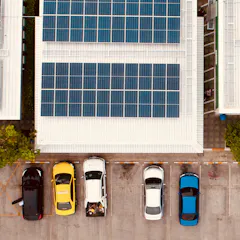
The electric vehicle transition is about more than just scrapping petrol cars. We must also ensure quality technology, anticipate the future and make sure no-one gets left behind.

Per capita electricity use was higher in the 1970s than today.
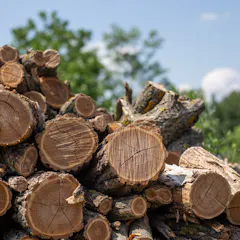
Rural people’s access to fuelwood isn’t determined by the availability of the wood, instead it’s controlled by power dynamics.
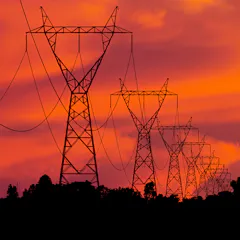
An official report on Thursday said blackouts are not expected this summer. But consumers will still have to pay through the nose to make the system more reliable.
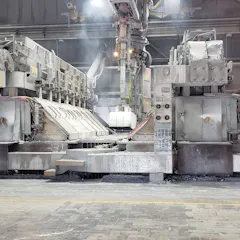
There are many possible outcomes from the closure of the smelter – just don’t expect lower electricity prices to be one of them.
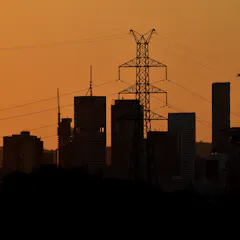
The rules governing Australia’s electricity market are more than 20 years old and no longer serve consumers, or climate action. But big energy companies are using COVID-19 to delay reform.

A recent ransomware attack on the UK electricity system shows this pandemic is also about computer viruses.
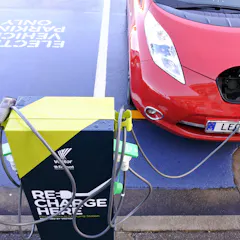
A switch to electric transport is one of New Zealand’s key climate strategies. It will increase demand on the national grid, but might also help increase renewable electricity generation.
Here’s how spinning metal can smooth out the spikes in renewable electricity generation.
Top contributors
-

Professor of Engineering, Australian National University
-
Senior Research Fellow, Australian Research Council Centre of Excellence for Children and Families over the Life Course, The University of Melbourne
-
Associate Member, Energy Policy Group, University of Exeter
-
Senior Economist and Associate Director of Social Science and Policy, University of Michigan Energy Institute, University of Michigan
-
Associate Professor, Binghamton University, State University of New York
-
Professorial Research Fellow, London School of Economics and Political Science
-
Director of Energy Studies, University of Florida
-
Professor of Dynamics, University of Nottingham
-
Professor at the Graduate School of Business, University of Cape Town
-
Assistant Professor, London School of Economics and Political Science
-
Director of the Leaders of Africa Institute and Research Affiliate with Davidson College, Davidson College
-
Research Fellow in Engineering, University of Nottingham
-
Professor in Engineering, Stellenbosch University
-
PhD Candidate in Land Economy, University of Cambridge
-
Research Associate in Grid Energy Storage, University of Nottingham