
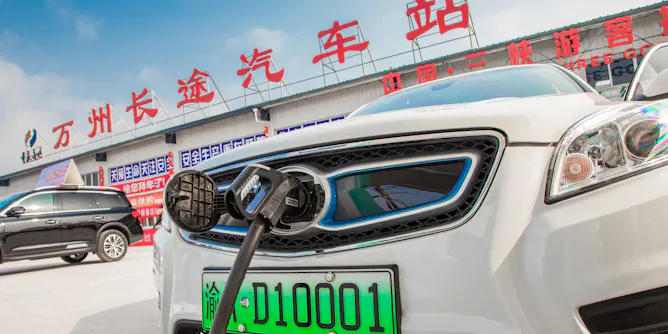
NIO’s innovative business model could point towards a bright future – if it can overcome key challenges
Articles on Electric vehicles (EVs)
Displaying 341 - 360 of 474 articles
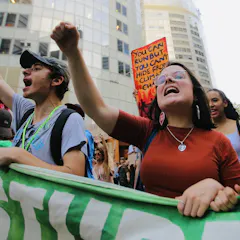
State governments, councils, researchers and entrepreneurs are slowing our slide to disaster – but they need others to step up.

Batteries power much of modern life, from electric and hybrid cars to computers, medical devices and cellphones. But unless they’re made easier and cheaper to recycle, a battery waste crisis looms.
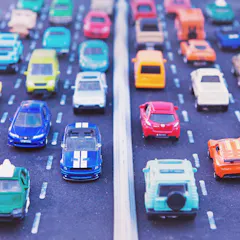
Life cycle assessments of electric vehicles show that they cannot fully eliminate the greenhouse gas emissions of personal travel. We also need bikes, buses and trains to solve our climate problems.
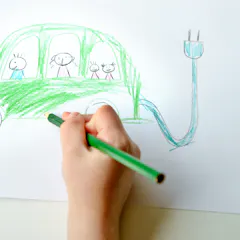
A used electric vehicle can be yours for well under A$20,000. But supply is limited and, like with any major purchase, there are potential pitfalls.
Drivers with long commutes who rarely charge their plug-in hybrid car are likely to emit much more CO₂ than official test figures suggest.

Coronavirus has changed the way we travel.
It seems likely we are going to need radical reductions in future ownership of private vehicles as we transition to cleaner transport.
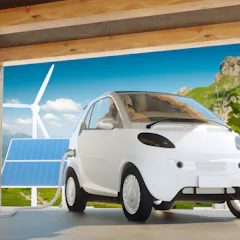
In the near future, we may see electric cars supplying power to smart grids or communities with their own independent microgrids.

We are now at the start of the sixth great wave in economic disruption, driven by renewables, electomobilty and smart-city technologies.
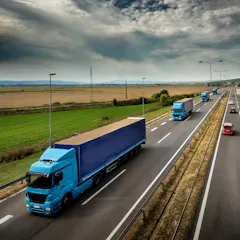
Electric vehicles can have a positive impact on the climate and air pollution levels, but governments should rethink how they electrify the transportation network.
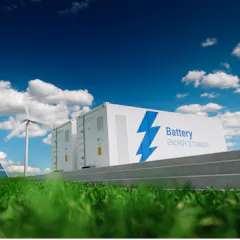
Grid-scale batteries could be at least double the cost of those in electric vehicles.
EVs will have lower sticker prices than gas vehicles when batteries are cheaper. Getting there comes down to knowing where to cut costs.
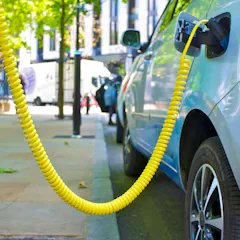
South Africa’s well positioned to adopt electric vehicles but this isn’t a solution in itself because the vehicles would still depend on electricity generated from carbon-emitting coal power stations.
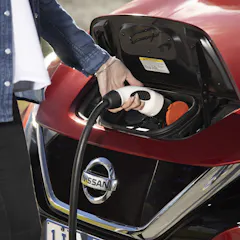
Electric vehicles are still relatively expensive but a trial to help them power the national grid in times of need could see owners being paid. That could make them a lot more attractive.

You can reduce your fuel consumption by 15-20% with improved driving habits alone – reducing emissions and saving money at the same time.
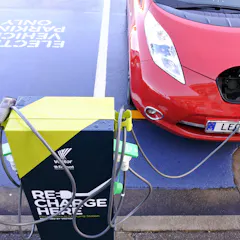
A switch to electric transport is one of New Zealand’s key climate strategies. It will increase demand on the national grid, but might also help increase renewable electricity generation.
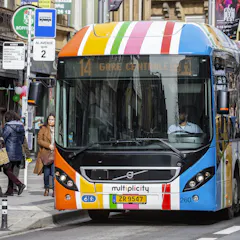
Fare free public transport exists in at least 98 cities and towns around the world.
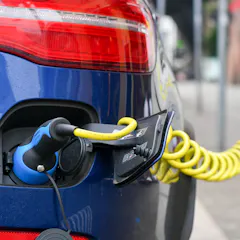
There’s still a long road ahead in the electric car revolution. But Australia can learn from New Zealand’s policies to boost electric car sales.
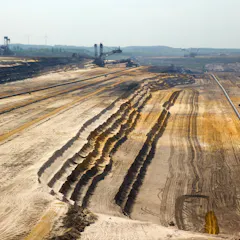
Plans to reduce emissions quickly are seductive but can stall. Climate initiatives should end dependence on fossil energy and pursue a path towards a more just and equitable society.
Top contributors
-

Professor of Transport Technology and Sustainability, Swinburne University of Technology
-
Senior Lecturer in Operations and Supply Chain Management, Anglia Ruskin University
-
E-Mobility Research Fellow, The University of Queensland
-
Professor, School of Economics, The University of Queensland
-
Professorial Fellow, University of Canberra
-
Adjunct Professor of Transport, University of Technology Sydney
-
Lecturer, School of Electrical Engneering and Computer Science, The University of Queensland; The University of Western Australia
-
Professor of Sustainability, Curtin University
-
Senior Lecturer, Griffith Business School, Griffith University
-
Senior Research Fellow, Collaboration on Energy and Environmental Markets, UNSW
-
Research Associate, Institute of Coding, Coventry University
-
Professor of Business and Sustainability, Cardiff University
-
Professor in Supply Chain and Freight Innovation, Swinburne University of Technology
-
Professor of Civil and Environmental Engineering, Rice University
-
Associate Professor and Principal Fellow in Urban Risk and Resilience, The University of Melbourne