
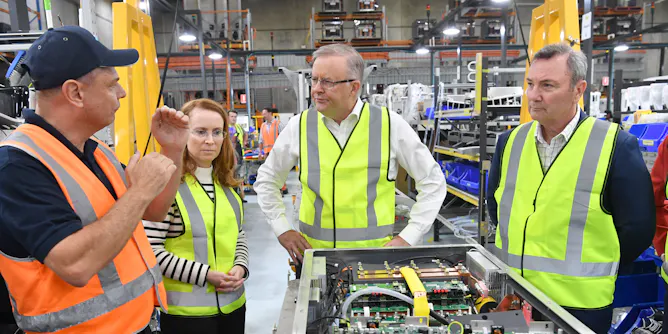
Anthony Albanese will promise a Labor government would deliver a discount to cut the cost of electric cars and install community batteries, in initiatives costing $400 million over several years.
Articles on Electric cars
Displaying 81 - 100 of 196 articles

Active travel can help tackle the climate crisis earlier than electric vehicles – even if you swap the car for a bike for just one trip a day.
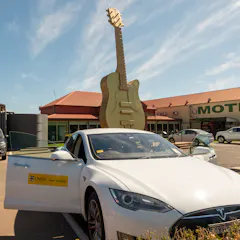
Australia has a lot of work to do to overcome the challenges facing electric vehicles users, starting with the lack of a comprehensive national charging network.
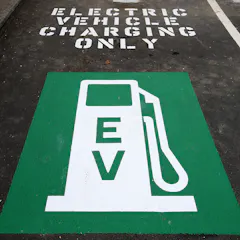
Emissions from road transport in New Zealand have doubled since 1990, and the Climate Change Commission recommends sweeping changes to switch to electric transport options.
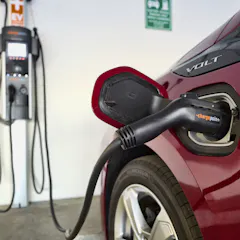
The benefits of road-user charging are now well established. And including electric vehicles doesn’t have to be a deterrent to their uptake, as New Zealand and other nations have shown.
California’s proposition to halt the sale of gasoline-powered engines may be extreme. But could it work?
Any green industrial revolution will need lots more electric cars – we’re experimenting to see what does and doesn’t work.

Sure, the owners of electric cars don’t pay properly to use the roads, but it’s even worse for the owners of conventionally-powered vehicles.
Electric vehicles would lower emissions, but if their lower running costs lead to increased car use that creates a whole lot of other costs for our cities.

Companies can’t verify that their source didn’t involve artisanal mining. A discussion over responsible sourcing strategies and practices is needed.
NIO’s innovative business model could point towards a bright future – if it can overcome key challenges
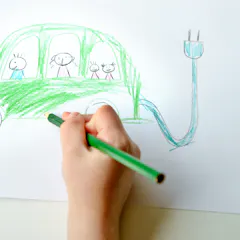
A used electric vehicle can be yours for well under A$20,000. But supply is limited and, like with any major purchase, there are potential pitfalls.
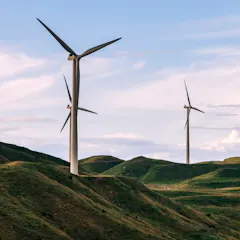
New Zealand voters are divided on climate policy along party lines, with the majority on one side of the political spectrum calling for urgent action while at the other end most recommend caution.

Coronavirus has changed the way we travel.
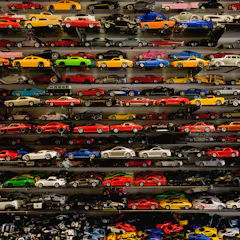
It seems likely we are going to need radical reductions in future ownership of private vehicles as we transition to cleaner transport.
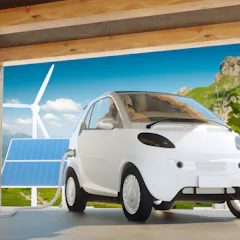
In the near future, we may see electric cars supplying power to smart grids or communities with their own independent microgrids.
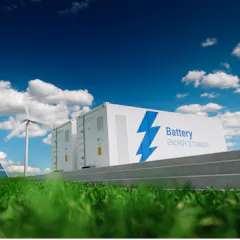
Grid-scale batteries could be at least double the cost of those in electric vehicles.
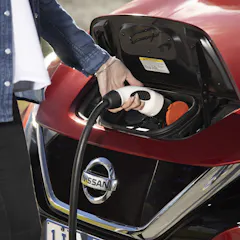
Electric vehicles are still relatively expensive but a trial to help them power the national grid in times of need could see owners being paid. That could make them a lot more attractive.

You can reduce your fuel consumption by 15-20% with improved driving habits alone – reducing emissions and saving money at the same time.
Everyone loves the idea of H2 cars, but they come with a huge disadvantage.
Top contributors
-

Professor of Transport Technology and Sustainability, Swinburne University of Technology
-
Senior Lecturer in Operations and Supply Chain Management, Anglia Ruskin University
-
Professor of Environmental Geography, School of Biological Earth and Environmental Sciences, UNSW Sydney, UNSW
-
PhD candidate Faculty of Science UNSW, UNSW
-
Professor in Applied Mathematics, Te Kunenga ki Pūrehuroa – Massey University
-
Senior Lecturer in Product Design, Nottingham Trent University
-
Professor of Civil and Environmental Engineering, Rice University
-
Director of Energy Lancaster and Professor of Physical Chemistry, Lancaster University
-
Senior Lecturer, Griffith Business School, Griffith University
-
Visiting Fellow, Crawford School of Public Policy, Australian National University
-
E-Mobility Research Fellow, The University of Queensland
-
Professeur senior d’analyse financière, d’audit et de risk management - Directrice de Programme pour le MSc Fashion Design & Luxury Management- Responsable de la spécialisation MBA "Brand & Luxury Management", GEM
-
Associate Professor in Sustainable Product Design Engineering, Loughborough University
-
University of Southern Queensland
-
Co-Founder at Relectrify | Graduated PhD in Battery Storage, The University of Melbourne