
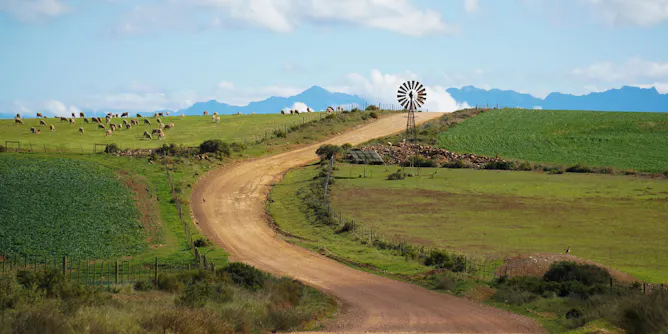
Previous rains and grain stocks could reduce the impact of the expected drought.
Articles on El Nino
Displaying 21 - 40 of 258 articles
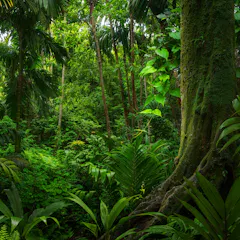
Some of South America’s tropical forests effectively stopped absorbing carbon during the 2015-2016 El Niño.

Three climate-related factors have loaded the dice for a drier and warmer winter this year.

Too often, Australian authorities have relied on ad hoc preparations for the droughts and bushfires made more likely by El Niño.
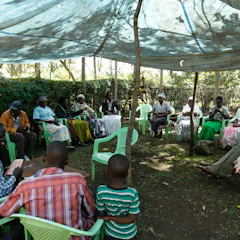
A powerful Super El Niño is looming. Africa has learned hard lessons from past climate disasters that could help the world prepare.
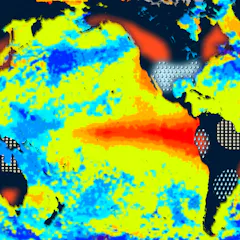
Climate expert Ioana Colfescu talks to The Conversation Weekly podcast about predicting the impact of El Niño.

More than 90% of the heat trapped by greenhouses goes into the ocean. But what happens in the oceans doesn’t stay there.
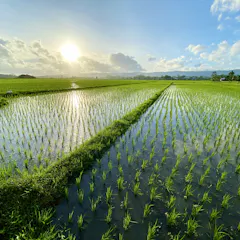
Rice is life for billions of people. But this grain crop depends heavily on irrigation – and the looming El Niño is likely to bring dry conditions.
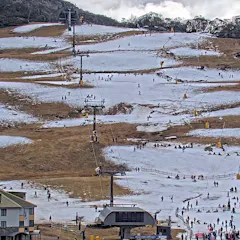
After a dismal start to the ski season, abnormally warm conditions in Australia are likely to continue for the coming weeks.

Universities must develop an intentional, place-based approach to research and teaching that’s organized around a region’s unique and specific problems.

A climate expert unpacks the potential causes and risks of extreme heat.
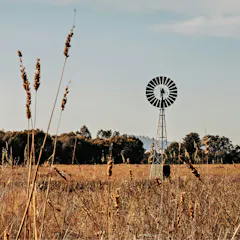
Australia isn’t likely to face food shortages anytime soon. But hotter, drier weather could still take a toll on many local economies and communities.

Heatwaves can damage hearts, kidneys, lungs and infrastructure.
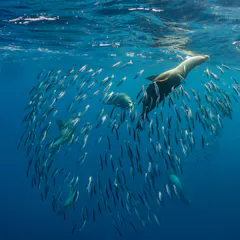
A dip in anchovy stocks is not only vital for Peru’s economy, but also essential for supporting fish farming and food production worldwide.
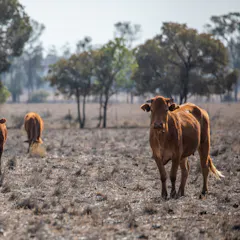
Past El Niño events have coincided with some of the driest, hottest weather on record.
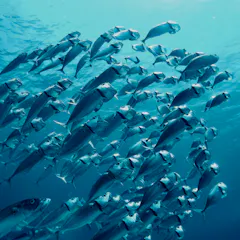
El Niño can trigger intense periods of extreme ocean warming known as marine heat waves that can devastate marine life.
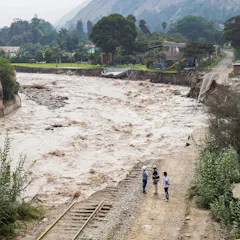
This atmospheric phenomenon can cause floods and droughts across the world.
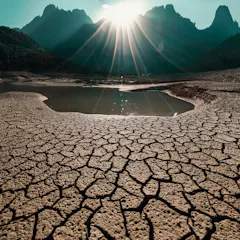
Climate and geopolitical shocks – from El Niño, global heating or wars – hit a food system which already magnifies environmental and social vulnerabilities.
Twin cyclones helped trigger massive ocean warming in the Pacific. But whether that leads to a strong El Niño is still uncertain. Here’s what you need to know.

It’s been a very warm and dry autumn for much of southern Australia – and winter looks set to be similar.
Top contributors
-

ARC Future Fellow and Associate Professor in Climate Science, ARC Centre of Excellence for 21st Century Weather, The University of Melbourne
-
Adjunct Professor (Practice) in the School of Earth, Atmosphere and Environment, Monash University
-
Senior Research Associate, UNSW
-
Senior Climatologist, Australian Bureau of Meteorology
-
Postdoctoral Research Fellow in Atmospheric Sciences, The University of Melbourne
-
Distinguished Scholar, National Center for Atmospheric Research; Affiliate Faculty, University of Auckland, Waipapa Taumata Rau
-
Chief Research Scientist, Oceans and Atmosphere, CSIRO, CSIRO
-
Principal Research Scientist, CSIRO
-
Climate Scientist, Australian Bureau of Meteorology
-
Climate scientist, Australian Bureau of Meteorology
-
Lecturer, School of Agriculture, Food and Ecosystem Sciences, The University of Melbourne
-
Director of the ARC Centre of Excellence for Our Future Oceans and Scientia Professor in Oceanography, UNSW
-
Lecturer, Climate Science Geography, The University of Melbourne
-
Director of the Climate Hazards Center, University of California, Santa Barbara
-
Senior Research Scientist, CSIRO