
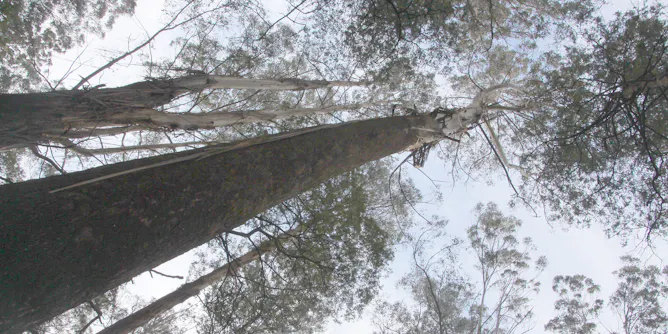
How do you determine the financial benefit of cutting a tree down, versus leaving it standing? Environmental accounting offers some insight.
Articles on Ecosystem services
Displaying 61 - 80 of 86 articles
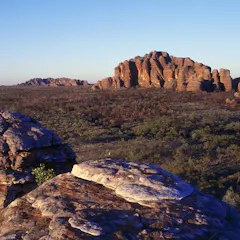
Wilderness areas are vitally important, yet are largely overlooked by the United Nations’ list of natural World Heritage. This week’s meeting in Poland is a chance to redress that balance.
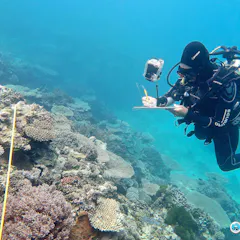
A full valuation of the Great Barrier Reef leads to a number so high it is essentially not worth considering in economic terms.
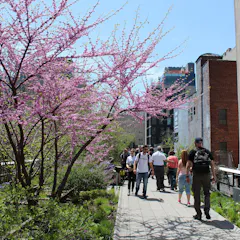
In an urbanizing world, people increasingly are seeking out nature in cities. Research shows that diverse species of animals, plants and insects can thrive in areas that humans have altered.
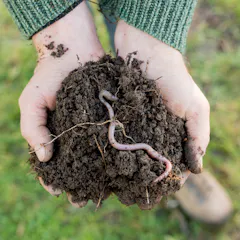
We focus on large, charismatic animals at the expense of these crucial ‘lowly creatures’.
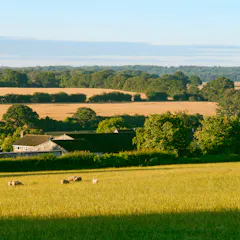
It’s time for governments to think long-term about the kind of places they want to create.
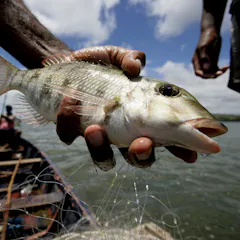
Melanesia’s oceans are worth at least US$5.4 billion, but are under increasing threat.
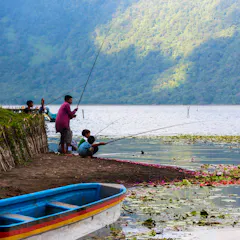
Current land-use patterns could see the value of ‘ecosystem services’ – the natural processes that sustain life – plummet by mid-century. But with the right policies we can turn this trend around.
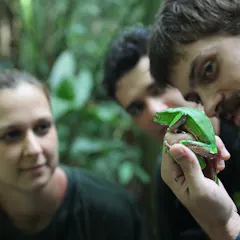
The presidential candidates should be talking about exploring and cataloguing our biosphere, which holds vital clues for how humanity should navigate the future.
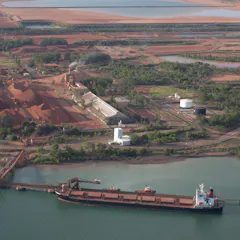
Cape York’s ecosystems are worth as much as the Queensland economy.
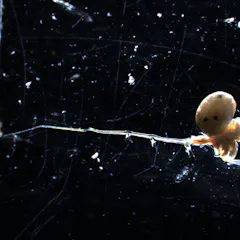
Invasive species cause some $120 billion in damages across North America yearly – and that’s just direct costs. A study of one species in one Wisconsin lake indicates the real toll is much higher.
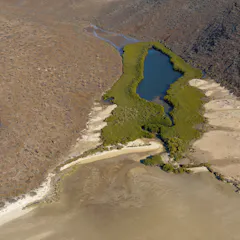
Study shows mangrove forests along desert coasts have potential to lock up large amounts of carbon and buffer against rising seas.
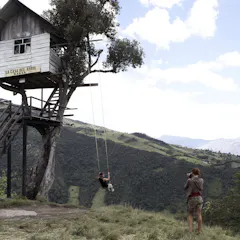
The world must embrace an economy where people and the planet are what matters the most.
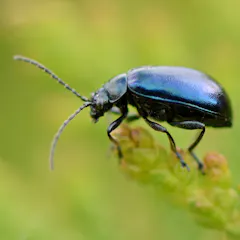
We should value even the tiniest insects that have no impact on our lives.
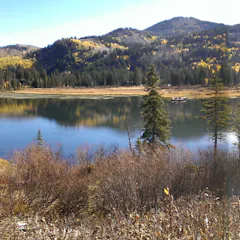
With a future of droughts looming for the US West, Utah’s Wasatch watershed offers a good model that combines conservation with nature-based recreation.
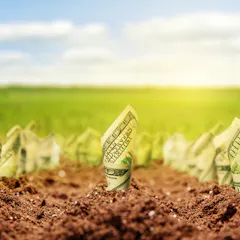
The notions of “natural capital” and “ecosystem services” try to highlight the value of nature. But but by putting dollar figures on nature do we actually devalue it?
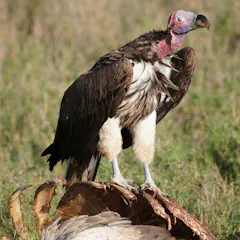
They might keep the environment clean and healthy but most species are in steep decline.
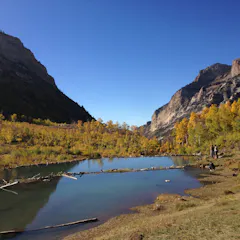
Listing the value of bees, beavers and others on the pages of the world’s financial press helps to show that ecosystems deliver benefits worth staggering amounts of money - yet we scarcely keep track of it.
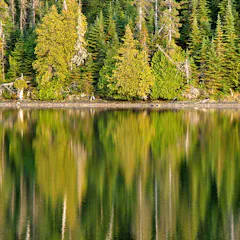
Should conservationists ‘sell’ the value of nature by focusing on the ecosystem services nature provides people? Surveys show this may be the wrong tack.
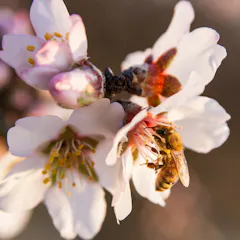
Forests, wetlands, wildlife, waterways all provide valuable services to society. Would we take better conserve natural resources if we paid for these ecosystem services?
Top contributors
-

Professor, Department of Geography and the Environment, University of Denver
-
Professor of Ecological Economics, UCL
-
Honorary Associate Professor, Australian National University
-
Affiliate Full Professor of Environmental & Societal Futures and Conservation Biology, University of Washington, Bothell
-
AXA Chair in Coastal Resilience & Research Professor, University of California, Santa Cruz
-
Associate Professor, Global Ecology, University of Sydney
-
Professor in Conservation Science, School of the Environment, The University of Queensland
-
Distinguished Professor of Ecology, Fenner School of Environment and Society, Australian National University
-
Postdoctoral research fellow, School of Biological Sciences, The University of Queensland
-
Associate Professor in Zoology, University of Tasmania
-
Professor of Environmental Geography, Northumbria University, Newcastle
-
Assistant Professor of Biological Sciences, Mississippi State University
-
Assistant Professor, School of Energy, Geoscience, Infrastructure and Society // CEO MarFishEco Fisheries Consultant Ltd, Heriot-Watt University
-
Postdoctoral research associate, Wilkes Center for Climate Science & Policy, University of Utah, University of Cambridge
-
Professor, Department of Geography, Environment and Geomatics, University of Guelph