
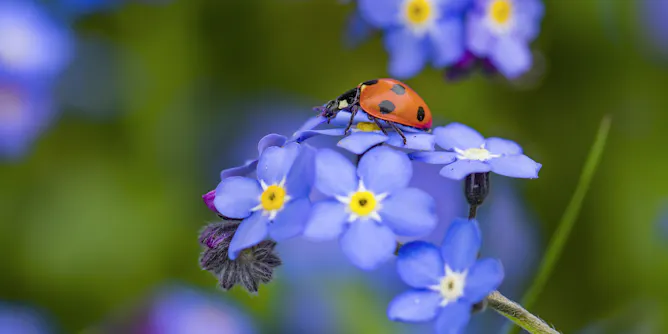
Insects are essential to the functioning of land and freshwater ecosystems but species populations are being lost at a rapid rate globally.
Articles on Ecosystem services
Displaying 41 - 60 of 86 articles
Our prevailing relationship with nature is based on framing the living world as a set of natural resources. This utility-based worldview perpetuates the drivers of ongoing biodiversity loss.
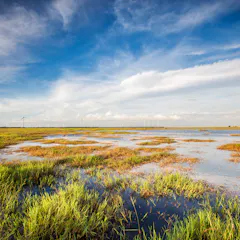
Wetlands are an important resource that needs to be taken better care of.
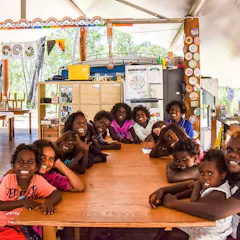
We now have a proven model for supporting self-determined building on Aboriginal homelands. The next question is how can its reach be extended?

Wild bees pollinate trees and shrubs that feed and shelter wildlife, provide flood control, prevent soil erosion and help regulate the climate.
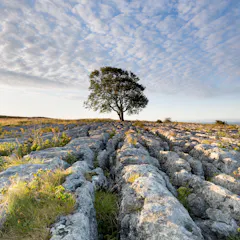
A new study has calculated the tremendous cost of ash dieback to the UK economy.
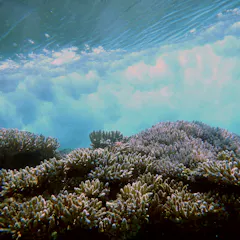
A new report shows that coral reefs reduce damage from floods across the United States and its trust territories by more than $1.8 billion every year – and pinpoints that value state by state.
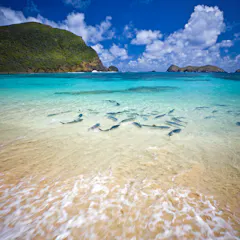
With strategic planning, the marine protected area network could be a third smaller, cost half as much, and still meet the international target of protecting 10% of every ecosystem.
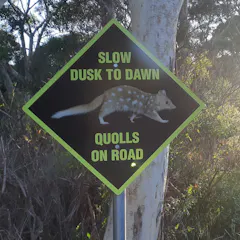
Rewilding is gaining popularity around the world, as a means to restore ecosystems to their ancient state. But just like Vegemite, Australian rewilding projects need to have a unique flavour.

Approximately 50% of the UK’s poorest people live over 15 miles from a national park and most people require transport to get to them.
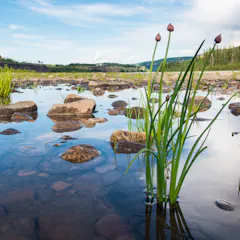
Countries can protect biodiversity and recognize Indigenous peoples as conservation partners.
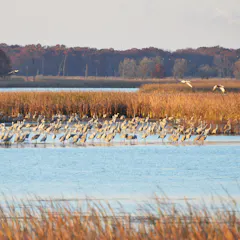
The Trump administration is sharply reducing environmental protection for wetlands and streams across the US. This roundup of stories spotlights the many benefits that such water bodies provide.
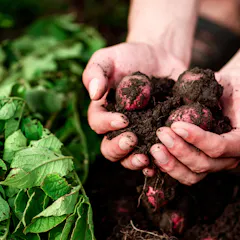
The thin layer of soil on our planet’s surface ultimately sustains us all, but it’s a finite resource. With a growing global population, perhaps it is time to start looking for alternatives.
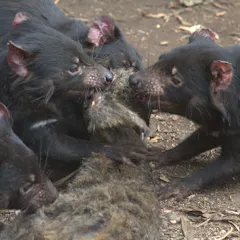
A new study involving leaving animal carcasses strewn across Tasmania shows that in places where devils have dwindled, other scavengers are stepping up to fill the gap, with nasty knock-on effects.
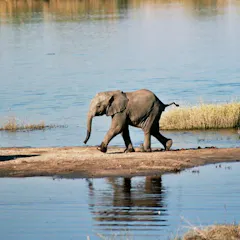
At an international summit in Egypt this month, nations will hopefully make progress towards recognising the economic value of wildlife and other environmental assets.
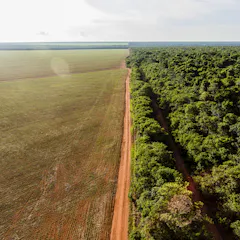
Brazil has set itself a target of restoring almost 50,000 sq km of the Amazon rainforest by 2030. But it won’t get there without changing its policies and how it engages with local people.
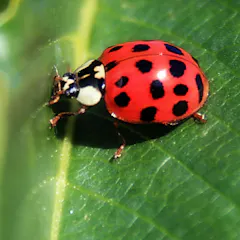
An AC/DC-loving biologist tests the band’s 1980 assertion that “rock ‘n’ roll ain’t noise pollution.” Turns out it can be – and the negative effects of noise can ripple through an ecosystem.
Governments around the world have vowed to halt the loss of global biodiversity by 2020, but without more investment, we’ll miss some of the targets.

Some scientists want to replace ‘ecosystem services’ with ‘Nature’s Contributions to People’.

Oysters aren’t just good for a feed. They also give a vital boost to coastal ecosystems, which is why efforts are underway to restore Australia’s once-abundant oyster reefs to their former glory.
Top contributors
-

Professor, Department of Geography and the Environment, University of Denver
-
Professor of Ecological Economics, UCL
-
Honorary Associate Professor, Australian National University
-
Affiliate Full Professor of Environmental & Societal Futures and Conservation Biology, University of Washington, Bothell
-
AXA Chair in Coastal Resilience & Research Professor, University of California, Santa Cruz
-
Associate Professor, Global Ecology, University of Sydney
-
Professor in Conservation Science, School of the Environment, The University of Queensland
-
Distinguished Professor of Ecology, Fenner School of Environment and Society, Australian National University
-
Postdoctoral research fellow, School of Biological Sciences, The University of Queensland
-
Associate Professor in Zoology, University of Tasmania
-
Professor of Environmental Geography, Northumbria University, Newcastle
-
Assistant Professor of Biological Sciences, Mississippi State University
-
Assistant Professor, School of Energy, Geoscience, Infrastructure and Society // CEO MarFishEco Fisheries Consultant Ltd, Heriot-Watt University
-
Postdoctoral research associate, Wilkes Center for Climate Science & Policy, University of Utah, University of Cambridge
-
Professor, Department of Geography, Environment and Geomatics, University of Guelph