
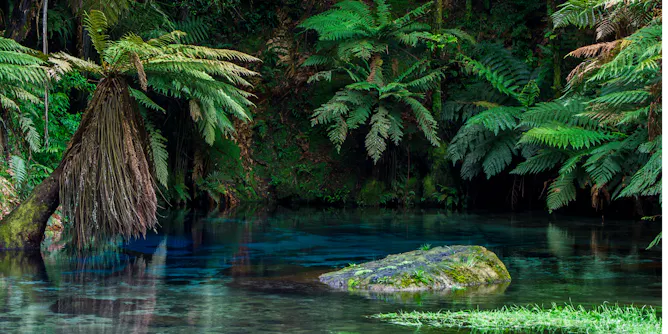
Introduced species that become invasive are clearly destructive, but many exotic species are not detrimental to the existing ecosystem – some become complementary or take on lost ecological roles.
Articles on Ecosystem services
Displaying 21 - 40 of 86 articles
Humanity’s biggest challenges are not technical, but social, economic, political and behavioural. Effective actions are still possible to stabilise the climate and the planet, but must be taken now.
The decline of forest creatures like the Chapman’s chameleon are warning signs that forests are losing integrity.
The growing frequency of climate extremes affected human health and caused wide-scale damages to the ecosystems that people depend upon, including agriculture, fisheries and freshwater.

Abandoned US oil and gas wells and their associated land cover more than 2 million acres, a recent study estimates – an area larger than Delaware and Rhode Island combined.
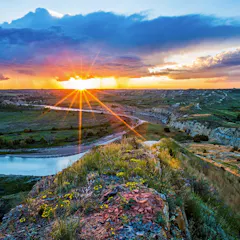
When something is free, people use a lot of it. Economists are urging governments to compute values for natural resources – wildlife, plants, air, water – to create motives for protecting them.
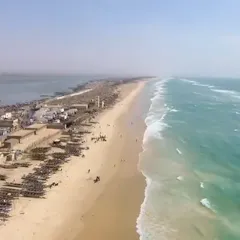
Around the world, fragile coastal ecosystems are under intense pressure, and understanding and managing their complex interactions requires an integrated and interdisciplinary approach.
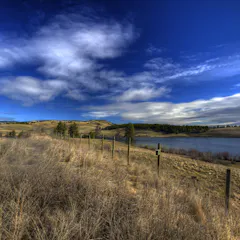
New approaches are required for Canada to meet its current conservation goals.
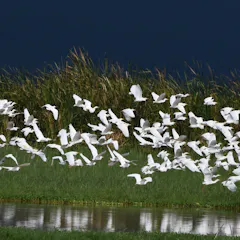
Biosphere reserves are the living labs in which people and nature learn how to live and thrive together. Four pilot sites in Africa show the programme’s promise.
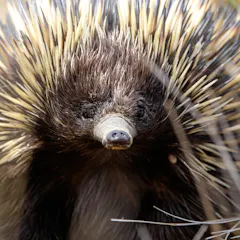
Excavator, farmer, matchmaker: echidnas provide a host of benefits to nature. So let’s harness the potential.
People both for and against pricing biodiversity need to work together to protect the natural world.
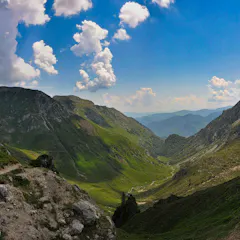
We think of mountains as remote and little affected by human activity. Unfortunately, the negative impacts of what we do has important implications for nature, wildlife and human society.
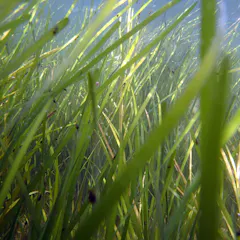
Healthy seagrasses form underwater meadows teeming with fish and shellfish. A successful large-scale restoration project in Virginia could become a model for reseeding damaged seagrass beds worldwide.
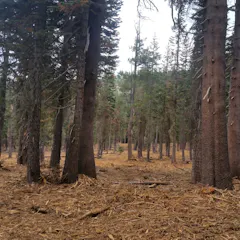
Restoring western forests – thinning out small trees and dead wood – is an important strategy for reducing the risk of massive wildfires. But these projects aren’t fast, easy or cheap.
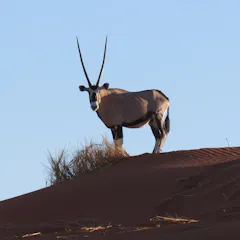
Wildlife populations have plummeted by 68% since 1970. But we have a plan to turn things around.
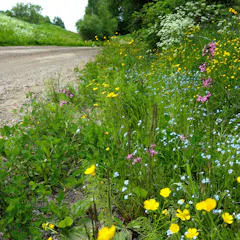
Temporary reductions in carbon dioxide during the pandemic won’t turn the tide on climate change or biodiversity loss, but summon the need for action.
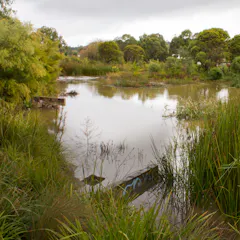
Natural assets produce important city services and complement engineered infrastructure. Investing in natural assets can help protect our environment, reduce municipal service costs and create jobs.
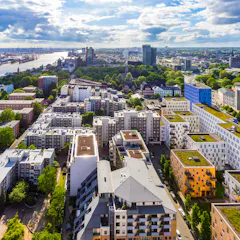
The coronavirus pandemic has highlighted the lack of green space available to those living in urban areas. Cities must be managed as ecosystems to make them more liveable and resilient.
This 2020 budget is not the pivot to a green rebuild many had hoped for. But its short-term focus on caring for people’s health leaves the door open to stronger climate action down the track.

A new study estimates that mangroves prevent over $65 billion in damage from coastal storms every year, and says mangrove protection should be funded in the same way as infrastructure like seawalls.
Top contributors
-

Professor, Department of Geography and the Environment, University of Denver
-
Professor of Ecological Economics, UCL
-
Honorary Associate Professor, Australian National University
-
Affiliate Full Professor of Environmental & Societal Futures and Conservation Biology, University of Washington, Bothell
-
AXA Chair in Coastal Resilience & Research Professor, University of California, Santa Cruz
-
Associate Professor, Global Ecology, University of Sydney
-
Professor in Conservation Science, School of the Environment, The University of Queensland
-
Distinguished Professor of Ecology, Fenner School of Environment and Society, Australian National University
-
Postdoctoral research fellow, School of Biological Sciences, The University of Queensland
-
Associate Professor in Zoology, University of Tasmania
-
Professor of Environmental Geography, Northumbria University, Newcastle
-
Assistant Professor of Biological Sciences, Mississippi State University
-
Assistant Professor, School of Energy, Geoscience, Infrastructure and Society // CEO MarFishEco Fisheries Consultant Ltd, Heriot-Watt University
-
Postdoctoral research associate, Wilkes Center for Climate Science & Policy, University of Utah, University of Cambridge
-
Professor, Department of Geography, Environment and Geomatics, University of Guelph