
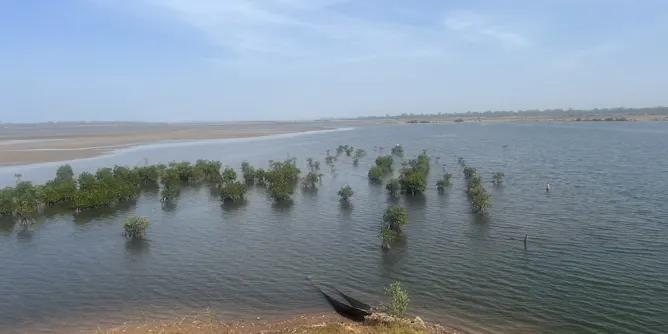
Nature-based solutions like mangrove restoration are key to climate action, but weak monitoring can overstate carbon storage, creating ‘ghost carbon’.
Articles on Ecosystem restoration
Displaying 1 - 20 of 25 articles

Genetic diversity is being lost across many species – especially birds and mammals. But you can help stop the decline.
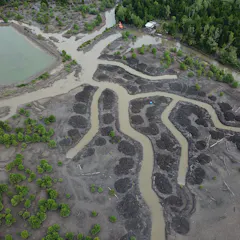
Experts are calling for the end of human-driven mangrove loss, a doubling of the area of mangroves with effective conservation status, and the restoration of half of recently lost mangroves.
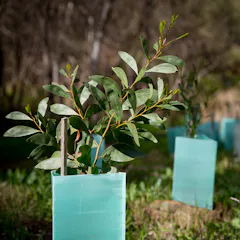
As Australia prepares to host the first Global Nature Positive Summit this week, let’s take a closer look at what ‘nature positive’ really means.
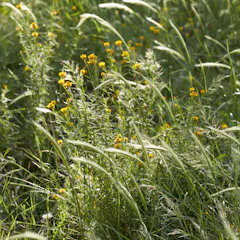
A project in Melbourne’s Royal Park has proved city parks and streets can be used as sites for nature repair that help endangered ecosystems and species to survive.

A partnership that combines Western science and Traditional Owners’ ecological knowledge is restoring the seagrass meadows of Gathaagudu/Shark Bay.
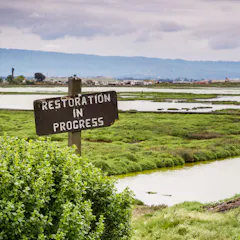
Australia committed to restore 30% of degraded ecosystems by 2030 when we signed the global biodiversity framework. But what does that really mean? It’s open to interpretation. So let’s be ambitious.
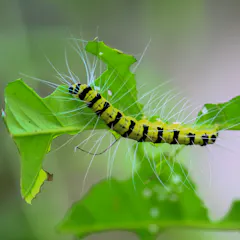
Despite its 500-million-year history, the plant-fungi alliance holds mysteries that, once unravelled, could revolutionise agriculture and ecosystem management.

Crofters who have managed the land for centuries are being offered dubious rewards to risk their rights.
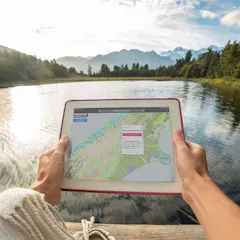
Technologies such as remote sensing and artificial intelligence are making it easier to gather more accurate data on biodiversity. Developing these digital tools will help vital ecosystem restoration.
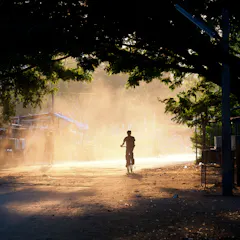
Plantations of exotic trees from the mid-19th century onwards devastated Indian ecosystems.

Building a culture where fire is respected rather than feared is essential to maintain resilient landscapes.
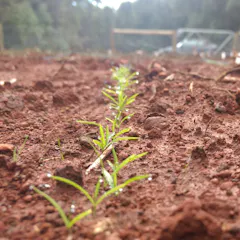
Fascination with shiny technological gadgets may divert scarce resources from the on-the-ground approaches we need to restore degraded ecosystems around the world.

Many of our rivers are overloaded with nutrients from fertiliser run off and wastewater. Algal blooms, fish kills and poor water follow. One solution? Nutrient offsetting.
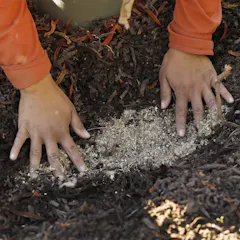
Native plants help damaged landscapes by stabilizing soil, fighting invasive species and sheltering pollinators. Two horticulture experts explain what they’re doing to help develop new seed sources.
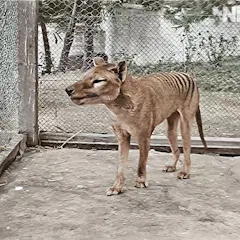
Australia still feels the thylacine’s presence in its landscape, wildlife and culture. A new book explores everything we know about the thylacine and the hope of a return.
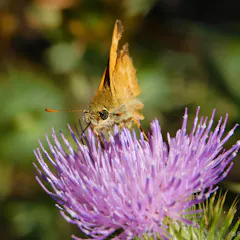
Conservation practitioners and policymakers must organize and prioritize the management of habitats around whether species are more beneficial or harmful to biodiversity.
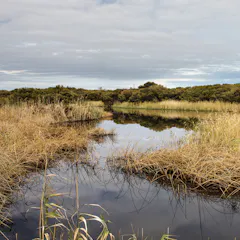
Cities are starting to restore natural systems such as waterways, wetlands and bushland. But restoration on the scale these systems need to function properly calls for a rethink of urban planning.
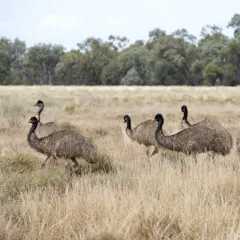
Tasmania’s emus were hunted to extinction in the mid-1800s but we could have them back – and their return could help other species survive climate change.
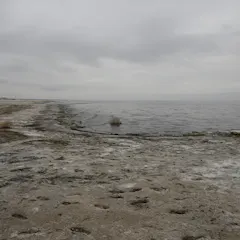
Fifty years ago, the Salton Sea was a draw for boaters and fishermen; today it’s an ecological time bomb. Two water experts who served on a state review panel describe its proposed rescue plan.
Top contributors
-

Associate Professor in Biology, Flinders University
-
Research Fellow in Restoration Ecology, University of Waikato
-
John Curtin Distinguished Professor, Curtin University
-
Associate Professor of Ecology, L’Université d’Ottawa/University of Ottawa
-
Regents Professor Emeritus and Morris K. Udall Professor of Law & Public Policy Emeritus, University of Arizona
-
Lecturer in Mycorrhizal Ecology, Hawkesbury Institute for the Environment, Western Sydney University
-
Senior Lecturer in Urban Planning and Design, Monash University
-
Professor of Forestry, Universitas Gadjah Mada
-
Postgraduate Researcher, Climate Adaptation, University of Manchester
-
PhD Student in Plant Science and Landscape Architecture, University of Connecticut
-
PhD Candidate, University of St Andrews
-
Professor of Wildlife Conservation, University of Tasmania
-
Professor of Horticulture, University of Connecticut
-
Professor of Environmental Studies, University of California, Santa Cruz
-
Senior Research Fellow, University of Canterbury