
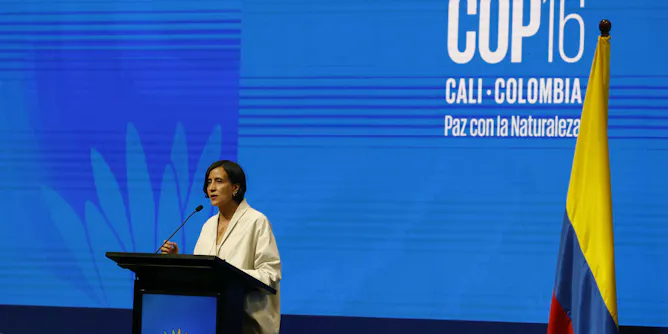
While governments at COP16 make glacial progress on protecting nature, what billions of people choose to do individually can add up to make a big difference.
Articles on Ecosystem collapse
Displaying all articles
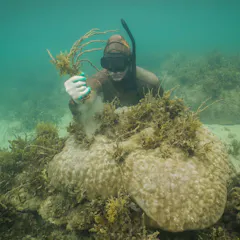
Many researchers are exploring high-tech ways to help reefs survive the climate crisis. But low-tech solutions like manually pulling out seaweed have a place too.

We ran computer programs that simulate ecosystems 70,000 times and the results are very worrying.
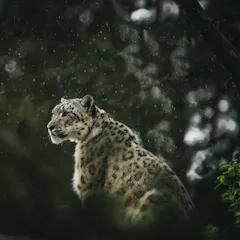
New research finds nearly 30% of land animals could disappear form their local area by 2100 due to climate change and habitat destruction. This is more than double previous predictions.

Nature is both the trigger for, and answer to, the grief that will increasingly be with us.
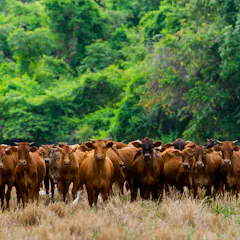
Infectious diseases originating in wild animals are high and may be increasing. This is a sign that ecosystem degradation is undermining the planet’s capacity to sustain human wellbeing.
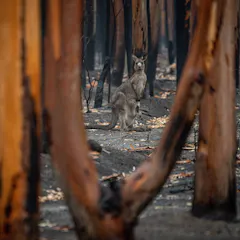
Three chief authors of the State of the Environment Report provide its key findings. While it’s a sobering read, there are a few bright spots.
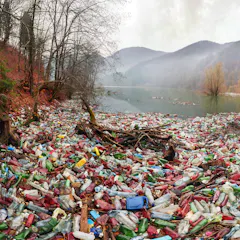
A global treaty on plastic pollution must incentivize a take-make-reuse waste management system and include quantitative targets based on geography-specific emissions.
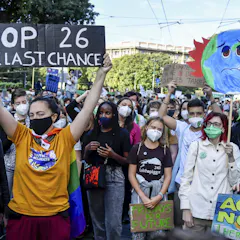
Research ethics focus on avoiding wrongdoing, having been developed largely in response to biomedical scandals. Climate change puts the onus on researchers to add ‘do good’ to ‘do no harm’ principles.

A staggering 17,500 tree species are at risk of dying out.
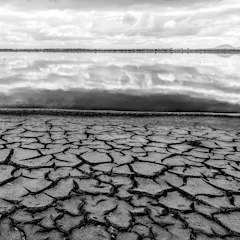
Iconic ecosystems, from coral reefs to Tasmania’s ancient forests, are collapsing across the continent and into Antarctica. It’s not too late to act — in fact, our lives depend on it.
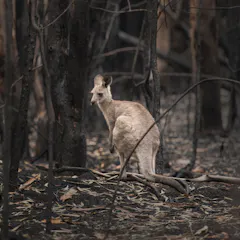
Humans have caused ecosystems to collapse on purpose for millennia, to grow food or build settlements. But unplanned collapses are a different matter.

The current state of our climate shouldn’t be dismissed as a ‘new normal’. The hard truth is many of our ecosystems will not recover from the damage.
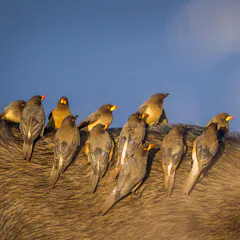
Our prevailing relationship with nature is based on framing the living world as a set of natural resources. This utility-based worldview perpetuates the drivers of ongoing biodiversity loss.
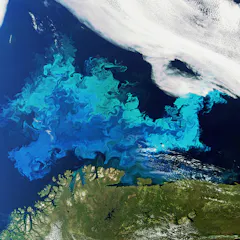
Populations of plankton are in decline. If we push this critical foundation of the marine food chain to extinction, we could cripple ecosystems for millions of years.
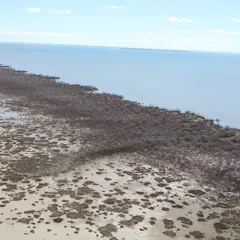
Australia has seen an unprecedented number of widespread, catastrophic transformations in response to extreme weather events.
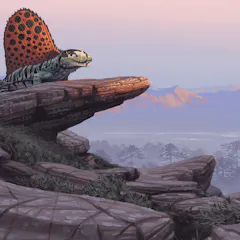
A drying climate caused a mass extinction among plants, but paved the way for the ancestors of modern reptiles, mammals, and birds.
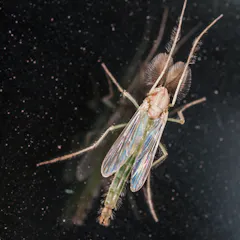
Populations of certain species collapse long before a wider ecological disaster, says new research.
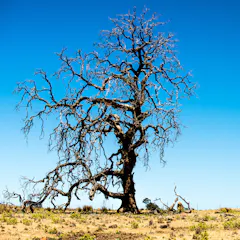
Extreme weather will affect people and animals, as well as whole ecosystems. Research using satellites shows that ecosystems worldwide are vulnerable to collapse.
Top contributors
-

Emeritus Professor of Physical Geography, University of Southampton
-
Senior Lecturer in Climatology, Director, Climate Futures Program, University of Tasmania
-
Professor of Ecology, University of Southampton
-
Professor of Pyrogeography and Fire Science, University of Tasmania
-
Assistant Professor in Palaeontology, Trinity College Dublin
-
Postdoctoral Research Fellow in Social-Ecological Resilience, University of Sheffield
-
Professor in Wildlife Ecology and Conservation, School of Life & Environmental Sciences, Deakin University
-
Professor, University of Technology Sydney
-
Researcher, Sustainable Development and Wildlife Conservation, University of Oxford
-
Senior Research Officer, James Cook University
-
Associate Professor, School of Earth and Environmental Sciences, The University of Queensland
-
Professor and Deputy Vice-Chancellor (Research), University of Sydney
-
Research Associate in Ecological Resilience, Climate Change Cluster (C3), University of Technology Sydney
-
Senior Research Fellow in Climate Science Communication, Climate Futures Program, University of Tasmania, University of Tasmania
-
Assistant Director of the Global Systems Institute, University of Exeter