
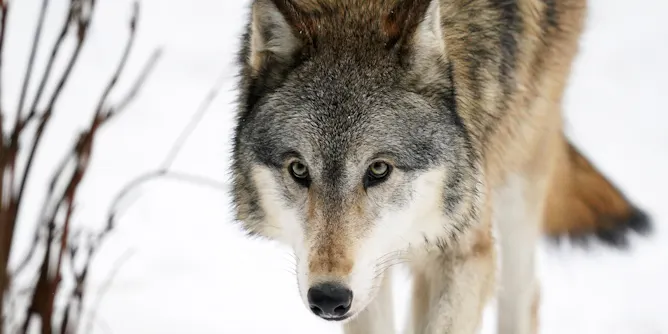
Reintroducing wolves can restore important ecological processes, but it can have unintended effects when smaller predators like coyotes are driven closer to people, a team of ecologists found.
Articles on Ecosystem recovery
Displaying all articles
Fascination with shiny technological gadgets may divert scarce resources from the on-the-ground approaches we need to restore degraded ecosystems around the world.
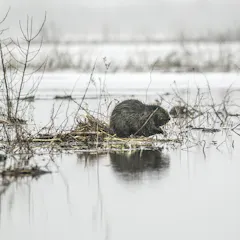
Restoring entire ecosystems is a difficult and expensive process. Thankfully, certain species, called ecosystem engineers, can make restoration easier. Gaining social and political support is critical too.
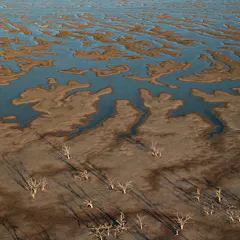
Indigenous engineering and care for Country points to a better way to manage the Baaka.
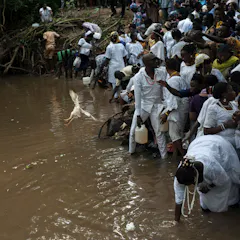
The ability of the Osun River to support biodiversity is being threatened by pollution and can only be rescued if the contamination ends.

One-fifth of Earth’s land could be restored to wilderness by reintroducing animals and improving management.
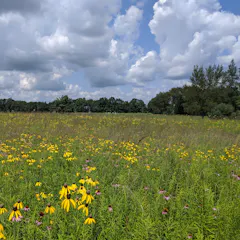
Restoring former prairies that have been plowed under for farming delivers land, wildlife and climate benefits. But a new study finds that the weather plays a surprising role.
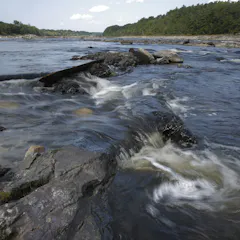
Thousands of dams across the US are aging and overdue for maintenance. Taking them down can revive rivers, restore fish runs and create new opportunities for tourism and outdoor activities.

North America’s prairies once were home to millions of wild animals. Today, most of that land is farmed or developed, but some grasslands have never been plowed and could be rewilded.

The current state of our climate shouldn’t be dismissed as a ‘new normal’. The hard truth is many of our ecosystems will not recover from the damage.
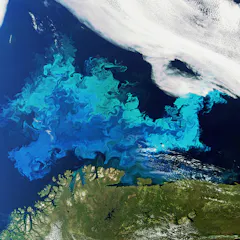
Populations of plankton are in decline. If we push this critical foundation of the marine food chain to extinction, we could cripple ecosystems for millions of years.
Top contributors
-

Research Fellow in Pyrogeography, University of Tasmania
-
Professor, Australian Rivers Institute, Griffith University
-
Senior Lecturer in Climatology, Director, Climate Futures Program, University of Tasmania
-
Associate Professor in Water Science, University of Birmingham
-
Associate Professor of Plant Biology, Michigan State University
-
Lecturer in Life and Earth Sciences, University of Gibraltar
-
Professor of Micropalaeontology, UCL
-
Senior Lecturer in ecological restoration, Curtin University
-
John Curtin Distinguished Professor, Curtin University
-
Assistant Professor of Science, Emerson College
-
Tomas Remenyi is a Friend of The Conversation.
Climate Research Fellow, Climate Futures Programme, University of Tasmania
-
Professor of Archaeology and Biological Anthropology, School of Social Science, The University of Queensland
-
Professor, Obafemi Awolowo University
-
Science + Technology Editor, The Conversation
-
Adjunct Professor, University of Tasmania