

Medicinal chemists are tweaking a natural molecule that can be a deadly poison – a modified version might work as a nonhormonal male contraceptive.
Articles on Drug development
Displaying 81 - 100 of 123 articles

Only around 10% of new drugs in development make it onto the market. A drug needs to go through animal trials, and then four phases of human trials to be deemed suitable for use in patients.
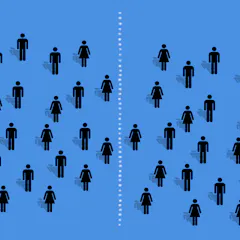
A randomised controlled trial is the best way to compare a new treatment with the standard treatment. And randomising trial participants is a core feature of the experiment.

3D bioprinting of living cells and materials may contribute to faster and cheaper ways to create effective new drugs - and even reduce animal testing.

Researchers are finding medical uses for some molecules in certain street drugs, but it’s important to call the drugs by their real names. Here’s why that’s important.
Australia has never been short of inventors, scientists aren’t always at home in the ruthless world of commerce. But if they can be given a helping hand, it could help the entire economy.

News reports this week hailing a breakthrough in Alzheimer’s research, saying a vaccine for the disease is a few years away, have raised hopes for many. But let’s take a step back from the headlines.
Human guinea pigs? On the occasion of Rennes drama, an explanation of what the drug trials in France and how they are controlled.

Many venoms contain bioactive components that are so stable to the body’s enzymes and selective of their biological target that they’re increasingly being used as novel research tools.

Thalidomide was developed in an era of widespread enthusiasm – but little critical attention – for pharmaceutical therapies.
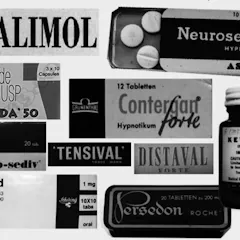
Thalidomide was marketed as a safe, sleep-inducing drug, but when taken during pregnancy it could cause severe birth defects.

Thalidomide caused thousands of spontaneous abortions and left more than 10,000 children severely disabled. What guarantee is there that the same thing can’t occur again today?

This project offers the tantalising possibility that plants containing drugs, such as agents to treat HIV, could be farmed on a small scale at low cost by communities that need them most.

News that a leading manufacturer will cease making a well-known antivenom is not actually new.
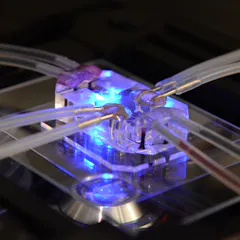
A so-called “organ-on-chip” device could speed up the way drugs are developed. And it’s just been named the London Design Museum’s design of the year.

You may not have heard of the protein lubricin, but it’s what keeps your body moving. And now it’s being used to treat disease and produce new therapeutics.

We’ve heard a lot lately about superbugs – bacteria that are resistant to current antibiotics. But as the threat of superbugs continues to rise, the number of new treatments available has flatlined. This…

An ambitious project has been launched that will involve sequencing genomes of 100,000 individuals to improve our understanding of a range of diseases and – hopefully – eventually find new treatments for…
The rise of bacteria that are resistant to antibiotics is a growing worry and threatens to put healthcare back to the early 20th century. Such resistance to drugs was inevitable, because bacteria evolve…

Disease can affect any person, rich or poor. While your bank balance can’t really protect you from getting sick, it could potentially buy you – and many other patients – access to a better treatment for…
Top contributors
-

Prof. Institute for Molecular Bioscience, The University of Queensland
-
Associate Dean for Research, Charles Walgreen Jr. Professor of Pharmacy and Pharmaceutical Sciences, University of Michigan
-
Associate Professor of Biostatistics, Murdoch Children's Research Institute
-
Associate professor, Department of Family and Community Medicine, University of Toronto; York University, Canada; University of Sydney
-
Professor of Pharmaceutical Sciences, University of Colorado Anschutz
-
Associate Professor of Biological Sciences, Purdue University
-
Assistant Professor of Biochemistry and Molecular Genetics, University of Colorado Anschutz
-
Biostatistician, The University of Melbourne
-
Professor, UNSW
-
Professor of Neuroscience, Lancaster University
-
Senior Lecturer Biostatistics and Data Management, The University of Queensland
-
Director of Natural Product Discovery Core; Assistant Professor of Medicinal Chemistry, University of Michigan
-
Associate Professor of History, University of Wollongong
-
Dean of the College of Science, Professor of Biochemistry, Rochester Institute of Technology
-
Assistant Professor of Biomedical Sciences, UMass Chan Medical School