

When just one of the thousands of microRNAs in people go awry, it can cause diseases ranging from heart disease to cancer.
Articles on Drug development
Displaying 21 - 40 of 123 articles

As well as the important ethical reasons for minimising animal use in research, the reality is sometimes animals just aren’t that good at predicting human responses.
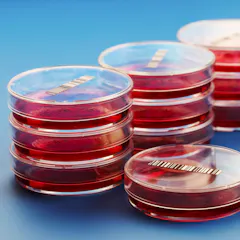
Cell cultures are common tools in biology and drug development. Bringing them up to scale to meet the meat needs of societies will require further development.

Unlike opioid drugs like morphine and fentanyl that travel throughout the body, the opioids your body produces are released in small quantities to specific locations.

Fungal infections can be among the hardest to treat, and since the pandemic began they’ve become only more common. To prevent future antifungal resistance, scientists have developed tiny molecular drills.
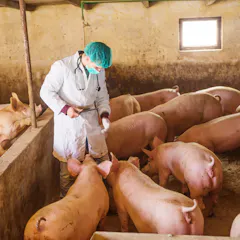
While mRNA vaccines are designed to last longer in the body than mRNA molecules typically would, they are also tested to ensure they are eliminated from livestock long before milking or slaughter.

Multidrug-resistant fungal infections are an emerging global health threat. Figuring out how fungi evade treatments offers new avenues to counter resistance.
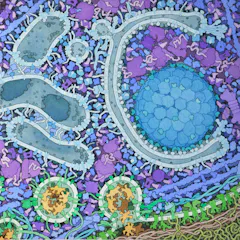
Cells degrade and recycle damaged parts of themselves through a process called autophagy. When this “self-devouring” goes awry, it may promote cancer and neurodegenerative disease.

Annual flu vaccines are in a constant race against a rapidly mutating virus that may one day cause the next pandemic. A one-time vaccine protecting against all variants could give humanity a leg up.
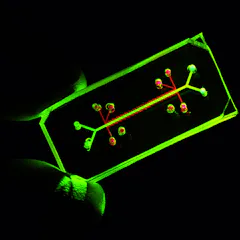
Successes in the lab mostly don’t translate to people. Research models that better mimic the human body could close the gap.

The pharma industry claims lower prescription drug prices will mean less access to new medication for Canadians. It’s an old threat that pits profits against patients’ rights to affordable drugs.
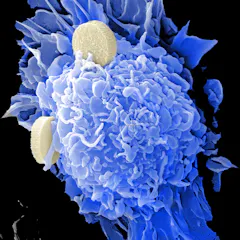
The proteins that cover nanoparticles are essential to understanding how they work in the body. Across 17 proteomics facilities in the US, less than 2% of the identified proteins were identical.
Despite technological advancements, many challenges remain in getting a drug from lab to pharmacy shelf. Reframing what is a “medicine” could expand treatment options for researchers and patients.
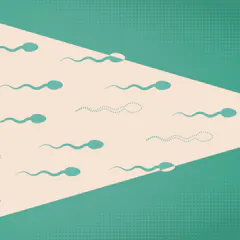
There hasn’t been a new form of male birth control since the 1980s. More contraception options for all partners could help reduce the rate of unintended pregnancies.
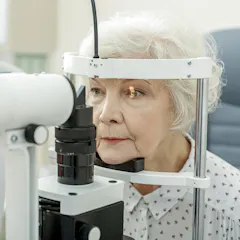
Eye drops might one day be a safe, non-invasive and less costly alternative to cataract surgery.

In silico clinicial trials have the potential to speed up trials and cut costs.

From thalidomide to resveratrol, molecules with the exact same chemical properties can have drastically different effects in the body depending on how they’re arranged in space.

With the dual threats of antibiotic resistance and emerging pandemics, finding new drugs becomes even more urgent. A trove of medicines may be lying under our nose.

Many approved drugs work on the body in ways that researchers still aren’t entirely clear about. Seeing this as an opportunity instead of a flaw may lead to better treatments for complex conditions.

While pills are more practical than injections or infusions, digestion in the stomach prevents many drugs from being taken orally. Better drug design could change this.
Top contributors
-

Prof. Institute for Molecular Bioscience, The University of Queensland
-
Associate Dean for Research, Charles Walgreen Jr. Professor of Pharmacy and Pharmaceutical Sciences, University of Michigan
-
Associate Professor of Biostatistics, Murdoch Children's Research Institute
-
Associate professor, Department of Family and Community Medicine, University of Toronto; York University, Canada; University of Sydney
-
Professor of Pharmaceutical Sciences, University of Colorado Anschutz
-
Associate Professor of Biological Sciences, Purdue University
-
Assistant Professor of Biochemistry and Molecular Genetics, University of Colorado Anschutz
-
Biostatistician, The University of Melbourne
-
Professor, UNSW
-
Professor of Neuroscience, Lancaster University
-
Senior Lecturer Biostatistics and Data Management, The University of Queensland
-
Director of Natural Product Discovery Core; Assistant Professor of Medicinal Chemistry, University of Michigan
-
Associate Professor of History, University of Wollongong
-
Dean of the College of Science, Professor of Biochemistry, Rochester Institute of Technology
-
Assistant Professor of Biomedical Sciences, UMass Chan Medical School