
From tablets and patches to ointments and infusions, the best way to deliver a drug is the one that gets the right amount to the right place.
Articles on Drug development
Displaying 41 - 60 of 123 articles

Waiving patent rights on COVID-19 vaccines and drugs is still crucial to ensure access globally, but the waiver on the table at the June World Trade Organization meeting doesn’t do the job.
Cell cultures have shown promise in representing diseases. The Petri dish is not as different from a sick person as one might think.

While technological advancements have quickened the drug discovery process, some chemical compounds remain a common thorn in a researcher’s side.
Drug repurposing can redeem failed treatments and squeeze out new uses from others. But many pharmaceutical companies are hesitant to retool existing drugs without a high return on investment.
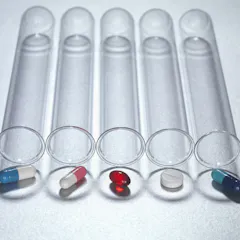
Drug development is a long and costly process that often ends in failure. Improving the way potential drug candidates are optimized could help boost success rates.

We’ve made a few mistakes in the past two years, when it comes to developing COVID drugs. Some were obvious and could have easily been avoided.

Substances found in algae, squid and fish all have potential antiviral properties.
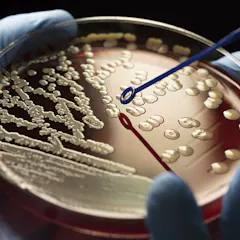
If no action is taken to address antibiotic resistance, infections from multidrug-resistant bacteria could cause 10 million deaths each year by 2050.
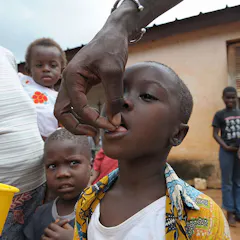
Ivermectin has been a lifesaving drug for people with parasitic infections like river blindness and strongyloidiasis. But taking it for COVID-19 may result in the opposite effect.
Dave MacMillon and Ben List both developed simple catalysts that make precise chemical reactions much faster and more efficient.
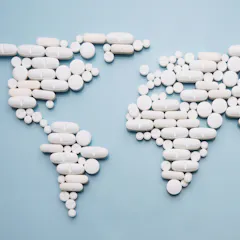
The path to using old drugs for COVID is full of potholes. So why are we using the same old flawed methods when we actually know what works?
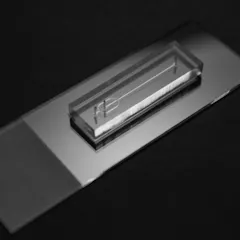
Artificial cells on tiny microfluidic chips can provide early insight into how new cancer drugs behave in cells, and why certain kinds of cancer are more resistant to chemotherapy treatment.
‘Orphan drugs’ with high price points are being tested as treatments for COVID-19. There’s a better way to spur low-cost innovation for new drugs.
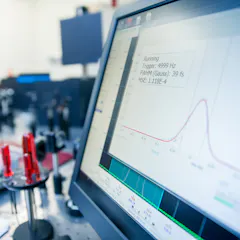
Whether you are predicting the outcome of an election or studying how effective a new drug is, there will always be some uncertainty. A margin of error is how statisticians measure that uncertainty.

The development of multiple vaccines against the virus that causes COVID-19 has been hailed as the breakthrough of 2020. But there were many more supporting discoveries that made this possible.
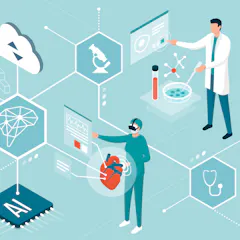
Understanding how cells grow under a variety of conditions is necessary for diagnosing disease and developing treatments in the future.

Will a vaccine for COVID-19 be safe? Animal testing, human clinical trials and post-approval surveillance give us good grounds to believe that a future approved vaccine will work and be safe.

Scientists have developed and tested a new anti-clotting drug in mice that shows promise for treating heart attacks and stroke. It may also prove useful for COVID-19.
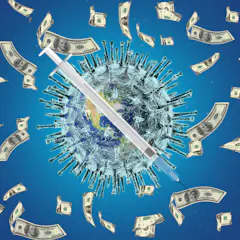
Word that the U.S. has bought up the entire supply of the COVID-19 drug remdesivir is another reminder that in a pandemic, treatments and vaccines need to be accessible to everyone, globally.
Top contributors
-

Prof. Institute for Molecular Bioscience, The University of Queensland
-
Associate Dean for Research, Charles Walgreen Jr. Professor of Pharmacy and Pharmaceutical Sciences, University of Michigan
-
Associate Professor of Biostatistics, Murdoch Children's Research Institute
-
Associate professor, Department of Family and Community Medicine, University of Toronto; York University, Canada; University of Sydney
-
Professor of Pharmaceutical Sciences, University of Colorado Anschutz
-
Associate Professor of Biological Sciences, Purdue University
-
Assistant Professor of Biochemistry and Molecular Genetics, University of Colorado Anschutz
-
Biostatistician, The University of Melbourne
-
Professor, UNSW
-
Professor of Neuroscience, Lancaster University
-
Senior Lecturer Biostatistics and Data Management, The University of Queensland
-
Director of Natural Product Discovery Core; Assistant Professor of Medicinal Chemistry, University of Michigan
-
Associate Professor of History, University of Wollongong
-
Dean of the College of Science, Professor of Biochemistry, Rochester Institute of Technology
-
Assistant Professor of Biomedical Sciences, UMass Chan Medical School