
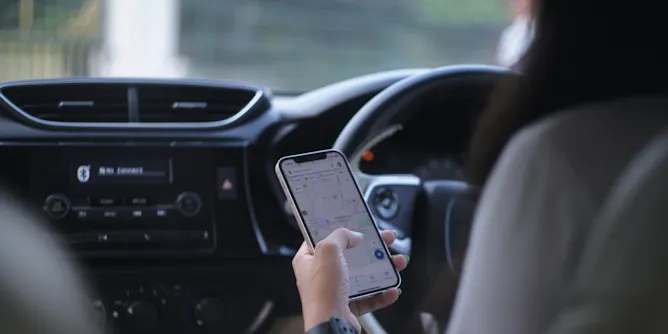
Listening to music, day dreaming or eating while driving? New research reveals just how distracting these behaviours are.
Articles on Driver safety
Displaying 1 - 20 of 22 articles
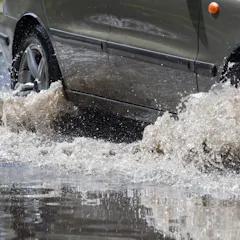
Understanding what to do when faced with flooding on the road is an important, yet often overlooked aspect of driver education, which could be the difference between life and death.
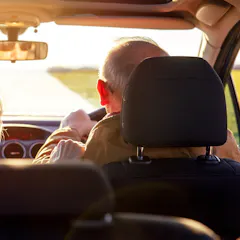
Deciding when someone no longer has the ability to drive safely can be difficult – and it’s not just a matter of age. But there are practical steps we can take to ensure older drivers are safe.
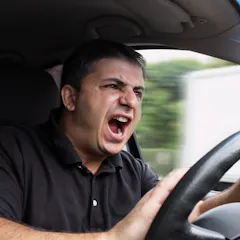
It’s the holidays and for many of us, that means driving. Here’s how to keep your cool on the road this summer.

Our findings suggest many people believe they are regularly exposed to pro-speeding content online or via friends, and this might increase their risk of speeding in the real world.
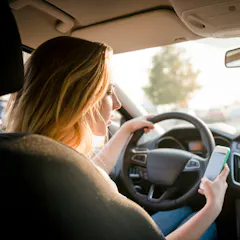
Our results suggest police location groups and pages on Facebook are helping drivers avoid detection for drug driving - with potentially fatal consequences.

Many drivers still use mobile phones despite the fact that it’s illegal.
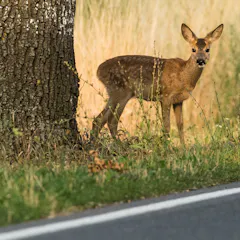
Dusk is a dangerous time of day for hitting wildlife on the road, and the one-hour time change means more drivers are out while deer are at their most active and visibility is dropping.
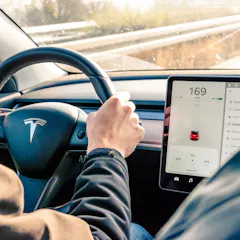
Tesla crashes and the investigations that follow generate a lot of headlines, but the dangers of automotive automation are industrywide. The common denominator is the human behind the wheel.

Australia appears to have cracked the case on teen driver safety by restricting late-night passengers.
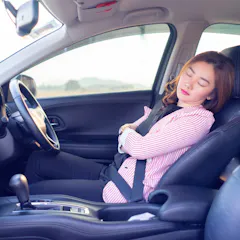
Humans are poor at remaining vigilant over time. That’s bad news for the safety of partially automated cars, which sometimes need the person behind the wheel to quickly take over control.
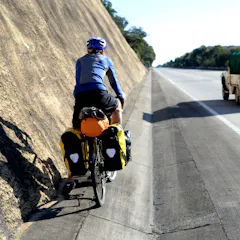
To celebrate the 200th anniversary of the bicycle, we look at new research that confirms cars cause the majority of bike collisions. It’s time to follow much of Europe and shift liability to drivers.
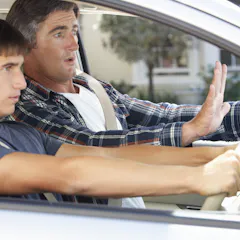
New research reveals there is no evidence to suggest a higher driver licensing age in Victoria has caused higher unemployment rates for 17-year-olds.

In contrast to increases in vehicle safety over the decades, we have seen little new technology to ensure the safety of pedestrians – and current innovations are still based on a car-centric approach.
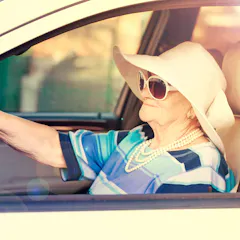
Society often assumes older drivers are bad drivers but that is not necessarily true.
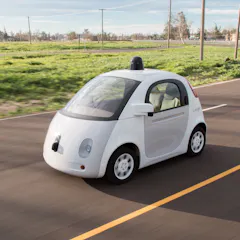
Self-driving cars are way more energy efficient than your average vehicle – but that doesn’t necessarily mean they’ll reduce carbon emissions.
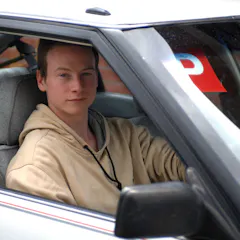
It is widely believed that youth recklessness is often the cause of young driver crashes, but is this simply a myth?

The focus is on reducing the “fatal five” behaviours that cause road trauma: speeding, drink and drug driving, not wearing seatbelts, fatigue and driving while distracted.
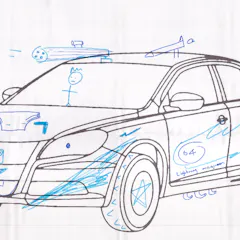
Teenagers are more interested in gadgets and flashy desig in their first car than they are about safety features. So how do we make them think safety is important?
Driverless cars could soon be cruising Australian roads if South Australia gives the go-ahead to reforms to its road legislation. The technology promises to increase safety on our roads, but what happens…
Top contributors
-

Associate Professor in Transport, Monash University
-
Senior Research Fellow in Road Safety Research, University of the Sunshine Coast
-
Research Professor, University of the Sunshine Coast
-
Professor and Director of the Western Australian Centre for Road Safety Research, The University of Western Australia
-
Research Fellow, University of Sydney
-
Senior Lecturer in Psychology, Director of Undergraduate Studies in Psychology, Macquarie University
-
Associate Professor, Centre for Innovative Ageing, Swansea University
-
Associate Professor, University of Leeds
-
Adjunct Fellow in Psychological Sciences, Macquarie University, Macquarie University
-
Research Fellow, University of the Sunshine Coast
-
Senior Research Fellow, Road Safety and Injury Prevention, UNSW
-
PhD researcher, Centre for Emotional Health, Macquarie University
-
Professor in Interaction Design and Director of Innovation, University of Sydney
-
Professor of Human Factors, University of the Sunshine Coast
-
PhD Candidate + Casual Academic (USyd); Senior Behavioural Scientist (ARRB Group), University of Sydney