

Research in psychology and cognitive science suggests there are ways to fight back against this and reclaim your attention.
Articles on Doomscrolling
Displaying all articles

Reading comprehension scores are tanking, and fewer Americans are picking up books. But practicing deep reading can help you process content more carefully and keep you from falling for misinformation.

The author of the new book ‘Attention and Alienation’ wonders if the online world can ever become a place where kindness and human flourishing are the prevailing ethos.
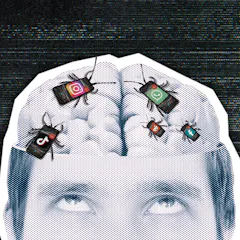
Many of us are hostage to our phones – and it’s not unlike having head lice.

One click leads to another and, before you know it, you’re tumbling down a rabbit hole of bad news. Here are some practical tips to claw your way back out.

Many people have successfully replaced their ‘doomscrolling’ habit with a hobby.

Using social media lights up the same parts of your brain as other addictions, such as drugs, alcohol and gambling.

It’s not uncommon to feel anxiety, distress and unease about the future.

The numbers suggest that many people have not given up on TV news, but rather have gone online in addition to watching television.

Platforms are doing everything in their power to keep us hooked to their dopamine-generating features. How can we keep control of our digital time? Teenagers have their own strategies.

New research shows how fear of missing out and an inability to regulate our own emotions is linked to using the internet in concerning ways.

Research shows doomscrolling can be harmful. These experts have found evidence-based tips that can help you help yourself.

Dissociation can be a healthy part of cognitive functioning, provided it doesn’t get in the way of your goals.

Doomscrolling through the news needn’t be negative – if it’s done right.

You don’t have to switch off the news entirely in order to support your mental health.
Top contributors
-

Associate Professor, School of Media and Communication, RMIT University
-
Senior Lecturer in Psychology, Charles Darwin University
-
Professor of Coaching and Positive Psychology, RCSI University of Medicine and Health Sciences
-
Associate Professor of Psychology and Inclusion, University of Bristol
-
Associate Professor of Psychology, Quinnipiac University
-
Director of the Harte Center for Teaching and Learning, Washington and Lee University
-
PhD Student in Computer Science & Engineering, University of Washington
-
Research Fellow in Digital Childhoods, Deakin University
-
Professeure des Universités en Sciences de l’Information et de la Communication, Université de Lorraine
-
Professor, Cardiff School of Journalism, Media and Culture, Cardiff University
-
Associate Professor in Psychology in Education, Department of Education, University of York
-
Senior Lecturer in Neurosciences and Neurorehabilitation, Course Leader in the College of Health and Life Sciences, London South Bank University
-
Lecturer in Psychology, Centre for Innovation in Mental Health, University of Southampton
-
Lecturer in Digital Communications, Flinders University
-
Director of the Centre for Philosophy of the Sciences and Associate Professor of Philosophy, Australian National University