
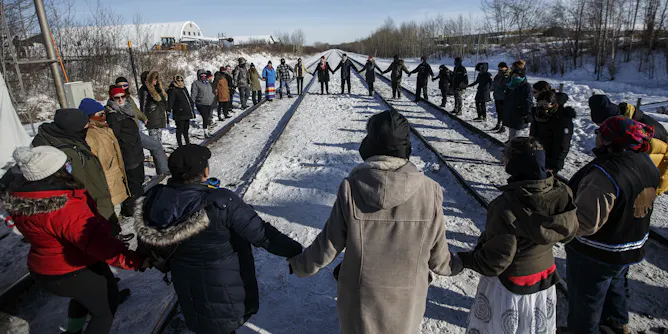
In this episode of our podcast, we take a look at Indigenous land rights and the people on the frontlines of these battles.
Articles on Don't Call Me Resilient
Displaying 101 - 120 of 122 articles

A web of local environmental action campaigns launched against oilsands pipelines a decade ago helped bring an end to Keystone XL.
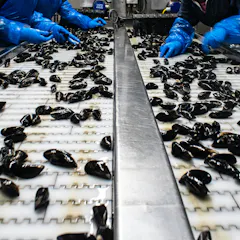
Debates about public safety and temporary foreign workers continue without input from those whose health is most affected. Migrant workers themselves are largely invisible amid discussions about risk.
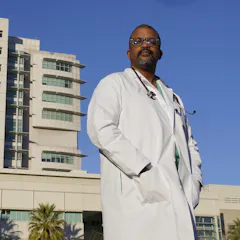
Transcript of Don’t Call Me Resilient, Episode 5: Black health matters
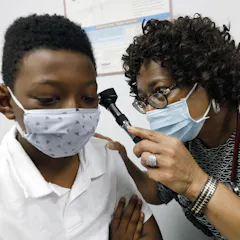
When COVID-19 first appeared, some called it the great equalizer. But the facts quickly revealed a grim reality: COVID-19 disproportionately impacts racialized communities.

While many institutions pledged their support for anti-racism work this summer, a health researcher says these ideas need to go further to address the long-term health impacts of internalized racism.
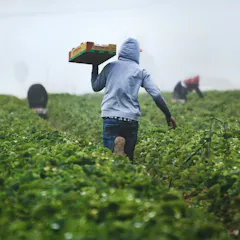
For much of its history Canada has encouraged people to come and work in this country. However, racialized migrant workers often face an immigration system designed to leave them powerless.

The COVID-19 pandemic has brought further suffering to migrant workers in Canada already experiencing the abuses of discriminatory immigration policies and poor working conditions.
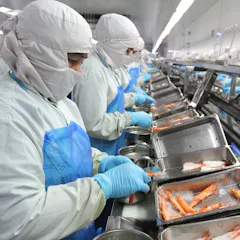
Many have looked to Asia for lessons on successful pandemic management. However, recent COVID-19 outbreaks in Thailand and nearby countries also offer warnings about what not to do.
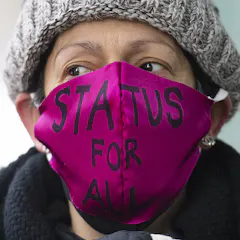
How we treat migrant workers who put food on our tables: Don’t Call Me Resilient EP 4 transcript
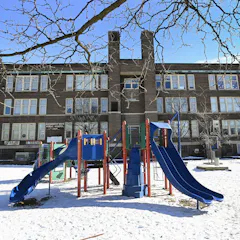
COVID-19 has exposed how systemic racism affects the lives of many racialized students in Canada. But what are some possible solutions?
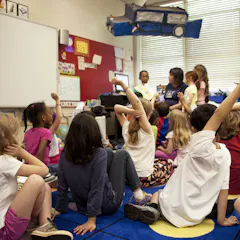
Transcript of Don’t Call Me Resilient, Episode 3.
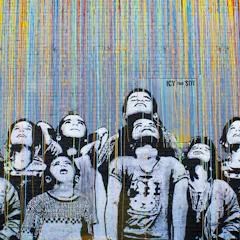
Carl James and Kulsoom Anwer discuss the injustices and inequalities in the Canadian education system.

Although school boards have yet to find a systemic way to combat anti-Black racism, educators are in a unique position to correct these injustices.
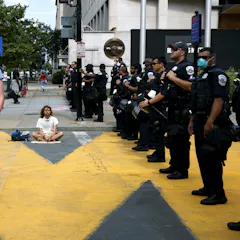
This is the full transcript for Don’t Call Me Resilient, EP 2: How to deal with the pain of racism — and become a better advocate.
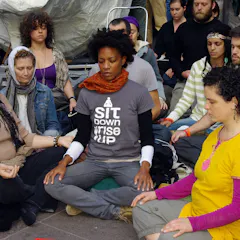
The writer and zen priest Reverend angel Kyodo williams speaks about the pain of racism, how she uses meditation to combat it — and become a stronger anti-racist activist in America today.
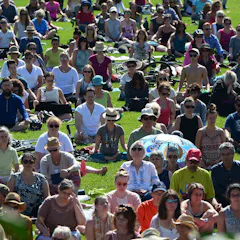
Mindfulness practices may help one examine long-held cultural assumptions, allowing one to better respond to current critical issues such as climate change and systemic racism.

An 1850 act permitted the creation of separate schools for Protestants, Catholics and for any five Black families. Some white people used the act to force Black students into separate institutions.
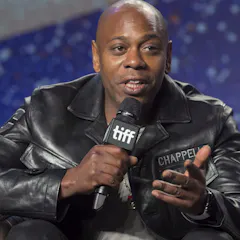
In this episode of Don’t Call Me Resilient, host Vinita Srivastava and scholar Cheryl Thompson dive into the meaning of the n-word and the 150 years of racism embedded in it.
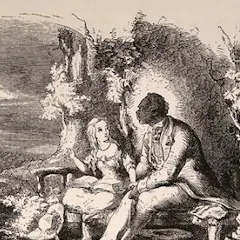
This is the full transcript for Don’t Call Me Resilient, episode 1: What’s in a word? How to confront 150 years of racial stereotypes and language.
Top contributors
-

Canada Research Chair, Professor in Performance, Toronto Metropolitan University
-
Associate professor, McGill University
-
Professor, Public and International Affairs, L’Université d’Ottawa/University of Ottawa
-
Assistant Professor, Faculty of Land and Food Systems, University of British Columbia
-
Professor, Technoscience studies + History, University of Toronto
-
Professor of Geography and Environmental Science, Memorial University of Newfoundland
-
Associate Dean (Arts and Humanities), Bucknell University
-
Adjunct assistant professor, Werklund School of Education, University of Calgary
-
Policy Lead on Technology, Cybersecurity and Democracy, Leadership Lab, Toronto Metropolitan University
-
Founder of Msit No’kmaq
-
President, Food Secure Canada
-
Professor, Jean Augustine Chair in Education, Community & Diaspora, York University, Canada
-
Associate Professor, Faculty of Education, Wilfrid Laurier University
-
Professor of Colonial History, University of Victoria
-
Assistant Professor of History, Thompson Rivers University