
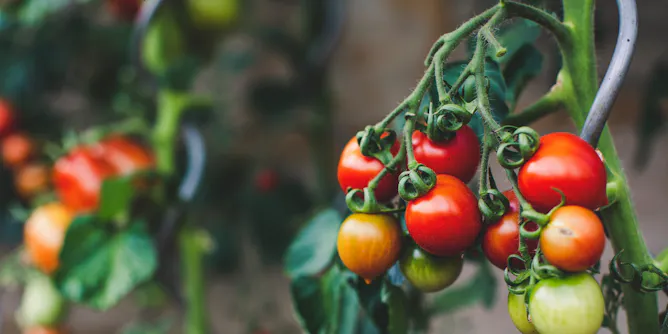
The COVID-19 pandemic has highlighted the problem of food insecurity for many people, especially racialized and Indigenous households.
Articles on Don't Call Me Resilient
Displaying 81 - 100 of 122 articles
With the high cost of infant formula, food-insecure mothers who cannot breastfeed are struggling to feed their babies.
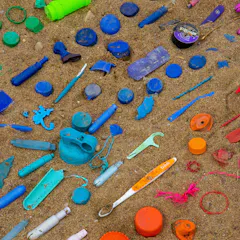
In this episode, two Indigenous scientists running collaborative labs to address our climate crisis offer some ideas for environmental justice, including a redefinition of pollution.
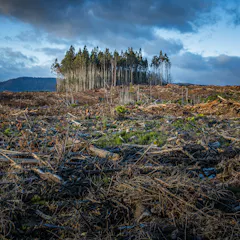
Colonialism is manifested by the way pollution impacts the lives of Indigenous peoples in Canada. Two Indigenous environmental scientists discuss how they’ve overcome obstacles in their research.
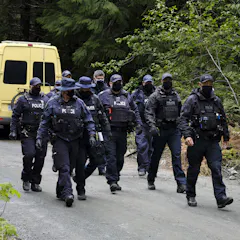
In recent years, Indigenous land defenders have lived under increasing police and state surveillance while far-right, conspiratorial movements have not.

Mass data collection and surveillance have become ubiquitous. For marginalized communities, the stakes of having their privacy violated are high.
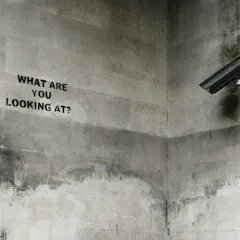
Once analysts gain access to our private data, they can use that information to influence and alter our behaviour and choices. If you’re marginalized in some way, the consequences are worse.

In any given year, one in five people in Canada will personally experience a mental health problem or illness. Despite this number there’s still massive stigmatization.

Canada needs to overhaul its approach to addressing online harms if it wants to remain a human rights leader and champion of internet freedom.
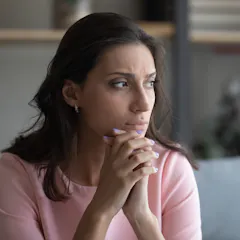
Recently, Statistics Canada revealed that South Asians have reported lower levels of mental health than any other Canadians during the pandemic: a neuropsychology student explains some of the reasons.
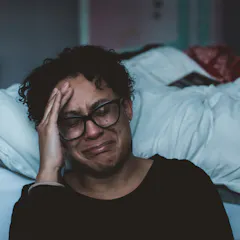
Recently, Statistics Canada revealed that South Asians reported lower levels of mental health than any other Canadians during the pandemic.
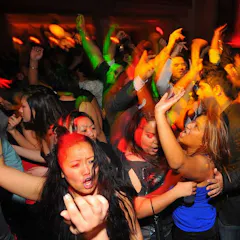
The pressure of needing to be a model minority — successful, quiet, hardworking — can force people to internalize their mental anguish and ends up leaving gaps in our mental health services.
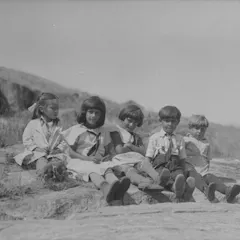
Transcript for Don’t Call Me Resilient Podcast EP 8: Stolen identities: What does it mean to be Indigenous?
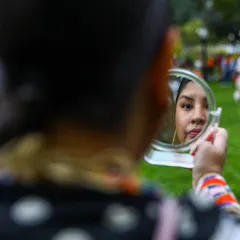
In recent years, some prominent people have been called out for falsely claiming Indigenous identity. Why would someone falsely claim an identity? And what does it mean to be Indigenous?
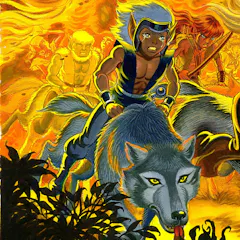
This is the full transcript for Don’t Call Me Resilient, episode 7: How stories about alternate worlds can help us imagine a better future.
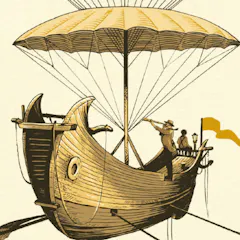
Stories about alternative worlds can be a powerful way of critiquing the problems of our own world.
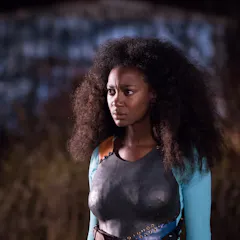
Afrofuturist’s work is rooted in the desire to transform the present for Black people. To do so, they imagine a reality in which Black people are the agents of their own story, countering histories that discount and dismiss them.
We’re launching the second season of Don’t Call Me Resilient, our podcast that takes on systemic racism and the ways it permeates our everyday lives.
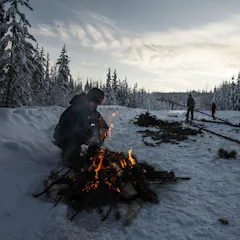
Indigenous land defenders: Don’t Call Me Resilient EP 6 transcript.

Part of an Indigenous ancestral trail was cleared by a logging company last summer, despite it being a protected cultural site under Alberta law.
Top contributors
-

Canada Research Chair, Professor in Performance, Toronto Metropolitan University
-
Associate professor, McGill University
-
Professor, Public and International Affairs, L’Université d’Ottawa/University of Ottawa
-
Assistant Professor, Faculty of Land and Food Systems, University of British Columbia
-
Professor, Technoscience studies + History, University of Toronto
-
Professor of Geography and Environmental Science, Memorial University of Newfoundland
-
Associate Dean (Arts and Humanities), Bucknell University
-
Adjunct assistant professor, Werklund School of Education, University of Calgary
-
Policy Lead on Technology, Cybersecurity and Democracy, Leadership Lab, Toronto Metropolitan University
-
Founder of Msit No’kmaq
-
President, Food Secure Canada
-
Professor, Jean Augustine Chair in Education, Community & Diaspora, York University, Canada
-
Associate Professor, Faculty of Education, Wilfrid Laurier University
-
Professor of Colonial History, University of Victoria
-
Assistant Professor of History, Thompson Rivers University