
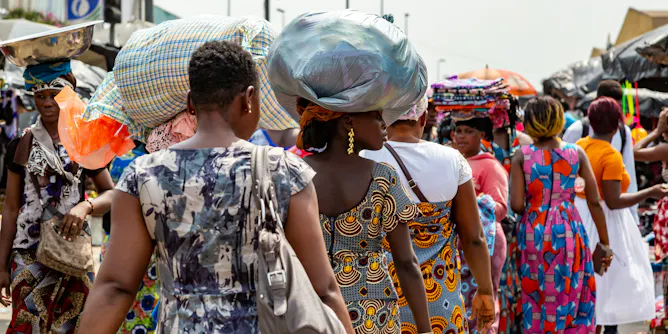
The power dynamics of labour migration to the Middle East are complex.
Articles on Domestic work
Displaying 1 - 20 of 22 articles

The films discussed by the women I interviewed served as commentaries on the social costs of poverty on the family. This is a popular Nollywood theme.

Recent immigration measures highlight deep inequalities in who gets recognized. An inclusive regularization strategy must go beyond sector-specific fixes.
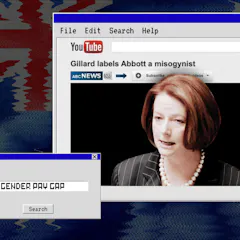
In the first 25 years of the century, Australia elected its first female prime minister and introduced paid parental leave, but how much have things really improved for women?
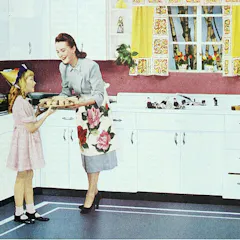
Traditional ideals of gender roles hark back to a time of extreme American nationalist sentiment in the face of a significant international threat.

If more Canadian fathers are to harness the benefits of parental leave and remote work, we need to design employment and care policies in ways that recognize every family’s unique needs.
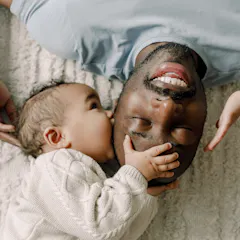
The latest State of the World’s Fathers report found a shift in attitudes. In 15 countries, between 70% and 90% of men agreed with the statement, “I feel as responsible for care work as my partner.”

Paid domestic work has a low status in South Africa. The labour of domestic workers is often undervalued and unrecognised.

Robotics and AI look set to transform how we carry out domestic work, including caring for other people.
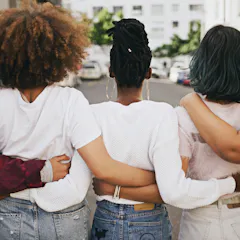
Women’s Day is used to draw attention to the issues women still face in South Africa.

At the beginning of the pandemic, it was predicted that the shift to remote work would lead to more equal division of domestic labour. Recent research shows this was not the case.

Maybe you can’t have a designer kitchen. But you can still beautify your bulk food storage.
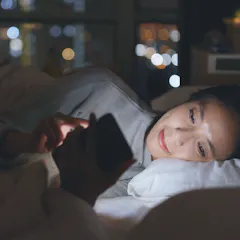
Australia’s first major time-use survey since 2006 shows unpaid domestic and caring responsibilities are still principally done by women.
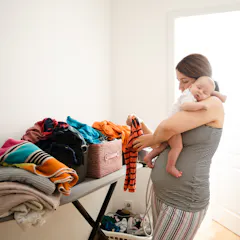
We must redress the challenges of unpaid domestic work and the mental load on women’s physical, mental and economic health and well-being.
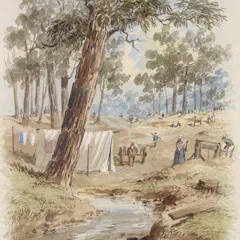
Mould, dodging mine shafts, sleeping in beds of dried leaves: Mary Anne Allen’s diary offers a fascinating glimpse of family life on the goldfields in 1852.
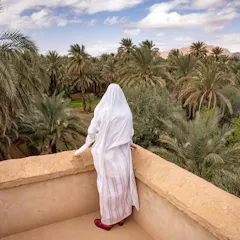
In Morocco, the COVID-19 pandemic has burdened women with more housework and duties at home, and violence against them has risen.
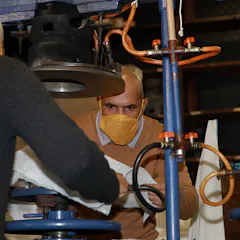
Compliance with occupational health and safety requirements is already poor and few inspections of workplaces are being done.

Domestic workers in Argentina are essentially women employed in the informal economy which can enable forms of mistreatment. Today they’re fighting to formalise their status.

Patient safety grabbed the attention when plans were mooted to move post-op people out of hospital and into private homes. But the project also moves important work into the shadows.
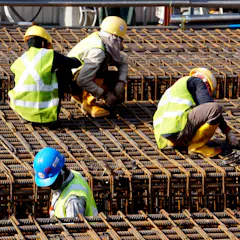
Migrants keep going back to the vilified go-betweens that can get them construction jobs or domestic work.
Top contributors
-

Lecturer in International Development, King's College London
-
Professor of Migration and Development, University of Sussex
-
Professor, Emerging Technologies Research Lab, Monash University, Monash University
-
Historian and Heritage Consultant, La Trobe University
-
PhD Candidate, Human Resource Management, York University, Canada
-
Professor and Canada Research Chair in Gender, Work, and Care, Brock University
-
Associate Professor of Marketing, Loyola University Chicago
-
Associate Director and Researcher at the Developmental Pathways for Health Research Unit (DPHRU), University of the Witwatersrand
-
Associate Professor in AI and Society, Oxford Internet Institute and Institute for Ethcis in AI, University of Oxford
-
Research fellow, Stellenbosch University
-
Sociologist and Assistant Professor at the Stratford School of Interaction Design and Business, University of Waterloo
-
Professor of Sociology and Founding Director of The Future of Work Lab, Podcast at MissPerceived, The University of Melbourne
-
Sociologist, Universidad Nacional de General Sarmiento
-
Lecturer, Department of Education and Research Associate, Oxford Internet Institute, University of Oxford
-
Reader in Sociology, City St George's, University of London