

Preoperative anxiety is a problem for patients and linked to worse surgical outcomes. The Canadian system needs innovative solutions to address this.
Articles on Doctors
Displaying 21 - 40 of 225 articles

The nocebo effect is the opposite of the placebo effect. And it can affect what we think of medicines, and the side-effects we report.

Despite a shortage of physicians, Canada still struggles with the question of whether a doctor licensed in one province should be automatically qualified to practice in others.

Some communities have too few GPs to ensure everyone can get the care they need, when they need it. Whoever wins the federal election should commit to fixing this.

As the world continues to witness wars and climate-related disasters impacting the lives and well-being of more people, the voices of doctors become increasingly vital.

A newly created Primary Care Action Team has a lofty goal: to ensure all Ontarians have access to primary health care within five years. Here are five principals to consider to help achieve it.

Many doctors become reluctant to ask questions or seek help when uncertain. This is exactly the opposite of what most patients want in a doctor making crucial decisions about their care.
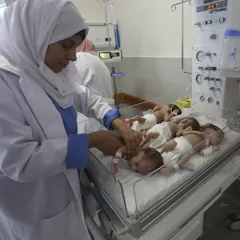
Health-care workers have a direct impact in areas of conflict due to their ability to provide care — and bear direct witness to atrocities. In Gaza, Canada and beyond, they must be heeded.

While they’re in high demand, more and more foreign doctors are starting to see America’s immigration process as too risky an endeavor.

AI tools could help clinicians create our health records. But there’s lots than can go wrong.

Mobility restrictions imposed on internationally trained physicians in Canada could be aggravating the health-care crisis intensifying an ongoing doctor shortage.

Under new proposals, doctors over 70 may need to be declared fit to practice or have regular health checks. But not everyone’s happy.

Some professions offer rehabilitation for workers guilty of misconduct. But the rules in New Zealand are inconsistent and a better model could save careers and public investment in expensive training.

In the majority of cases, medications help patients. But even when treatment of individual illnesses is effective, treatment as a whole can become problematic.

Australia is recruiting more overseas-trained doctors to fill doctor shortages. But when a high-income country like Australia does this, we risk causing a ‘brain drain’ elsewhere.
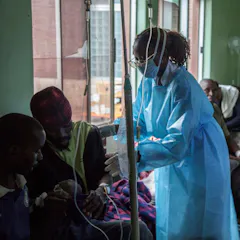
Medical volunteering can damage important relationships between health professionals and patients.

We suspect these drug company payments are just the tip of the iceberg.

Doctors use social media for reasons ranging from the strictly professional to the highly personal: They connect with colleagues, raise awareness of social issues and educate the public on health topics.

Overworking junior doctors has been normalised for decades. And we all suffer.

We now have a sensible pathway to improve access to health care, using the skills of nurses, pharmacists and GPs appropriately.
Top contributors
-

Professor, Department of Health Policy, London School of Economics and Political Science
-
Associate professor, Department of Family and Community Medicine, University of Toronto; York University, Canada; University of Sydney
-
Associate Professor, Family Medicine, Queen's University, Ontario
-
Research Fellow, Centre for Health Economics, University of York
-
Honorary Enterprise Professor, School of Population and Global Health, and Department of General Practice and Primary Care, The University of Melbourne
-
Professor in Pharmaceutical Policy, School of Pharmacy and Charles Perkins Centre, University of Sydney
-
Professor of Nursing, University of Hull
-
Senior Research and Teaching Fellow, School of Health, Te Herenga Waka — Victoria University of Wellington
-
Professor of Health Law and Bioethics, Case Western Reserve University
-
Professor of Organisational Ethnography, Cambridge Judge Business School
-
Brett Montgomery is a Friend of The Conversation.
Senior Lecturer in General Practice, The University of Western Australia
-
Professor and Executive Dean of School, Medical and Health Sciences, Edith Cowan University
-
Clinical Associate Professor, Faculty of Medicine, University of British Columbia
-
Honorary Senior Fellow in Health Service Research, University of Birmingham
-
Professor of Health Economics and Director, Centre for Health Economics, Monash Business School, Monash University