

The current US health care system burdens doctors with heavy patient loads, more administrative work and additional off-hour demands. Doctor-patient interactions suffer as a result.
Articles on Doctor burnout
Displaying 1 - 20 of 21 articles

Many doctors become reluctant to ask questions or seek help when uncertain. This is exactly the opposite of what most patients want in a doctor making crucial decisions about their care.
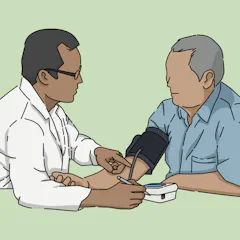
The new NHS workforce plan for England promises a 50% increase in GP training places by 2031. But the challenges GPs are wrestling with go much deeper.
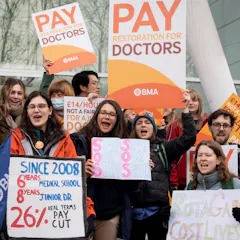
Junior doctors face immense pressure at work – and a growing number are choosing to leave the NHS as a result of these poor working conditions.
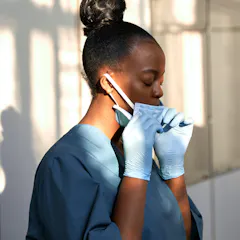
Burnout and ‘compassion fatigue’ can compromise patient safety and signal health worker exhaustion. And they are a ticking time bomb for health care.

A strong primary care system keeps patients away from emergency departments and helps patients self-manage illnesses. But Ontario’s plan to ease pressure on emergency rooms ignores family medicine.

Physician burnout is a severe problem in the medical field, made much worse by the COVID-19 pandemic. But an online coaching program that could be scaled up had dramatic results for participants.
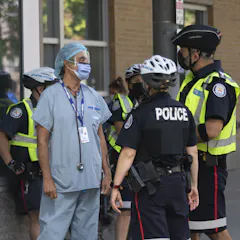
Although demanding, disruptive and violent patients are a major contributor to physician burnout, solutions to address this increasing problem are not a priority.

The health care system is hemorrhaging medical lab workers, in part because of COVID-19 infections and also because of burnout, low wages and better opportunities elsewhere.

The quality of grit – passion and sustained persistence – is a useful predictor of burnout and exhaustion for doctors and maybe the rest of us too.
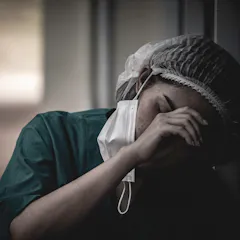
Nurses and healthcare workers will need more support in the longer term to deal with the considerable effect COVID-19 has had on mental health and wellbeing.

Burnout can affect the type of care the patients receive.

A recent study looked at how female doctors were introduced at a lecture series compared to how male doctors were introduced. The title ‘Dr.’ was used much more often for men.

Doctor depression, burnout and suicide have been rising for some time, and overwork was considered the norm. A health care lawyer explains why the legal and regulatory systems must intervene.

A ‘learn local’ strategy, along with increased residency positions and the return of a rotating internship could go a long way towards improving Canada’s system of medical training.

Medical school efforts to cultivate good wellness practices and adaptive coping skills in medical students may offer an effective long-term solution to physician burnout.

The knowledge and experience of doctors offer much-needed lessons for our rancorous society.

Medical social workers coordinate care, an especially important job in complicated cases. Just as nurses and doctors are feeling burned out, these unsung heroes are feeling the burn, too. Here’s why that’s dangerous.
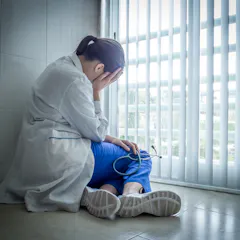
Medicine leads the professions in suicides. Fixing the physician suicide problem requires a re-examination of medicine’s “right stuff.”

The opening session of a meeting of neurologists focused on a problem plaguing doctors: burnout. Doctors are growing increasingly stressed, and it’s affecting patients, too.
Top contributors
-

Chancellor's Professor of Medicine, Liberal Arts, and Philanthropy, Indiana University
-
Associate Professor, Family Medicine, Queen's University, Ontario
-
Lecturer in Organisational Behaviour in Healthcare, University of Leicester
-
Lecturer in the Department of Population Health Sciences, University of Leicester
-
Associate Professor of Internal Medicine, University of Colorado Anschutz
-
Professor in Primary Care, Brighton and Sussex Medical School
-
Professor, School of Nursing and Midwifery, Southern Cross University
-
Professor, School of Health and Social Care, Edinburgh Napier University
-
Lead Lecturer Practitioner, Nursing, Faculty of Health., Southern Cross University
-
Director of Translational Institute of Medicine (TIME), Queen's University, Ontario
-
Professor of Health Law and Bioethics, Case Western Reserve University
-
Regents' Professor & Chair, Medical Laboratory Science, Texas State University
-
Assistant Clinical Professor of Radiology and Imaging Sciences, Indiana University
-
Clinical Lecturer, Division of Population Health, Health Services Research & Primary Care, University of Manchester
-
Vice Provost and Professor of Sociolinguistics, Arizona State University