
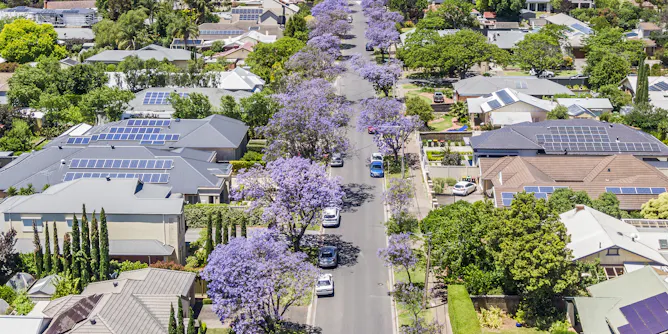
It doesn’t sound big. But this humble new set of rules will make it possible for many Australian households to export a lot more solar – and help the power grid .
Articles on Distributed energy
Displaying all articles
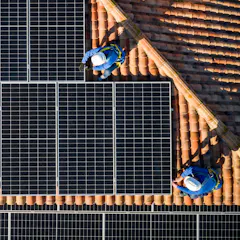
Just 14 of Auckland’s largest building rooftops add up to the same area as the biggest solar farm – but they could generate electricity where it’s most used to keep the lights on during disasters.
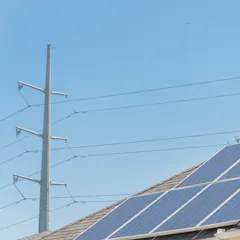
Big changes are needed to create a consumer-centric National Electricity Market that’s able to manage the rise of rooftop solar.

Fixed limits are set for household energy exports because of the uncertain impacts of so many variable generation sources on the network. New energy data and simulation systems may offer an answer.

Apartment-dwellers risk being left behind in the rooftop solar boom. But some projects are showing how apartments can join the transition to a distributed renewable energy future.
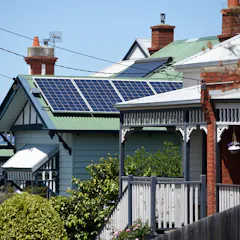
A new report predicts a boom in household solar and batteries as Australia’s electricity networks move to a more sustainable footing, with some states poised for a 500% boost in rooftop solar.
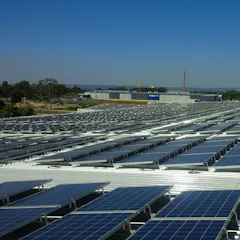
Despite its name, the National Electricity Market doesn’t reach WA. But those charged with guiding the eastern states’ energy transition should look west once in a while.
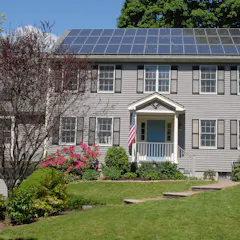
Utilities are pushing back against the spread of rooftop solar power and charging bigger fees to solar homes. Who is right in this solar-versus-utilities fight?
Many utilities see rooftop solar as a threat, but solar power can actually lower the cost of power they – and their consumers – need to pay during hours of high demand.
Cheap renewables and modern tech are a massive threat to traditional energy providers.
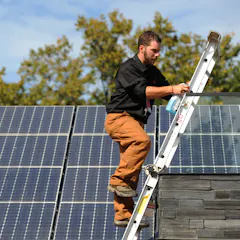
How a distributed energy network of home generators and local authorities might tackle the big utilities.
Top contributors
-

Research Fellow in Energy Economics and Policy, University of Leeds
-
Associate Professor of Physics, Penn State
-
Senior Research Fellow in Climate Change and Energy Policy, University of Leeds
-
Chief economist, CSIRO energy, CSIRO
-
Senior Research Fellow, Collaboration on Energy and Environmental Markets, UNSW
-
Professor of Energy and Environmental Economics and International Affairs, Penn State
-
Professor of Sustainability, Curtin University
-
Professor and Director, Centre for Energy Data Innovation, The University of Queensland
-
Professor of Strategic Design, Queensland University of Technology
-
PhD Graduate, Centre for Clean Energy Technologies and Practices, Queensland University of Technology
-
Research Fellow, School of Information Technology and Electrical Engineering, The University of Queensland
-
Lecturer in Built Environments Engineering, Auckland University of Technology
-
Lecturer in Architecture and Emerging Technologies, Auckland University of Technology
-
Lecturer in Sustainable Architecture, Auckland University of Technology
-
Senior Lecturer in Architecture, Auckland University of Technology